Using Keywords For SEO


Published on January 16, 2016
Published on Wealthy Affiliate — a platform for building real online businesses with modern training and AI.
Last week a WA member asked my advice on how they should evaluate a keyword they were using on their website. Also as they wanted to write two posts on a similar subject would it be ok to use both keywords in the title and therefore in the site’s URLs.
Over the past year or so as a member of WA and being asked questions on the various aspects of SEO I’ve come to the conclusion that not a lot of members actually know how to and what they must do to optimize their sites content to its fullest potential. Most of the questions I get asked are very similar to the one above so although I have published several blogs on the subject, in this one I will more or less reiterate what I’ve said before but with pics.
Once again I will endeavour to give some clarity to Keywords and how they should be used in order to optimize your content with them.
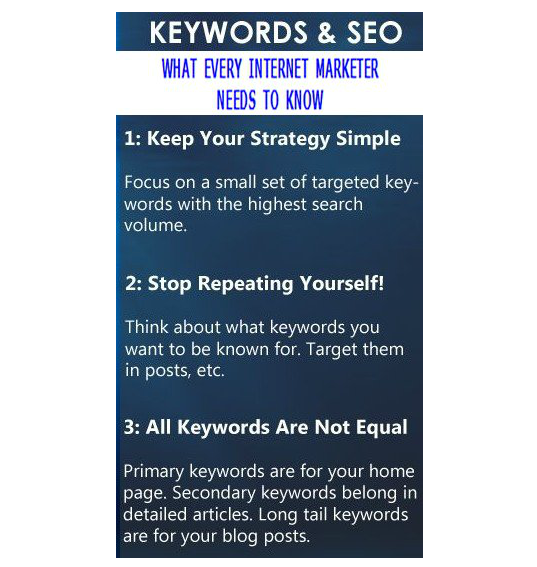
In SEO and the pursuit of getting a good chunk of any particular niche market, keywords do play a very important part of the process. Choosing your keywords will define the direction of your online marketing campaign. And the marketer that can efficiently target the right keywords searched by their target audience is the one that will survive in the internet marketplace.
But getting the best and most efficient keywords is not an easy task because there is a science in selecting the most appropriate keywords and I’m sorry to say after looking at hundreds of WA member’s sites that not all keywords and phrases have been best used and utilized in their owner’s marketing campaigns.
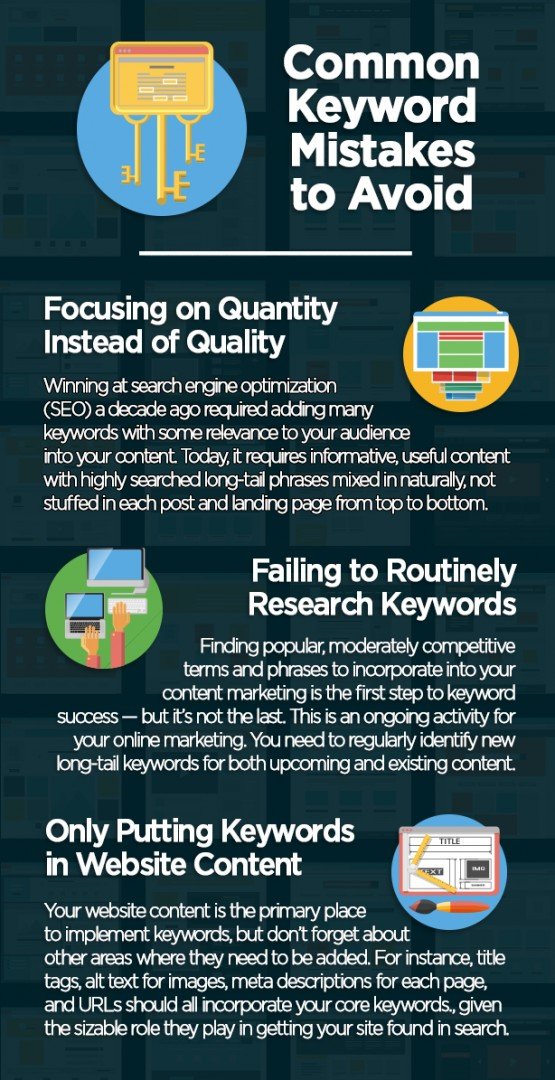
If you are at this stage of planning your site’s content, then you really should be aware of the best ways on how to evaluate the relevancy and the possible effect of the keywords you have on your short-list. To this end, listed below are some suggestions of mine on how to evaluate keywords, at least in the context of best seo practice.
Internal Assessment
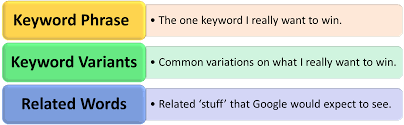
Are your short-listed keywords relevant to the actual content and focus of your niche market? Or will your site visitors find exactly what they are looking for in the website after they have clicked on whatever link they have? If you have said yes to these two basic questions, then you are on the right track and you have targeted the right keywords for your campaign.
Ready to put this into action?
Start your free journey today — no credit card required.
Check Keywords In Search Engines
If a check with the search engines reveals that there are associated Ads to the keywords that you have selected, then it means that a high value has been placed on the keywords in the marketing industry and online. Therefore…below some questions you should be asking yourself.

- Are you on the right track in identifying keywords that can deliver commissions or sales?
- Are you using your MAIN keyword(s) as part of your URL?
- Are you using your MAIN keyword(s) as part of your Title?
- Are you using your MAIN keyword(s) as part of your article/blog Header?
- Are you using your Secondary keyword(s) as part of your content sub-headers?
If you cannot answer yes to these questions then you have a problem.
One way to check to see if your article/blog is ok and is attracting traffic is that if you have the money you can buy a small campaign at Google. You can choose specific keywords for your campaign and link these keywords to the most relevant page in your website. Then you should monitor the kind of traffic that the specific page is getting. The data that you gather should be used and tabulated in order to come up with estimates as to how effective the keywords are.
For example; If for only one day the webpage received 1,000 impressions or clicks, and of that number 100 actually visited the site, and 1 internet user has given you a sale or commission of $10. Then this means that every visitor attracted to the keyword you used is valued at around $.01.
In order to compare the value of the keywords, test another keyword by using the actual process and theoretically compute for the amount per visitor. The one with the higher valuation is of course the better keyword for the campaign.
These are just basic and rough suggestions of mine on how to value the keywords you use, but I can assure you they are pretty near the mark.
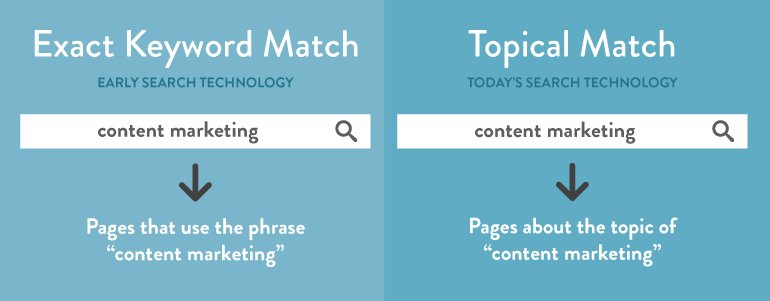
There are other advanced ways too, and these are often used by big businesses that put a lot of time and money into search engine optimization and keyword research. Most of the time, these advanced ways on how to test the value of keywords will come with online tools and software thus can be costly. But the results are helpful to the marketers willing to realize the value of their keywords.
Ok folks I hope this blog has given you an insight on how your keywords should be used. If not then I’m afraid you will have to do your own research and experiment, which isn’t a bad thing because what you learn through first hand experience will stand you in good stead later on.

I’m willing to wager that many of you who will read this blog will ask the same question as that other member did last week - how many keywords should I use for the title and therefore in the URL, Title and Article/Blog Header.
My personal preference is just the One unless I can come up with another one that I believe is equally as good, then I will use two.
Have an excellent day and leave a comment if you have any further tips and advice you can pass on to your fellow members.
Robert Allan
Share this insight
This conversation is happening inside the community.
Join free to continue it.The Internet Changed. Now It Is Time to Build Differently.
If this article resonated, the next step is learning how to apply it. Inside Wealthy Affiliate, we break this down into practical steps you can use to build a real online business.
No credit card. Instant access.