The New Big Bad: Artificial Intelligence


Published on April 11, 2023
Published on Wealthy Affiliate — a platform for building real online businesses with modern training and AI.


I have mentioned this before, I have been deeply invested in Artificial Intelligence for decades. I wrote my first program when I was 14, which created a basic but human-like chat conversation with a computer. I have always preferred computers to people. I have not pursued that professionally, but I have always had a computer - or five - in arms reach.
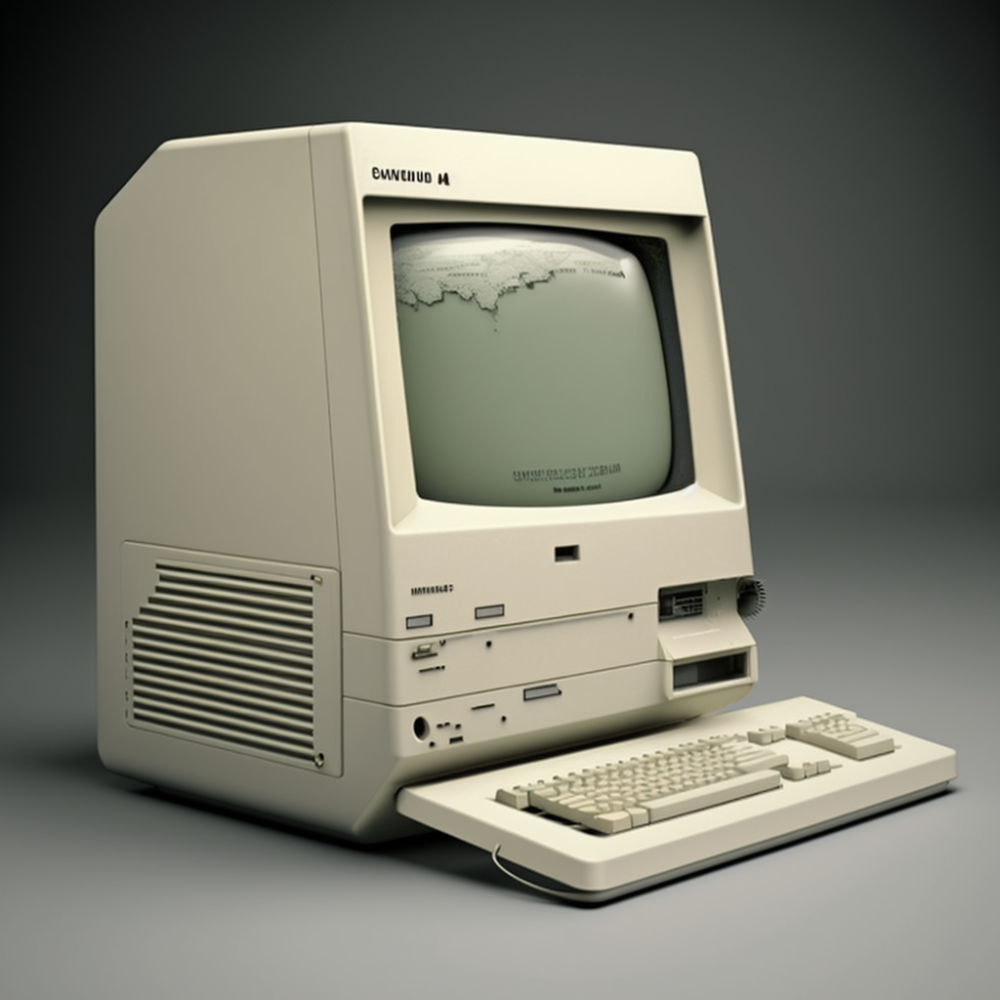
Since ChatGPT became a sensation - basically, AI stepped into the public spotlight - people in the mainstream media, here and elsewhere, voiced their fears about GPT (Generative Pre-Trained Transformer), coming up with examples of how it can be harmful to humans. The new big bad.
Humans always feared new things that they were not ready for. It's human nature. And an ugly one at that. Let's look back a bit whenever new something came to public knowledge about how humans reacted:
- Printing books was a new technology that was initially met with resistance and hostility. In the 15th century, when Johannes Gutenberg developed the printing press, many people in Europe saw it as a threat to traditional book production methods, which involved hand-copying manuscripts.
- The telephone was initially met with fear and scepticism, but today it is a ubiquitous part of modern life. Telephones have become integral to communication, business, and even entertainment.
- When electricity was first introduced in the late 19th century, many feared its potential dangers and refused to have it installed in their homes. However, electricity revolutionised how people lived and worked once it became more widely available.
- While cars were initially considered dangerous and unreliable, they eventually symbolised freedom and mobility. Today, cars are an essential part of daily life for many people worldwide.
- When commercial air travel became available in the mid-20th century, many feared flying and believed it unsafe. However, air travel is now one of the most popular and efficient modes of transportation.
- While it was initially met with fear and scepticism, the Internet has become a central part of modern life. The Internet has revolutionised how people communicate, conduct business, and access information.
- When personal computers were first introduced in the 1970s and 1980s, many people saw them as expensive toys for hobbyists and didn't see a need for them in their daily lives. However, as computers became more powerful and affordable, they became essential tools for work, education, and entertainment.
- When social media platforms like Facebook and Twitter emerged in the early 2000s, many people were sceptical about their value and worried about privacy concerns. However, social media has since become a significant part of how people communicate and connect with each other, both socially and professionally.
- When smartphones were first introduced in the late 2000s, some people saw them as unnecessary gadgets that were too expensive and complicated. However, smartphones have become a central part of daily life, providing access to communication, entertainment, and information.
- When streaming services like Netflix and Hulu first emerged, many people needed clarification about their value and wanted more about the quality of the content. However, as these services have expanded their libraries and produced original content, they have become a popular alternative to traditional cable television.
Those examples show that while new technologies may initially face scepticism or resistance, they eventually become integral parts of our daily lives and even change how we interact with the world.
Ready to put this into action?
Start your free journey today — no credit card required.
I am not saying that Artificial Intelligence cannot be used for bad things. Every and each of the examples above can be used for destructive purposes. Does that stop you from using any of them? No.
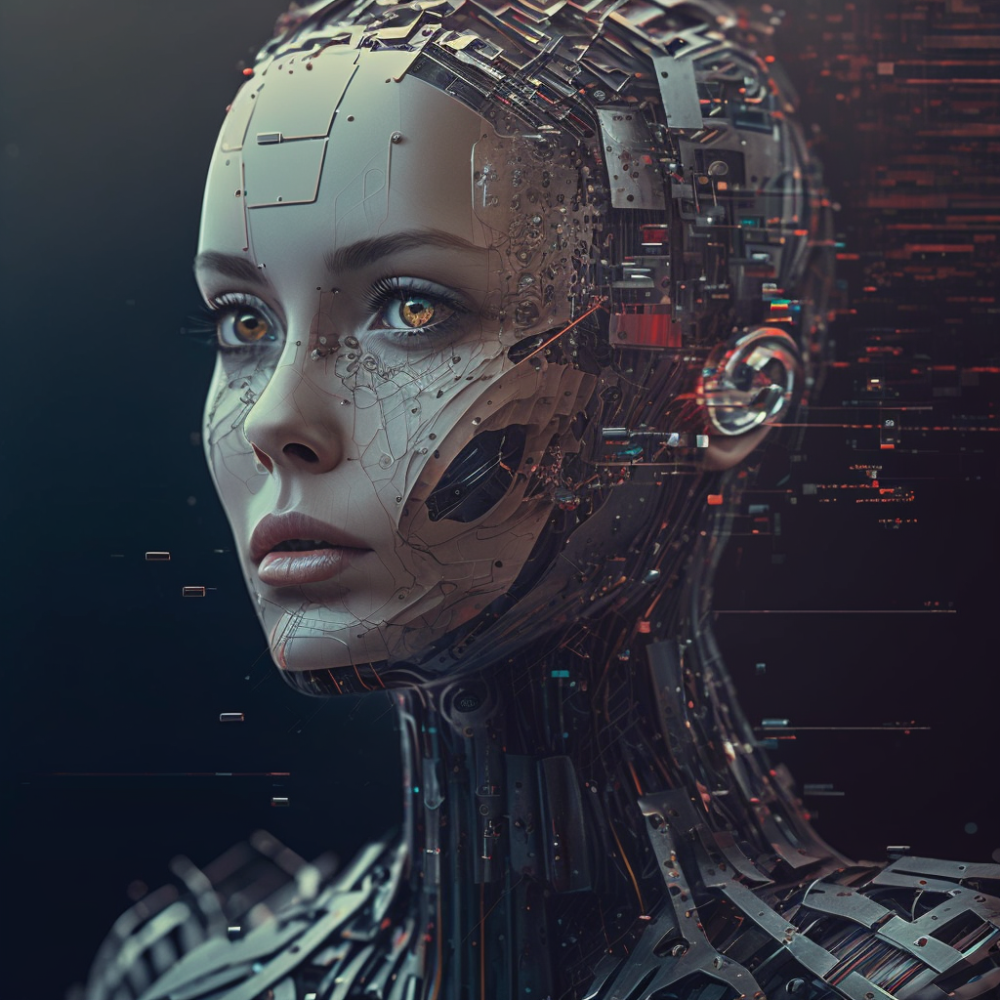
Humans had done bad things to each other way before Artificial Intelligence as a concept even existed.
Millions of people died during the Crusades.
During World War I, an estimated 13 million people(8.5 million soldiers and 6.5 million civilian men, women and children) died.
In World War II, 80 million military personnel and civilians were killed.
In Vietnam War, about 2 million people died.
AI didn't kill those people. People killed those people.
And yes, it may happen again, as AI is a tool. Who and how they use it makes and will make the difference if Artificial Intelligence really is or will be the big bad or the big good.
So, that.
Share this insight
This conversation is happening inside the community.
Join free to continue it.The Internet Changed. Now It Is Time to Build Differently.
If this article resonated, the next step is learning how to apply it. Inside Wealthy Affiliate, we break this down into practical steps you can use to build a real online business.
No credit card. Instant access.