How to Start a Profitable Food blog

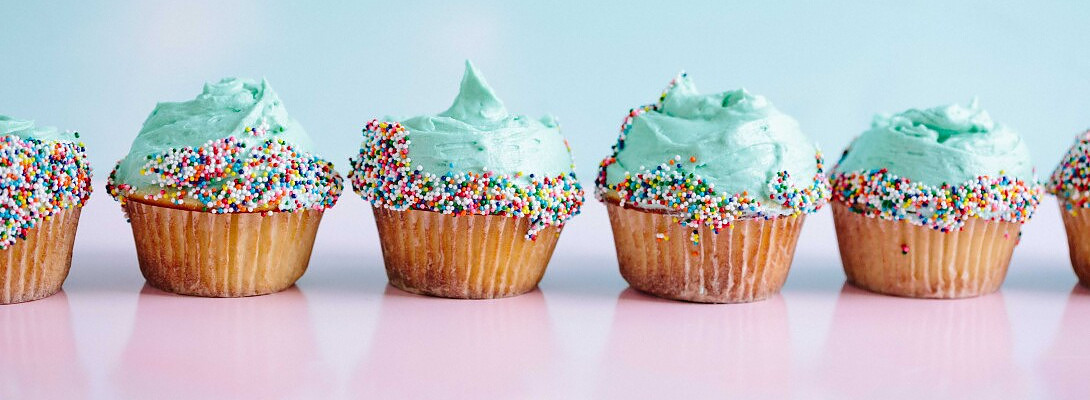


The food blogging phenomenon first emerged in the early 2000s. Until then, most personal blogs would only feature the occasional recipe or food-related post. But the idea of an entire blog just for recipes, restaurant reviews, food stories, and more was still brand new. Some pioneering food blogs popped up between 2001 and 2006, including Smitten Kitchen, Simply Recipes, and The Pioneer Woman. These early adopters helped establish the format for the food blogging genre by sharing homemade recipes and food photos on their sites. They brought an informal, conversational style to food writing that resonated with home cooks and propelled food blogging forward as an emerging medium in its own right.
Starting Your Food Blog
First, you need to choose a defined niche and target audience. Select a specific cuisine, dietary need, or angle that sets your blog apart. Research the niche to ensure there is demand but not too much competition.
Examples of targeted audiences
College cooking
Easy recipes for college students cooking on a budget, in dorms/apartments, with limited equipment.
Kitchen gadgets
Product reviews and recipes focused on instant pots, air fryers, slow cookers and other trendy kitchen gadgets.
Meal prep
Recipes and tips for prepping healthy meals in advance for the week. Useful for athletes, fitness buffs, busy professionals.
Clean eating
Focus on unprocessed, whole food recipes and tips for clean eating lifestyles.
Fruit and Vegetables For kids
Focus on how to add extra fruit and vegetables for kids.
Batch cooking/freezer meals
Specific recipes optimized for making in big batches and freezing portions for later. Helpful for busy families.
One pot/pan/skillet meals
Easy dinner recipes using just one cooking vessel to minimize cleanup.
Pressure cooker recipes
Takes advantage of popularity of Instant Pots and electric pressure cookers.
Camp cooking/backpacking
Outdoor recipes tailored for campsites and backpacking without standard kitchen tools.
Specific diet
Diets like paleo, Mediterranean, low FODMAP, etc. Gives followers of that diet new recipe ideas
The key is picking a niche with a clearly defined audience looking for specialized recipes and content around that topic. Staying laser focused helps attract the right readers.
Next, put effort into developing excellent recipes and high-quality food photography. These are the cornerstones of a successful food blog. Experiment in the kitchen to create original recipes. Invest in a good camera and lighting to make your food look delicious.
Camera Ideas
DSLR cameras
A digital SLR camera is a great choice for food photography. Popular models like the Canon EOS Rebel T7i, Nikon D3500, and Canon EOS 80D capture crisp images and allow you to use different lenses.
Mirrorless cameras
A mirrorless camera is a type of digital camera that does not use a reflex mirror or optical viewfinder like a traditional DSLR camera does. Instead, mirrorless cameras use an electronic viewfinder or the rear LCD screen for composing and previewing shots. They are a lighter and more compact option, mirrorless cameras like the Sony a6400, Fujifilm X-T30, and Canon EOS M50 provide DSLR-quality photos without the bulk.
Point and shoot cameras
While not as versatile, point and shoots like the Sony RX100 VII, Canon PowerShot G7 X Mark III, and Panasonic Lumix LX10 offer convenience and portability.
Smartphone cameras
For starting out, you can use a smartphone like the iPhone 11 Pro or Google Pixel 4. Add-on lenses and rigs improve capabilities.
Key features to look for In A Camera
Interchangeable lenses for flexibility
Articulating LCD for food styling from different angles
Macro capability for detail shots
RAW/uncompressed image format
Full manual controls over exposure and focus
My Number one Choice for Photographing Food
Use a digital SLR (DSLR) camera, because they have better sensors. They have features which make food blogging easier such as
Interchangeable lenses
DSLRs allow you to swap different lenses like macro, zoom, wide angle, etc. This flexibility lets you use the best lens for different food photography needs.
Large image sensors
DSLRs have bigger sensors than point-and-shoot and smartphone cameras, resulting in higher image quality, better low light performance, and shallower depth of field.
Manual controls
DSLRs provide full manual control over camera settings like aperture, shutter speed, ISO, and white balance. This level of creative control is critical. Incorrect white balance can result in unsightly blue, yellow, or orange color casts that detract from appetizing food photos. Correcting the white balance allows for more natural coloring in the food across a variety of light settings.
Accessories
Overhead Mounts
Copy stand
This is a stationary vertical camera stand with adjustable arms that allow you to position the camera directly overhead pointing down. Often used with DSLR cameras.
Overhead rig
This is a horizontal overhead camera mount that lets you suspend your camera above and get top-down food shots. Can accommodate DSLRs or smartphones.
Tabletop tripod mount
Mini tripods with flexible, articulating arms can be mounted on a table and bent to hang a camera over your food setup.
Smartphone rig
These holders clip onto a table and grip your smartphone's camera in place above the food. Low cost option to start you off
DIY setups - You can create an overhead mount by arranging clamps, arms, and other camera gear over a table. Or simply use a ladder above the food!
Creating your own DIY overhead camera rig for food photography is totally doable with some simple equipment. The basis is a lightweight tripod with an adjustable articulating arm attached to the top. This arm allows flexibility in positioning your camera overhead. Mount the camera securely to a ball head on the end of the arm so you can adjust and lock in the angle pointing straight down. For added height, the tripod can be placed on a table or other elevated surface. Use sandbags or clamps if needed to weigh down the tripod for stability. Alternatively, the articulating arm can be suspended from overhead mounting points like a shelf or ladder. With the ability to carefully position your camera directly above the food and control the camera remotely, this DIY rig lets you achieve consistent top-down overhead food shots on a budget. A bit of innovative DIY spirit, combined with the right articulating arm and tripod, can produce a fully functional homemade camera setup tailored for overhead food photography angles.
Benefits of an overhead camera setup:
Consistent top-down angle without shadows
Ability to shoot photos and video from directly above
Allows for optimal lighting of food and table below
Can position camera further away for wider shots
Helps capture food styling and plating details evenly
Any type of mount that allows you to easily and securely position your camera vertically above the food can enable beautiful overhead food photography.
DSLRs can utilize accessories like external flashes, light meters, remote triggers, microphones and more. This expands the capabilities of your shots.
Fast autofocus
the phase detection AF system on DSLRs allows for sharp, accurate focus on foods
While mirrorless cameras provide a lighter weight option, most established food bloggers still recommend DSLRs as the ideal balance of image quality, controls, and versatility for food photography. Popular models like the Canon EOS Rebel T7i or Nikon D5600 offer a great starting point. Investing in a good DSLR provides long-term value for food blogging.
Other equipment like tripods, remote triggers, reflectors and external mics are also useful for capturing high-quality food photos and videos. Proper lighting is critical - invest in items like reflectors, diffusers and flashes. Research the best options for your budget.
Creating Content
When creating content, focus on sharing your unique story and perspective. Add personal anecdotes and your own spin to recipes to differentiate your blog. Optimize posts for SEO by using strategic keywords, that answers the questions your readers are looking for.
Make sure to spend time designing an attractive, mobile-friendly website. Choose a clean layout and branding that reflects your style. Install key plugins and features like social sharing buttons.
Promote your blog through social media, email lists, guest posts and collaborations to grow your audience. Partner with relevant brands in your niche to create sponsored content.
Creating an email list can be a valuable strategy for food bloggers to directly engage with readers, promote new content, provide subscriber-only perks, drive traffic to their blog, gather feedback, and build a sense of community. Aweber make it simple to set up professional email newsletters that allow bloggers to regularly share recipe updates and other content with their loyal audience.
Email marketing helps bloggers build closer connections with followers, notify them about offerings like ebooks or online classes, and ultimately grow their business and brand. Setting up dedicated email outreach provides a worthwhile channel for food bloggers separate from social media to communicate with their most avid fans.
Finally, take advantage of options to monetize your blog through advertising, affiliate links, online courses, ebooks, in-person events and more.
With dedication and consistency, your food blog can become a fulfilling and financially rewarding endeavor. Focus on providing value to readers and enjoy the process of nurturing your blog over time.
So to wrap this up.
PassionAbove all, choose a subject you are genuinely passionate about, whether that's a cuisine, specialty diet, cooking technique, or food-related hobby. Your enthusiasm will come through in your writing and recipes. A topic you personally love translates to more enjoyable, engaging content.
KnowledgePick an area you have substantial knowledge or expertise in already, or the motivation to learn extensively. Becoming viewed as an authority depends on providing knowledgeable, trustworthy information readers can rely on. Make sure you can handle the topic.
Have you got the correct photography skillsAssess your skills
Take an honest assessment of your current photography abilities. Analyze recent food photos you’ve taken. Do they have good lighting, focus, styling and composition? Can you achieve a consistent style and quality? Identify any weak areas like under/over exposure, unappealing angles, distracting backgrounds etc. Knowing your skill gaps will help guide improvement.
Learn the fundamentals
If you’re new to food photography, take the time to learn fundamental techniques. Research basic photography skills like understanding exposure, manipulating natural light, using aperture and shutter speed, composing shots, and editing. Learn proper camera settings and lenses for shooting food. Mastering the fundamentals elevates your photos.
Practice continuously
They say practice makes perfect for a reason. The more you shoot, the better you’ll get. Dedicate time to practice photography specifically on food subjects. Experiment with different plate styles, angles, props, lighting and compositions. Use practice sessions to improve the areas you struggle with most. Gaining experience over time is key.
Study other food photographers
Looking at other established food blogs and photographers provides inspiration and knowledge. Analyze what compositions, perspectives and techniques create stunning food photos. Discover what gear and props they use. Glean tips on styling, editing and lighting through reverse engineering. Let the masters guide your skills.
Here are some top food photographers to study from with links to their websites:
Jenny Park - https://jennypark.com/
Known for her beautiful, vibrant style and attention to small details.
Laurie Smith https://lauriesmithphotography.com/
Crafts natural light scenes with elegant, refined aesthetics.
Brittany Wright https://brittanywrightimaging.com/
Creates imagery for cookbooks, brands and publications.
Eva Kosmas Flores https://www.evakosmasflores.com/
Uses bold colors and unique perspectives in her food and prop styling.
Kenji Lopez-Alt https://www.kenjilopezalt.com/
Combines food science expertise with playful imagery for recipes and cookbooks.
Andrew Scrivani http://www.andrewwscrivani.com/
Long-time New York Times food photographer who embraces imperfections.
Matt Armendariz https://mattbites.com
A seasoned, influential food blogger with a clean and balanced style.
Alice Gao https://alicegao.com
Crafts fanciful imagery with whimsical props and very clever styling.
- Gentl & Hyers - https://gentl-hyers.com
The duo behind iconic brand campaigns and editorial images.
Studying the work of top professionals reveals the techniques, aesthetics and approaches that elevate great food photography.
Take a food photography course
Consider investing in structured lessons to level up faster. In-person or online food photography courses can build expertise through direct instruction tailored to capturing delicious-looking food images. Workshops offer hands-on learning and feedback. Guided education makes skill-building more efficient.
AudienceResearch the target audience for your chosen niche to ensure there is sizable demand and people actively seeking related information online. Cater content specifically for their needs and interests.
OriginalityAdd your own unique twist or angle to stand out from the competition. Avoid over-saturated niches and put thought into bringing fresh perspectives.
Lifestyle fitConsider how regularly creating content fits with your current lifestyle and schedule. Don't overwhelm yourself starting out.
Growth potential
Is there room for expanding into cookbooks, products, services, etc? Pick a focus with longevity versus short-lived fads.
Food blogs if done correctly can be spectacularly successful.
Join FREE & Launch Your Business!
Exclusive Bonus - Offer Ends at Midnight Today
00
Hours
:
00
Minutes
:
00
Seconds
2,000 AI Credits Worth $10 USD
Build a Logo + Website That Attracts Customers
400 Credits
Discover Hot Niches with AI Market Research
100 Credits
Create SEO Content That Ranks & Converts
800 Credits
Find Affiliate Offers Up to $500/Sale
10 Credits
Access a Community of 2.9M+ Members
Recent Comments
28


Hi Catherine,
I can see that you have been busy.
My new website is going to be about nutrition, what to eat to cure disease and illnesses.
I don't believe that anybody should be taking medication, I have learned so much about food and nutrition that I want to share it with other people and also, so that I can keep track of my findings myself and take people off of medication.
Examples are vitamin 12 creates red blood cells and platelets that contain more oxygen and gives you more energy so you are not tired all of the time, the best sources of vitamin B12 is beef liver, WHY? Because of the nutrients of grass and also any kind of fish.
If you are weak and have low muscle tone you can combine Vitamin D from nuts, sun,
and vitamin D supplements with drinking water.
What this does is give sugar to your muscles and then water equals:
Carbo - for sugar and Hydrate - for water. Equals feeding your body sugar and water to create muscle mass and better nerve and tissue connection and feeding the muscle to give it strength.
But too much sugar in your body could give you cancer if you are not drinking enough water, because Sugar also feeds bacteria in the body.
So if anybody reading this knows anybody with cancer, tell them to only eat one meal a day (not containing any carbo (sugar) and just drink water.
The idea is to starve the cancer of nutrients so it goes away.
I gave this advice to my neighbour and now he is in remission (recovering) and has stopped Chemotherapy, so it does work, because he told me that my advice made a big difference.
Drink water with your evening meal
Regards
Brian

Nice Brian
This information is always needed. The Pharma industry creates a society of people reliant on medication, when in fact the body is certainly capable of healing itself. I look forward yo your blog


Sounds great Catherine. I used to use a Sony mirror less camera and now use iphone14. It is amazing what these things can do…. But am going to go back to Go Pro.. they are cheap rugged and take a great photo.
Being in Vietnam it does good vlogging and also more action shots…
Thanks
Steve
It's not great for food shots. I have one but it has limited use for food
Pros:
- Compact and portable
- Fully waterproof and durable - good for outdoor cooking scenes
- Good video stabilization and high frame rates
- Can achieve creative first-person point-of-view shots
Cons:
- Fixed ultra wide-angle lens distorts photos up close
- Fairly small sensor size - image quality not as good as DSLR/mirrorless
- Limited low light and indoor performance
- No articulating screen for overhead food shots
- Small battery requires frequent charging
- Not ideal for more cinematic video footage
It's great for behind the scenes clips

Sounds pretty compelling, Catherine! I could definitely see where they would be successful!
Jeff
Technically they are a lot more work than your average blog, but the potential to be an influencer is great. If you do it well they are very profitable
I can certainly understand that, but since I am an unorthodox cook, I likely will not pursue it!
Jeff
I am a great believer in unorthodoxy. However, a better reason you perhaps should not start one is that you have enough on your plate to build your publishing empire
See more comments
Join FREE & Launch Your Business!
Exclusive Bonus - Offer Ends at Midnight Today
00
Hours
:
00
Minutes
:
00
Seconds
2,000 AI Credits Worth $10 USD
Build a Logo + Website That Attracts Customers
400 Credits
Discover Hot Niches with AI Market Research
100 Credits
Create SEO Content That Ranks & Converts
800 Credits
Find Affiliate Offers Up to $500/Sale
10 Credits
Access a Community of 2.9M+ Members
Hi there, Catherine.
Being in the Food niche is a spectacular money-maker. The gorgeous cupcakes are enticing just to look at. Food is a very popular, trendy topic on Pinterest.
The resources and links here are top-notch. Although my food skills are mediocre, I will consider taking some classes.
Happy Friday!
Rachele
Sounds like a plan Rachele
💗^_~