The Complete Guide to Urban Gardening with Vegetables in Containers: From Apartment Balcony to Rooft


Published on August 15, 2025
Published on Wealthy Affiliate — a platform for building real online businesses with modern training and AI.


:
Transform any urban space into a thriving food production system with proven container strategies
Urban gardening represents one of the most exciting frontiers in food production. While traditional gardening advice assumes acres of soil and suburban space, millions of city dwellers are discovering that containers can produce incredible harvests in the most challenging urban environments.
After years of perfecting urban container systems across different climates and space constraints, I've developed comprehensive strategies that work whether you have a sunny balcony, a fire escape, a rooftop, or just a bright windowsill. This guide will transform your urban space into a productive food system that rivals traditional gardens.
The urban gardening revolution isn't just about growing food – it's about reclaiming food security, reducing grocery bills, and creating green oases in concrete jungles. Every container becomes a statement of independence and sustainability.
Why Urban Container Gardening Changes Everything
Urban environments present unique challenges that traditional gardening methods can't address. Heat islands, limited space, challenging microclimates, and rental restrictions require completely different approaches. However, these same urban environments offer incredible advantages: extended growing seasons from heat absorption, protection from extreme weather, and year-round growing potential.
Container gardening eliminates the biggest urban obstacles: poor soil, contaminated ground, and restrictions on permanent installations. Every plant becomes portable, manageable, and optimizable for your specific conditions.
Chapter 1: Mastering Urban Microclimates and Space Assessment
The Urban Climate Reality: Cities create their weather patterns that dramatically affect growing conditions:
Heat Island Effects:
- Urban areas average 2-5°F warmer than surrounding areas
- Concrete and asphalt absorb and radiate heat throughout the night
- This extends growing seasons but creates summer stress challenges
- Advantage: Earlier spring starts, later fall harvests
- Challenge: Increased watering needs and heat stress management
Wind Pattern Complexities:
- Buildings create wind tunnels and updrafts
- Higher elevations experience stronger, more consistent wind
- Wind increases evaporation but improves air circulation
- Management: Strategic windbreaks and container weighting
Light Challenges and Opportunities:
- Buildings create complex shadow patterns that change seasonally
- Reflected light from windows and light surfaces can supplement direct sunlight
- Artificial lighting extends possibilities for indoor growing
- Assessment: Track sun patterns monthly, not just seasonally
Urban Space Evaluation System: Create a detailed map of your available growing areas:
Balcony Assessment:
- Sun exposure: Track hours of direct sun throughout the day
- Weight limitations: Check building codes and structural capacity
- Wind exposure: Note prevailing winds and shelter options
- Water access: Plan irrigation systems and drainage solutions
- Privacy and regulations: Understand lease restrictions and neighbor considerations
Rooftop Opportunities:
- Structural considerations: Professional assessment for weight-bearing capacity
- Extreme conditions: Prepare for intense sun, wind, and temperature fluctuations
- Access challenges: Plan for carrying supplies and water to the elevation
- Drainage systems: Prevent water damage to building structures
Indoor Growing Spaces:
- Natural light assessment: South-facing windows provide the best opportunities
- Artificial lighting integration: LED grow lights expand possibilities
- Ventilation requirements: Prevent humidity and air circulation issues
- Space efficiency: Vertical systems and shelf growing
Chapter 2: Container Selection for Urban Success
Urban Container Requirements: The city's growing demands require containers that handle unique stresses while maximizing limited space.
Size Optimization for Urban Spaces:
- Minimum effective sizes: 5-gallon containers for most vegetables
- Space-efficient shapes: Rectangular containers maximize growing area
- Vertical integration: Tall containers for deep-rooted crops
- Multi-level systems: Stacking and tiered arrangements
Material Considerations for Urban Conditions: Plastic Containers:
- Advantages: Lightweight, affordable, retains moisture well
- Urban considerations: Choose UV-resistant varieties for roof/balcony exposure
- Heat management: Light colors reflect heat, dark colors absorb and can overheat roots
Fabric Grow Bags:
- Benefits: Superior drainage, root pruning prevents binding, and collapsible storage
- Urban advantages: Lightweight for weight-restricted areas, easy to move seasonally
- Challenges: Dry out faster, may need more frequent watering
Ceramic and Terra Cotta:
- Advantages: Excellent for herbs and smaller plants, attractive for visible spaces
- Urban limitations: Heavy for balconies, can crack in freeze-thaw cycles
- Best uses: Indoor herbs, decorative container gardens
Self-Watering Systems:
- Urban necessity: Reduces daily watering demands for busy city schedules
- Vacation solutions: Maintains plants during travel
- Water efficiency: Reduces waste in water-conscious urban areas
Budget-Friendly Urban Container Solutions:
- Repurposed containers: Food-grade buckets, storage totes with drainage added
- Community resources: Restaurant containers, construction material repurposing
- Seasonal shopping: End-of-season sales for next year's setup
- DIY modifications: Converting existing containers with proper drainage
Chapter 3: Urban Soil Management and Nutrition
Why Garden Soil Fails in Urban Containers. Urban container growing requires completely different soil approaches than traditional gardening.
The Urban Container Soil Formula: Base Mix Components:
- 40% high-quality potting mix (provides structure and drainage)
- 30% compost (nutrition and water retention)
- 20% perlite or coarse sand (drainage and aeration)
- 10% coconut coir or peat moss (moisture retention and organic matter)
Urban-Specific Amendments:
- Slow-release fertilizer: Reduces feeding frequency for busy schedules
- Water-retention crystals: Helpful for high-evaporation urban environments
- Mycorrhizal inoculant: Improves nutrient uptake in contained systems
Budget Soil Strategies:
- Bulk purchasing: Split large quantities with urban gardening groups
- Seasonal mixing: Prepare next year's soil during off-season sales
- Compost integration: Start apartment-friendly composting systems
- Soil refresh: Amend existing soil rather than complete replacement
Urban Composting Solutions: Apartment-Friendly Composting:
- Bokashi fermentation: No odors, processes all food waste, including meat
- Worm composting: Compact, efficient, produces high-quality castings
- Indoor compost bins: Sealed systems for small spaces
- Community composting: Participate in neighborhood compost programs
Chapter 4: Maximizing Production in Limited Urban Space
Vertical Growing Revolution Urban gardening success depends on thinking three-dimensionally rather than just horizontally.
Vertical System Options: Trellis and Support Integration:
- Balcony railings: Transform railings into growing supports
- Wall-mounted systems: Maximize vertical wall space
- Freestanding towers: Portable vertical growing columns
- Hanging systems: Overhead space utilization
Space-Efficient Plant Selection: High-Yield Compact Varieties:
- Determinate tomatoes: Compact bush varieties perfect for containers
- Dwarf peppers: Full-size peppers on compact plants
- Bush beans: High production without climbing space requirements
- Compact squashes: Patio varieties designed for container growing
Succession Planting in Urban Containers: Time-Based Maximization:
- Quick turnaround crops: Lettuce, radishes, microgreens (2-4 weeks)
- Medium-term crops: Spinach, arugula, Asian greens (4-8 weeks)
- Season-long crops: Tomatoes, peppers, herbs (full growing season)
Intercropping Strategies:
- Companion planting: Maximize container space with compatible plants
- Timing integration: Plant quick crops around slower-growing plants
- Root zone optimization: Shallow-rooted plants with deep-rooted plants
Chapter 5: Urban-Specific Vegetable Varieties
Ready to put this into action?
Start your free journey today — no credit card required.
 Heat-Tolerant Urban Champions Urban heat islands require varieties specifically adapted to intense heat conditions.
Tomato Varieties for Urban Success: Container-Adapted Selections:
- 'Patio Princess': Compact determinate, perfect for small containers
- 'Window Box Roma': Space-efficient paste tomato
- 'Tumbling Tom': Trailing variety ideal for hanging baskets
- 'Urban Girl': Bred specifically for container and small-space growing
Pepper Powerhouses for City Heat:
- 'Lunchbox' series: Sweet peppers sized for snacking, compact plants
- 'Fish' pepper: Historic variety, heat and humidity tolerant
- 'Mini Belle': Tiny plants, full-size sweet peppers
- Hot pepper varieties: Most adapt well to urban heat stress
Leafy Greens for Urban Conditions: Heat and Pollution Tolerant:
- 'Defender' lettuce: Slow-bolting in urban heat
- 'Bloomsdale Long Standing' spinach: Heat tolerance for extended harvest
- Asian greens: Bok choy, mizuna, and tatsoi handle urban stress well
- Swiss chard: Continues producing through heat waves
Herbs That Thrive in Urban Containers: Mediterranean Herbs (love urban heat):
- Basil varieties: 'African Blue', 'Cardinal', 'Pesto Perpetuo'
- Oregano: Greek and Turkish varieties excel in containers
- Rosemary: Once established, extremely drought and heat-tolerant
- Thyme: Multiple varieties, perfect for shallow containers
Urban Root Vegetables: Container-Adapted Varieties:
- 'Paris Market' carrots: Round carrots perfect for shallow containers
- 'Cherry Belle' radishes: Quick-growing, space-efficient
- 'Baby' beet varieties: Tender greens and roots in a compact space
- 'Hakurei' turnips: Fast-growing, both roots and greens are edible
Chapter 6: Urban Watering and Irrigation Mastery
Urban Watering Challenges City container gardening faces unique watering pressures: limited access, evaporation stress, and schedule constraints.
Efficient Urban Watering Systems: Drip Irrigation for Containers:
- Timer-controlled systems: Maintain consistent moisture during work hours
- Micro-drip emitters: Precise water delivery to each container
- Battery-powered timers: No electrical connections required for balconies
- Expandable systems: Start small and add containers as you grow
Self-Watering Container Integration:
- Reservoir systems: Store water for gradual release
- Wick watering: Simple, reliable moisture delivery
- Hydrogel amendments: Soil additives that store and release water
- Vacation watering: Extended care during travel periods
Water Conservation in Urban Settings: Rainwater Harvesting:
- Balcony collection: Small-scale rain barrels for container watering
- Roof drainage: Capture runoff where building codes permit
- Storage solutions: Food-grade containers for water storage
- Filtration systems: Simple filters for cleaner rainwater
Greywater Integration:
- Laundry water: Use biodegradable soaps for safe plant watering
- Kitchen water: Capture rinse water from vegetable washing
- Air conditioning condensate: Pure water from AC units
- Dehumidifier water: Another source of distilled water for plants
Chapter 7: Managing Urban Environmental Stresses
Air Quality and Pollution Management Urban air quality presents unique challenges that rural gardeners never face.
Pollution Protection Strategies: Physical Barriers:
- Leaf washing: Regular, gentle cleaning removes pollutant buildup
- Strategic positioning: Place containers away from high-traffic areas
- Wind direction awareness: Understand prevailing pollution patterns
- Plant selection: Some vegetables are more pollution-tolerant than others
Building Resilience:
- Healthy plant nutrition: Well-fed plants resist environmental stress better
- Diverse plantings: Multiple varieties reduce risk from environmental damage
- Protective covers: Row covers during high-pollution periods
- Indoor backup systems: Backup growing for critical periods
Urban Heat Stress Management: Cooling Strategies:
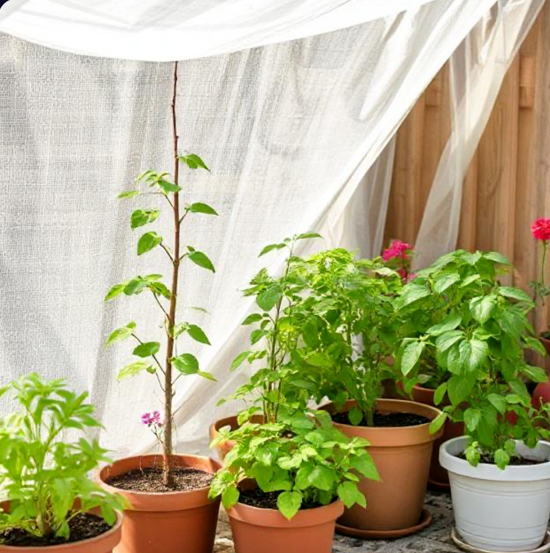
- Shade cloth systems: 30-50% shade cloth during peak heat periods
- Reflective mulching: Light-colored mulch reflects heat away from roots
- Evaporative cooling: Water features and misting systems
- Strategic positioning: Move containers to cooler microclimates
Container Heat Protection:
- Insulation wrapping: Protect containers from direct sun exposure
- Double-potting: Smaller containers inside larger ones for insulation
- Elevating containers: Air circulation underneath prevents heat buildup
- Light-colored containers: Reflect rather than absorb solar energy
Chapter 8: Urban Pest and Disease Prevention
Urban Pest Challenges Cities concentrate pests while limiting natural predator populations, requiring integrated management approaches.
Common Urban Garden Pests: Aphids and Small Insects:
- Sticky traps: Yellow cards capture flying pests effectively
- Companion planting: Marigolds, nasturtiums deter many pests
- Beneficial insect attraction: Flowers that draw pest predators
- Organic sprays: Insecticidal soap and neem oil applications
Larger Urban Pests:
- Squirrels and birds: Netting and physical barriers
- Rats and mice: Proper sanitation and harvest timing
- Cats: Safe deterrent strategies that don't harm animals
- Human pests: Positioning and community engagement strategies
Disease Prevention in Urban Humidity: Air Circulation:
- Fan systems: Small fans improve air movement in still urban areas
- Plant spacing: Adequate spacing prevents humidity buildup
- Pruning strategies: Remove lower leaves to improve airflow
- Container positioning: Elevate containers for better air circulation
Fungal Disease Management:
- Watering timing: Early morning watering allows foliage to dry
- Soil-level watering: Avoid wetting leaves when possible
- Organic fungicides: Baking soda solutions and beneficial bacteria
- Resistant varieties: Choose disease-resistant cultivars when available
Chapter 9: Seasonal Urban Growing Strategies
Urban Four-Season Production Cities' heat islands and building protection create opportunities for extended growing seasons.
Spring Urban Advantages: Early Season Protection:
- Building heat: Structures warm the soil earlier than rural areas
- Wind protection: Buildings provide shelter for early plantings
- Microclimate optimization: Warm corners and protected areas
- Cold frame integration: Portable protection for early crops
Summer Urban Intensity: Heat Management Systems:
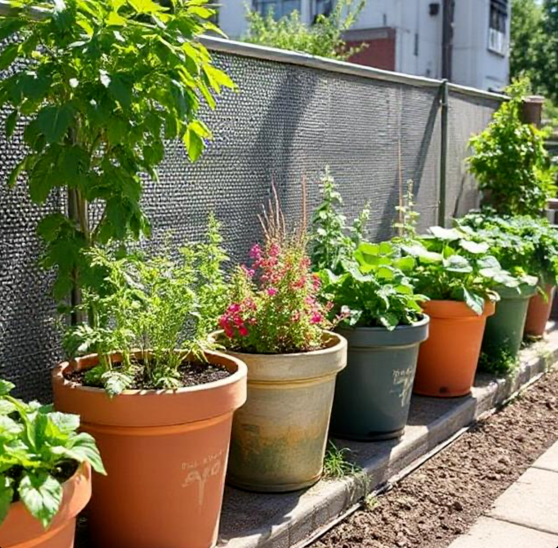
- Morning sun positioning: Capture early light, avoid afternoon intensity
- Cooling strategies: Evaporation, shade, and air circulation
- Water management: Increased irrigation needs and efficiency
- Plant protection: Stress reduction and recovery protocols
Fall Extended Harvests: Urban Heat Retention:
- Later frost dates: Cities stay warmer longer than the surrounding areas
- Building heat mass: Structures release stored heat throughout the night
- Protection integration: Combine natural and artificial protection
- Cool-season optimization: Take advantage of perfect growing temperatures
Winter Urban Growing: Indoor Integration:
- Windowsill systems: Maximize natural light from southern exposures
- LED grow lights: Supplement natural light for continuous production
- Heated spaces: Utilize ambient building heat for growing
- Microgreen production: Quick, nutritious crops for winter variety
Chapter 10: Budget-Friendly Urban Solutions
Urban Gardening on a Tight Budget.. City living expenses make budget-conscious gardening essential for many urban growers.
Container Cost-Cutting: Repurposing Strategies:
- Food industry containers: Restaurant buckets and storage totes
- Construction materials: Clean lumber for raised container beds
- Household items: Storage bins, laundry baskets with liner
- Community resources: Neighborhood sharing and bulk purchasing
Seed and Plant Savings: Seed Starting Systems:
- DIY seed starting: Yogurt cups and egg cartons for starting seeds
- Community seed swaps: Exchange varieties with other urban gardeners
- Heirloom varieties: Save seeds for next year's planting
- Winter planning: Buy seeds during off-season sales
Tool and Supply Efficiency: Multi-Use Tools:
- Basic tool kit: Focus on versatile tools that serve multiple functions
- Storage solutions: Compact tool storage for small urban spaces
- Community tool sharing: Neighborhood tool libraries and sharing
- Seasonal buying: Purchase supplies during end-of-season sales
DIY Solutions: Homemade Growing Aids:
- Compost systems: Kitchen scrap composting in small spaces
- Irrigation systems: DIY drip irrigation from recycled bottles
- Support structures: Homemade trellises and plant supports
- Protective devices: DIY row covers and plant protection
Chapter 11: Advanced Urban Growing Techniques
Hydroponic Integration Urban environments are perfect for soilless growing systems that maximize space and control growing conditions.
Beginner Hydroponic Systems: Deep Water Culture:
- Simple setup: Containers with air stones for oxygenation
- Perfect crops: Leafy greens and herbs thrive in DWC systems
- Space efficiency: Multiple plants in compact systems
- Urban advantages: No soil means cleaner indoor growing
Kratky Method (Passive Hydroponics):
- No electricity required: Perfect for balconies without power access
- Minimal maintenance: Set-and-forget growing system
- Excellent for beginners: Simple to understand and implement
- Cost-effective: Uses basic containers and minimal equipment
Aquaponics for Urban Spaces: Small-Scale Fish Integration:
- Dual production: Fish protein and vegetables from one system
- Nutrient cycling: Fish waste provides plant nutrition
- Space efficiency: Vertical aquaponics systems for small areas
- Educational value: Understanding complete food systems
Chapter 12: Community and Social Aspects
Building Urban Food Communities. Sunlight Growth Urban gardening creates opportunities for community building and knowledge sharing.
Neighborhood Integration: Community Gardens:
- Shared resources: Split costs and share knowledge with neighbors
- Learning opportunities: Experienced gardeners mentor beginners
- Social connection: Build relationships through shared growth
- Space sharing: Access to larger growing areas through community participation
Apartment Building Gardens:
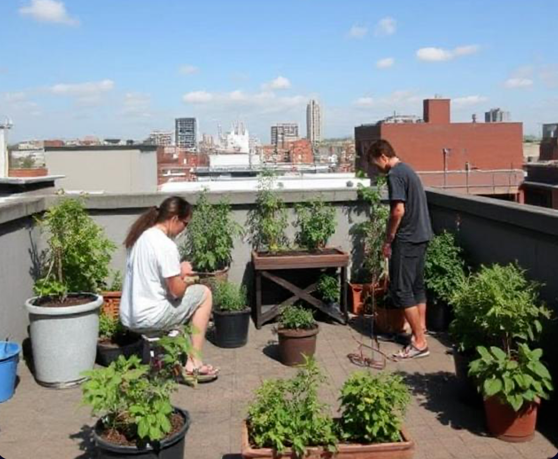
- Rooftop utilization: Organize building-wide growing spaces
- Shared tool storage: Community tool sheds and equipment sharing
- Group purchasing: Bulk buying for soil, seeds, and supplies
- Skill sharing: Workshops and knowledge exchange among residents
Urban Farming Networks: Online Communities:
- Local growing groups: City-specific Facebook groups and forums
- Knowledge sharing: Share a variety of recommendations and techniques
- Resource exchanges: Tool lending and plant sharing
- Problem-solving: Get help with urban-specific challenges
Your Urban Growing Success Blueprint
Transform your urban space into a productive food system with this systematic approach:
- Assess your specific urban conditions: Document sun, wind, space, and access limitations
- Start with appropriate containers: Choose sizes and materials suited to your space and crops
- Select urban-adapted varieties: Focus on heat-tolerant, compact, high-yielding varieties
- Install efficient watering systems: Drip irrigation or self-watering containers for busy schedules
- Implement vertical growing: Maximize limited space with trellises and tiered systems
- Plan for seasonal extremes: Heat protection for summer, growing extensions for winter
- Build community connections: Join local groups and share resources with neighbors
- Scale systematically: Start small, master your system, then expand gradually
The Urban Gardening Mindset Revolution. Success in urban container gardening comes from embracing city conditions as advantages rather than viewing them as limitations. Urban heat islands extend growing seasons, building protection creates beneficial microclimates, and vertical space provides unlimited expansion opportunities.
By selecting appropriate varieties, implementing efficient systems, and connecting with urban growing communities, your city space can produce abundant, fresh food throughout the year. Urban gardening isn't just about growing vegetables – it's about creating food security, building community connections, and transforming concrete spaces into green, productive environments.
Ready to start your urban food production journey? Begin with 2-3 containers and your favorite vegetables, implement one efficient system at a time, and connect with your local urban growing community. Share your urban growing questions in the comments below – I love helping city gardeners maximize their harvests in challenging spaces!
Have questions about urban container gardening? Drop them in the comments below – I respond to every gardening question.
Turn your urban space into a productive food oasis with these proven container strategies. Happy growing!
Share this insight
This conversation is happening inside the community.
Join free to continue it.The Internet Changed. Now It Is Time to Build Differently.
If this article resonated, the next step is learning how to apply it. Inside Wealthy Affiliate, we break this down into practical steps you can use to build a real online business.
No credit card. Instant access.