The Influencer Problem With Social Media


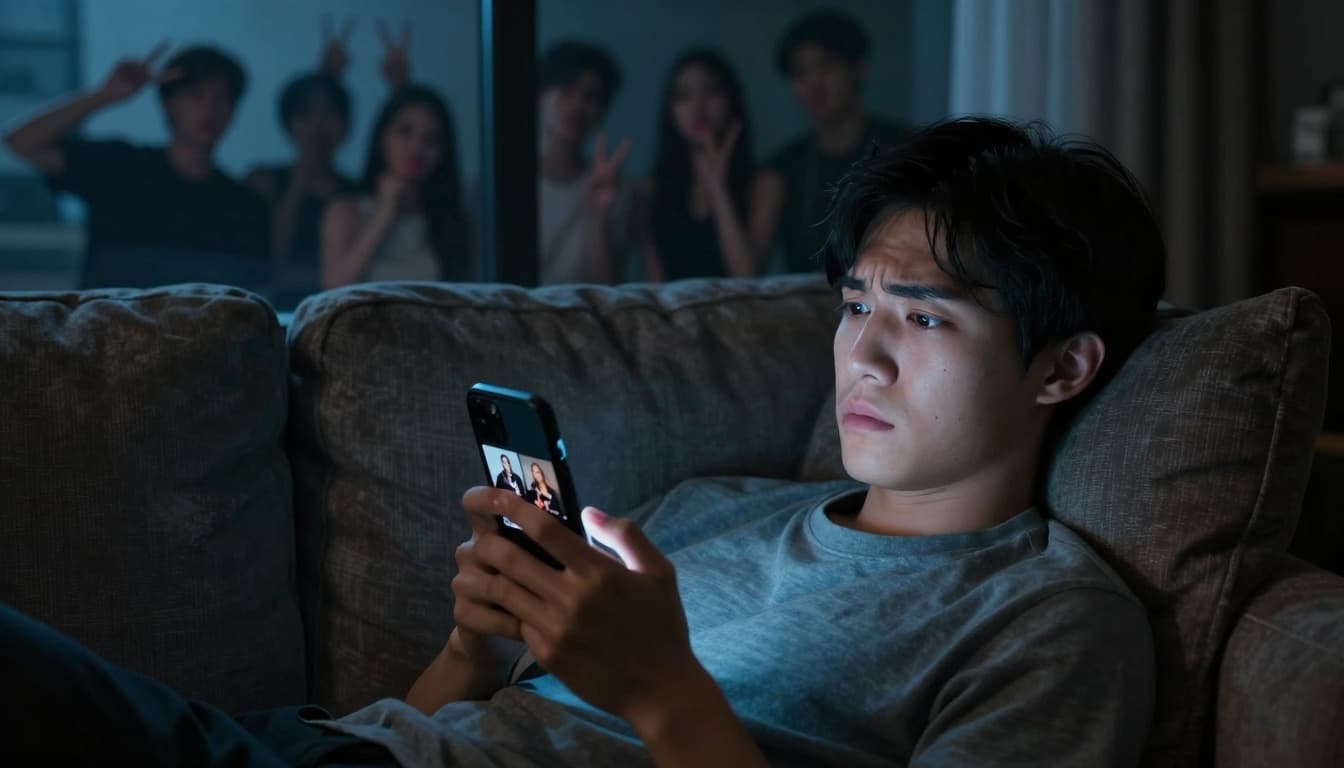 Late-night scrolling can feel harmless until it starts rewriting what “normal” looks like.
It started really small. A “must-have” water bottle, the perfect morning routine, or a quick clip that makes your life look like a train wreck by comparison.
That’s the influencer problem with social media. Influencers shape what people buy, think, and value, and the feed trains the copy-and-paste behavior. It’s subtle, almost polite, and that’s why it works for them.
And it’s getting bigger. The influencer marketing industry reached about $32.55 billion in 2025, and brands keep hiring creators because it sells. Trust keeps wobbling, but the line between real life and marketing keeps fading.
How Influencers Turn Regular Scrolling Into “Just Follow The Crowd” Thinking
In 2025, Social platforms rewarded repetition. The algorithm pushed what already worked, so creators copied each other, then everyone else copied them. After a while, the same idea showed up ten times, and your brain treated it like a fact.
Influencers also played an expert role. Some knew their topic, but most didn’t. Research from the University of Portsmouth flagged this pattern and warned that unchecked influence can lead to ethical and mental health fallout, as well as security risks. People didn’t just watch, they took cues.
Soon you weren’t deciding. You were reacting. It’s easier to repost a hot take than build your own view. Instead of becoming a leader, you became a follower.
The Comparison Trap: Curated Lives, Filtered Faces, and Constant Self-doubt
Filtered skin, edited “before-and-after” shots, luxury weekends that look like Tuesday. It pushed unrealistic standards and a nasty comparison habit.
The quiet punchline was buying. A lot of “self-improvement” content really meant “buy this to be fixed,” or at least to feel included. This is where people began to act like sheep, following the crowd.
When Misinformation Travels Faster Than Real Expertise
Portsmouth researchers also pointed to misinformation, health claims, politics, and social issues. Confidence beat credentials, and repeated claims started to feel true.
A simple rule helped some: pause, cross-check with two solid sources, and look for real expertise (training, experience, citations), not just good lighting or a pretty face.
The Money Side: Hidden Ads, Fake Followers, and Trust Getting Wrecked
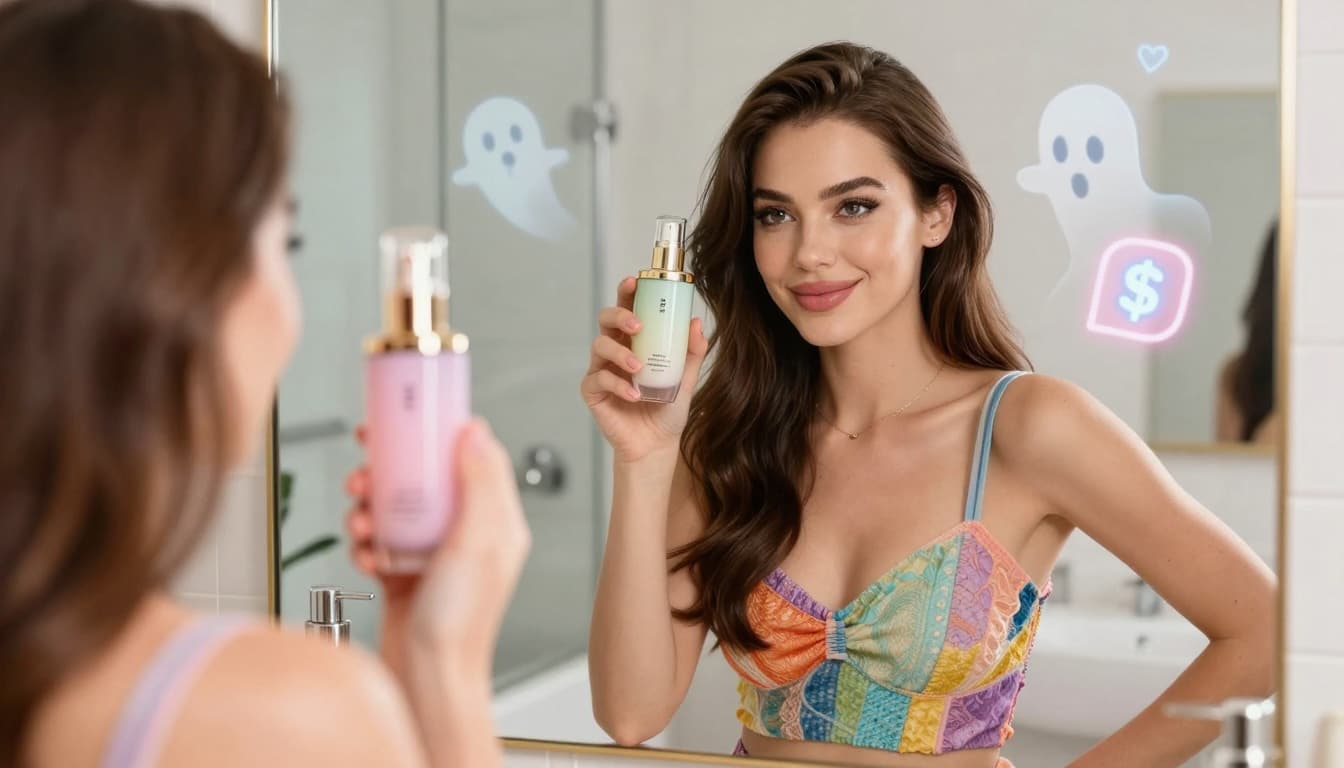 Sponsored content can look like a personal recommendation, even when money sits just out of frame (created with AI). Product shows differently on purpose!
Influencer posts often acted like ads, even when they didn’t look like ads. Disclosures stayed inconsistent, and audiences got tired of guessing.
Meanwhile, brands didn’t slow down. About 86% of US companies used influencer marketing, and US spending was projected to hit $12.7 billion in 2026. Smaller creators also surged, with nano-influencers making up 75.9% of Instagram’s influencer base, and they often pulled higher engagement.
If you promote anything yourself, disclosure is part of doing it clean and the right way. This Wealthy Affiliate lesson on in-page affiliate disclaimer best practices lays out the basics.
Deceptive Consumption: Undisclosed Sponsorships, Counterfeit Hype, and Misleading Claims
The Portsmouth study grouped this under deceptive consumption: hidden sponsorships, misleading claims, and even counterfeit product pushes. The script influencers used was familiar: “I use this every day,” followed by a tracked link.
If money’s involved, demand clarity. Adopt this rule when watching influencers: no clarity, no trust.
Privacy is the Silent Problem Nobody is Talking About
Influencers and platforms collected a lot of data, and followers got pulled into tracking, sketchy links, and giveaway traps. It’s a security issue, and regulators haven’t fully caught up.
A couple of helpful suggestions: limit app permissions, and treat links and “DM to claim” offers like they’re loaded, because they usually are. Your information is golden and exactly what sketchy people are after, besides the money you spend buying the junk they are promoting.
What to do about it: Rebuild Independent Thinking Without Quitting Social Media
 Stepping back and thinking on paper is still a strong antidote to feed-driven thinking (created with AI).
Don’t quit social media, just stop letting it drive you. You are not Mrs Daisy after all!
Slow down before you buy. Look for plain disclosures. Check claims across multiple sources. Follow people who teach skills, not status and a pretty face.
Policy fixes matter too, and Portsmouth researchers pushed the same themes: clearer transparency rules, stronger consumer protection, more mental health-aware content, and tougher data safeguards.
For creators and marketers, the old rules still win: credibility, reliability, and audience-first behavior. This breakdown, written 12 years ago, on Building credibility and reliability in online marketing, gets that right and remains true today.
The Final Influence
Influencers aren’t the enemy. Blindly following them is the risk. Unfollow one account that makes you feel worse, or fact-check one claim before you share it. Small steps add up, and remember this. You don’t need a stranger’s lifestyle to decide what’s right for you.
Join FREE & Launch Your Business!
Exclusive Bonus - Offer Ends at Midnight Today
00
Hours
:
00
Minutes
:
00
Seconds
2,000 AI Credits Worth $10 USD
Build a Logo + Website That Attracts Customers
400 Credits
Discover Hot Niches with AI Market Research
100 Credits
Create SEO Content That Ranks & Converts
800 Credits
Find Affiliate Offers Up to $500/Sale
10 Credits
Access a Community of 2.9M+ Members
Recent Comments
11


Hey Micheal
Point taken 'Blindly following them is the risk' unfortunately the overwhelming volume of information available has turned them into the go to people. Which amplifies the challenge we face.
Just saying ^_^ Cheers

Indeed it does amplify the challenges we face. We need to stay vigilant and check facts rather than joining the herd of followers.
Hey Michael
I like it, the herd of followers, it implies individual thinking is on the decline. What we now have is a follower the leader mentality, with the influencer becoming the leader.
Terrible scenario.


Such an important read. I like how you highlighted how subtle influence can be and offered realistic ways to step back without quitting social media altogether. Thought-provoking and grounding.
See more comments
Join FREE & Launch Your Business!
Exclusive Bonus - Offer Ends at Midnight Today
00
Hours
:
00
Minutes
:
00
Seconds
2,000 AI Credits Worth $10 USD
Build a Logo + Website That Attracts Customers
400 Credits
Discover Hot Niches with AI Market Research
100 Credits
Create SEO Content That Ranks & Converts
800 Credits
Find Affiliate Offers Up to $500/Sale
10 Credits
Access a Community of 2.9M+ Members
This is such an important reminderdisclosure and transparency are everything. Influencer marketing can be powerful, but when it’s hidden or misleading, trust disappears fast. I love the message here: don’t quit social media, just use it intentionally and keep your own judgment sharp. Thanks for sharing!
Thanks for enjoying it Monica.
Michael