Pay-Per-Click Marketing: Fast Traffic Without Guesswork


Published on February 24, 2026
Published on Wealthy Affiliate — a platform for building real online businesses with modern training and AI.

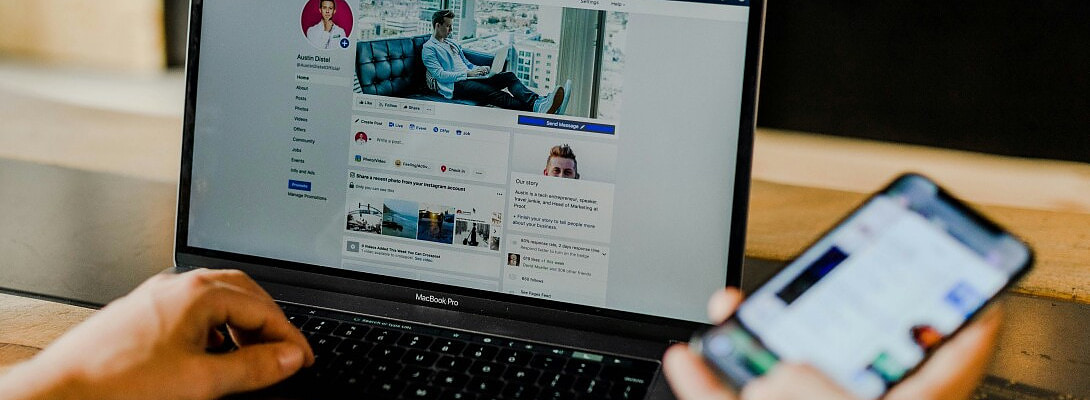
You want leads this week, not a "brand awareness journey." That's cool! Pay-per-click (PPC) marketing is a deal where you pay only when someone clicks your ad. It can drive traffic fast, which is why it's tempting at 11:47 pm when sales are moving like a dead fish sitting in the sun.
But know this: PPC is also a budget shredder if you try to wing it. These ads run on auctions and relevance, not just who throws in the biggest bid. Pay attention to that part, because it's where most campaigns faceplant themselves.
How pay-per-click ads actually work, the 60-second version
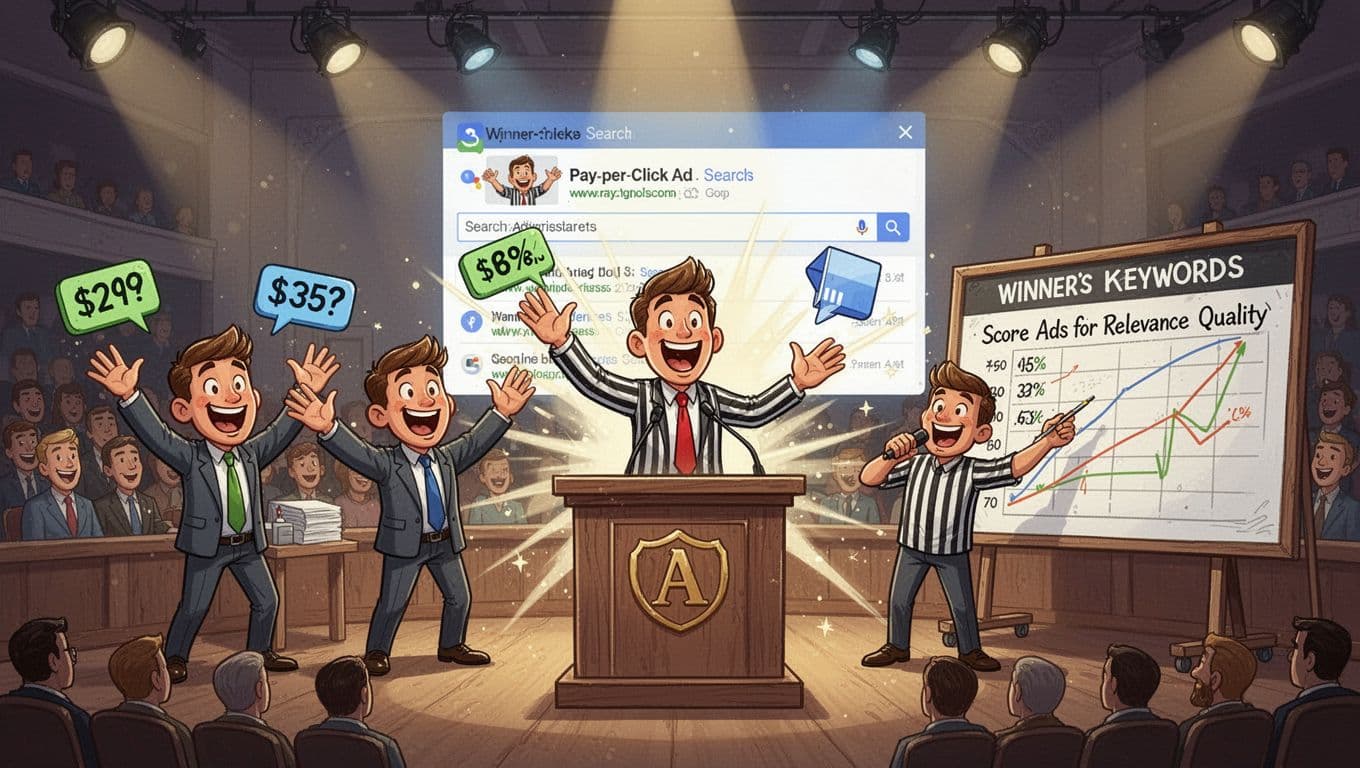 An ad auction scene showing bids competing with relevance and quality signals, created with AI.
First, you choose targeting, like keywords (search terms) or audiences (types of people).
Next, you set a bid, which is the most you're willing to pay per click. Then your ad enters an auction every time a user searches or scrolls.
Here's the twist: the platform scores your ad for relevance (does it match what the person wants?) and landing page quality (does the page actually help, load fast, and match the ad?). After that, it decides where you show and what you pay.
Here is a quick sanity check on metrics:
- Impressions are views.
- Clicks are visits.
- Conversions are outcomes (leads, sales, or calls).
Clicks are not the goal. They are the byproduct. It's the conversions that pay the bills.
If your ads get clicks but not conversions, you bought attention, and not revenue.
The three levers you control: targeting, bid, and the page people land on
Targeting- decides who gets a shot at seeing you. Tight targeting usually saves money.
Bid- sets your ceiling, but it doesn't guarantee the top spot.
A landing page is where deals either happen or die. A better ad plus a better page can beat a bigger budget.
If your team keeps mixing up impressions with results, send them an affiliate marketing glossary and move on.
Ready to put this into action?
Start your free journey today — no credit card required.
Picking the right PPC platform so you are not guessing
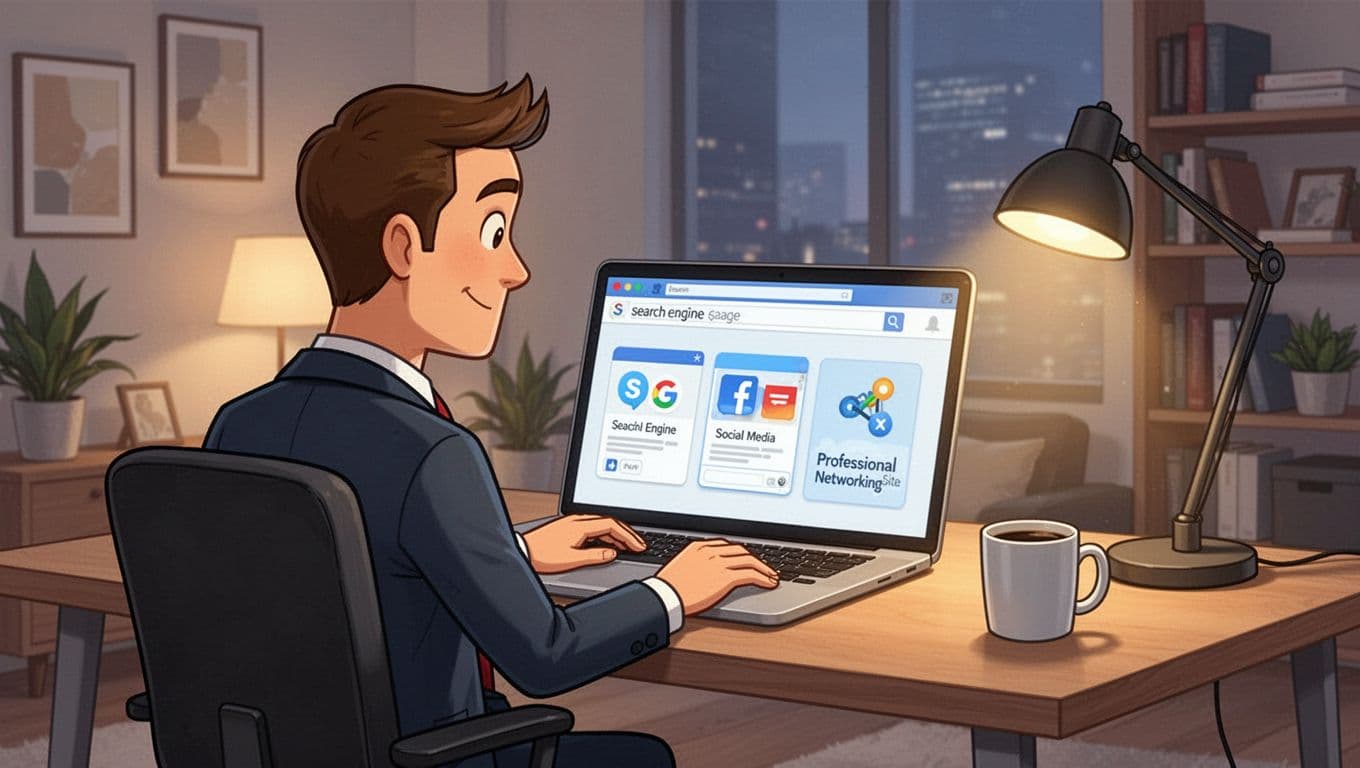 Choosing between search and social ad channels on a laptop, created with AI.
PPC can run almost anywhere, so pick based on intent.
Google Ads is for high-intent search, plus YouTube reach.
Microsoft Ads often bring cheaper clicks on similar search behavior.
Meta shines for interest targeting and retargeting. LinkedIn is pricey but deadly accurate for B2B roles and job titles.
TikTok is discovery, great for top-of-funnel testing.
Rule of thumb: if people are actively searching, go search. If you need demand, go social. In 2026, automation is everywhere, and AI-style results can mean fewer clicks but higher-quality ones, so your offer has to be clear.
Start with one channel, then expand once tracking is clean
Focus beats "we're everywhere." Yes, buyers see multiple touches. Still, don't scale until you can reliably measure leads or sales, not just traffic.
A simple PPC setup that stops budget leaks
Pick one goal, lead, sale, or call. Then build the campaign around it like you mean it:
- Choose a small set of keywords or a tight audience.
- Write one clear offer, one promise, one next step.
- Send traffic to a dedicated landing page (not your homepage buffet full of links).
- Set a daily budget you can stomach for 7 to 14 days.
- Track conversions before you touch "smart bidding."
Automation helps after the data is real. Before that, it's a Roomba in a LEGO room.

Common mistakes that make PPC look "broken."
- Going too broad on keywords or interests
- Skipping negative keywords (you pay for junk clicks)
- Writing a vague ad copy with no clear offer
- Sending people to a slow or mismatched page
- Not tracking conversions, then judging on clicks only
Make only one change at a time, or you'll never know what fixed it.
Fast Traffic Demands Discipline
PPC is fast, measurable, and controllable, but it rewards clean targeting and honest tracking. Treat it like a test, and not a lottery ticket. Run a small 7- to 14-day campaign with a capped budget, a single goal, and working conversion tracking. Then decide based on cost per lead or sale, not hunches or feelings. If you're worried PPC hurts rankings, read this take on does PPC affect SEO.
Want to dig deeper? Check out this class- Creating Highly Scalable PPC Campaigns
Share this insight
This conversation is happening inside the community.
Join free to continue it.The Internet Changed. Now It Is Time to Build Differently.
If this article resonated, the next step is learning how to apply it. Inside Wealthy Affiliate, we break this down into practical steps you can use to build a real online business.
No credit card. Instant access.