What Is Affiliate Marketing? A Beginner's Guide


Published on January 4, 2026
Published on Wealthy Affiliate — a platform for building real online businesses with modern training and AI.
Here's a Thought ^_^
“What if you could earn income by recommending products you already use and trust?”
Affiliate marketing shows up everywhere online; if you’re new to it, those buzzwords can make it seem complicated. In reality, it’s a pretty straightforward way for regular folks to earn money by recommending products or services. Think of it as passing along word-of-mouth recommendations, except you’re doing it through websites, social media, videos, or email. I’m laying out everything you’ll want to know as a total beginner, along with hands-on advice to really get things moving.
What Does an Affiliate Marketer Do?
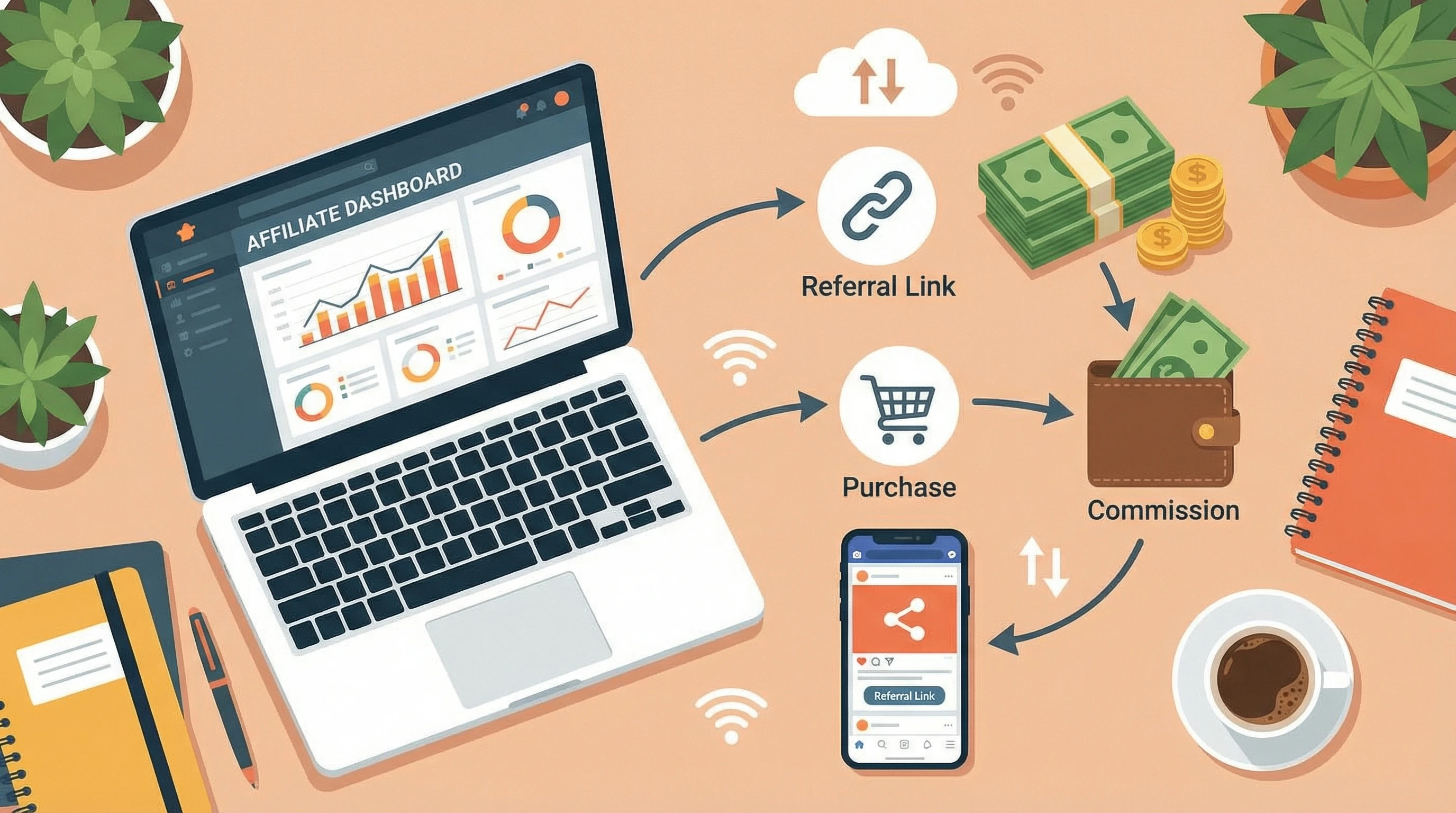
An affiliate marketer works with brands or companies to promote their products or services. When someone makes a purchase or completes a specific action, such as signing up for a free trial, using your special affiliate link, you earn a commission. Your job is to create helpful, honest content that introduces the products to your audience and convinces them to take action. This can happen through blog articles, YouTube videos, email newsletters, or even social media posts.
For example, if you write a blog post reviewing a kitchen gadget and your reader clicks on your affiliate link to buy it, you score a small cut of that sale. It’s all about making genuine recommendations and matching people with stuff they’re already interested in.
Affiliate Marketer: Definition, Examples, and How to Get Started
“You don’t need a product, a warehouse, or a sales team to start an online business anymore.”
An affiliate marketer is anyone who earns a commission by promoting a company’s products or services using trackable links. You don’t need a fancy website or huge following right from the jump; plenty of folks start small.
Here are a few classic affiliate marketing examples:
- Bloggers: Someone running a recipe blog might include affiliate links to baking tools in their posts.
- YouTubers: A tech reviewer shares an affiliate link for a featured laptop in their video description.
- Social Media Influencers: Those “swipe up for 15% off” links on Instagram often tie back to affiliate programs.
Most marketers sign up with an affiliate program offered by the company or through networks like Amazon Associates, Share A Sale, or CJ Affiliate. From there, it’s about picking products that actually fit your style and audience.
Affiliate marketing is super flexible and can work in many niches, from fitness and cooking to fashion and personal finance. Anyone passionate about a subject can find products or services their audience would appreciate, making it possible to grow a small side hustle into something much bigger. Even if you start with one or two products, learning the ropes early can set you up for bigger successes down the line. Many top affiliates began by focusing on one area and branching out as they learned what their audience wanted.
How to Start Affiliate Marketing as a Beginner
Getting started can look overwhelming, but it’s a lot less scary when you break it into steps. Here’s what I did and what I usually recommend for anyone just getting their feet wet:
- Pick a Niche: Choose a topic you actually care about (like fitness, tech gear, or DIY crafts). This helps you stay interested and also makes your content feel more authentic.
- Build a Platform: You’ll need a home base for your content. Most people go with a blog or a YouTube channel, but TikTok and Instagram can work, too.
- Join Affiliate Programs: Sign up for affiliate networks that fit your niche. Amazon’s program is simple for beginners, but check out programs specific to your audience as well.
- Create Content: Write honest product reviews, tutorials, or helpful guides. Focus on quality over quantity; your audience needs to trust your voice.
- Share Your Links the Right Way: Always use your special affiliate links so sales are tracked back to you. And don’t forget to add proper disclosures, since you’re making a recommendation for money.
- Track What Works: Most affiliate networks have dashboards with stats. Use these to spot patterns, then tweak your approach over time.
If you’re stuck on the tech side, plenty of online tools make it easy to set up a quick website or manage affiliate links. WordPress and Wix make blog building easy, while plugins like Thirsty Affiliates or Pretty Links help you organize and cloak your affiliate URLs.
Ready to put this into action?
Start your free journey today — no credit card required.
Don’t rush the process—building trust with your audience matters more than fast results. Take time to read reviews, actually try products if you can, and answer your readers’ questions. Adding a personal story or sharing how a product helped you makes your content even more relatable. The strongest affiliate marketers point people to products that genuinely solve problems or make life better, so focus on real value instead of quick sales.
How Can You Earn $100 Per Day With Affiliate Marketing?
Hitting $100 a day is a common target when starting out. While results vary, it’s definitely possible with the right approach and some patience. Here’s what works for a lot of beginner affiliate marketers:
- Target High Value Products or Services: Digital courses, software, or pricey electronics pay better commissions than, say, $10 notebooks. Look for products that give you at least $20 per sale.
- Focus on Traffic: The more eyes on your content, the more clicks, and sales, you’ll see. SEO (search engine optimization) for blog posts and using trending keywords on YouTube make a big difference.
- Mix Evergreen and Trendy Content: Evergreen content (like “Best Laptops for Students”) will keep attracting visitors long term, while reviewing hot new products can bring quick bursts of traffic.
- Upgrade Your Content: Try comparison tables, detailed guides, or video walkthroughs. These formats build trust and help your audience make smart decisions.
- Build an Email List: Start collecting emails right away, even if your audience is small. Send out product tips, exclusive deals, or your latest posts. Email tends to convert better than social media for affiliate sales.
Consistency turns small wins into steady income. I started out barely making a few dollars each week before content picked up steam and commissions followed. Remember, growth is often slow at first, but it accelerates as you build more content and your site gains authority.
If you want to get to that $100-a-day mark, focus on products or programs that offer recurring commissions—think subscriptions or services. That way, you stack up earnings each month instead of starting from zero. Building multiple streams or promoting several offers that fit your niche can help you reach your goal faster, especially if you base your content around popular topics with lots of search interest.
Understanding the 80/20 Rule in Affiliate Marketing
You’ll probably hear about the 80/20 rule a lot in online business circles. In affiliate marketing, it means that around 80% of your results come from 20% of your efforts, products, or traffic sources. For example, you might earn most of your commissions from just a handful of products or a few key articles or videos.
The idea is pretty handy, as it helps you focus and stop spreading yourself too thin. By figuring out which posts, products, or platforms make the bulk of your income, you can choose where to put most of your energy.
How to Use the 80/20 Rule in Affiliate Marketing
- Find Your Top Performers: Look at your reports to see which products or posts bring in most of your income. Double down on what’s working.
- Cut Out Low Result Activities: If you’re spending hours on social platforms that don't convert, consider spending that time on your blog, video channel, or email list if they’re delivering better results.
- Keep Testing: Try new product types, content styles, or platforms. But once you find what sticks, make that your main focus.
Sticking to the 80/20 rule helps you put your time where it pays off and keeps frustration to a minimum. Every so often, do a mini audit by checking which type of content or which product offers actually get traction; that way, you’re always improving your results, not just working harder for the same outcome.
Risks of Affiliate Marketing
Affiliate marketing can sound easy, but there are a few risks that don’t get talked about enough:
- Income Fluctuations: Affiliate earnings can go up and down with traffic, sales, or program changes. Some months are lean while others spike.
- Program Changes: Companies can change their commission structure, cancel affiliate programs, or change the rules without much notice. Amazon, for example, has done this before, which hit a lot of affiliates pretty hard.
- Payout Delays: Some networks have payment minimums or long waiting periods before commissions land in your account.
- Platform Dependence: Relying on one source of traffic, such as Google search or Instagram, can be risky. If an algorithm changes, your traffic and income could drop overnight.
Spreading out your income streams and keeping up with program emails goes a long way in avoiding these headaches. Building your own audience through email lists or direct website traffic gives you more control and stability, so consider making your email readers or website the main home for your content.
Common Affiliate Marketing Mistakes
Everyone slips up in the early days, and I’ve made most mistakes out there. Here are the most common ones I see and how to dodge them:
- Chasing High Commissions Without Checking Product Quality: Promoting low quality products just for a bigger commission can wreck your audience’s trust. Always try the product or research it thoroughly before sharing.
- Ignoring Disclosure Rules: Every country has rules about letting your readers know you’re using affiliate links. Failing to disclose properly could land you in legal trouble or turn off your audience.
- Going Too Broad: It’s tempting to cover every topic and promote every product, but sticking to a focused niche helps you build a loyal audience.
- Neglecting SEO: If your blog posts aren’t optimized for search engines, very few people will see them. Brush up on basic SEO techniques early on.
- Giving Up Too Fast: Affiliate marketing is a long-game effort. It can take months to see more than a trickle of sales, so patience pays off.
Adding to that, another pitfall is not updating your content. Product details, prices, and deals change, so check your most popular posts now and then to make sure all the links and information are accurate. A quick refresh keeps readers happy and helps search engines consider your content current.
Frequently Asked Questions
Here are some common questions I hear from beginners getting into affiliate marketing:
Question: Is affiliate marketing passive income?
Answer: It can be pretty passive once you’ve put in the work, but in the beginning, expect to spend time building content and keeping things fresh. The more evergreen and useful your content, the more likely it is to keep earning over time.
Question: Do I need a website to start?
Answer: While a website helps a lot for SEO, you don’t always need one. Many people start with YouTube, TikTok, or even email marketing. Having a central hub is handy for long-term growth, though, since it gives you full control over your audience and content.
Question: Can I do affiliate marketing and keep my day job?
Answer: Yes, and actually, that’s how most people start out. It’s flexible enough to work on evenings or weekends, and you control your involvement and pace. Over time, you can ramp up your efforts as you see results and fit it around your schedule.
Final Thoughts
“Most people think you need money to make money — affiliate marketing quietly proves otherwise.”
Affiliate marketing isn’t a get rich quick trick, but it can turn into a steady side income or even a full time gig if you dig in and stick with it. Focus on helpful content, keep learning from your data, and don’t be afraid to experiment as you go. The freedom to explore different topics and share products you genuinely like makes it an attractive option for a lot of folks.
Keep testing new ideas, stay honest with your recommendations, and your audience will grow along with your earnings. If you keep at it, keep learning, and always put your readers first, affiliate marketing has the potential to become a strong, reliable income source. Good luck out there!
Share this insight
This conversation is happening inside the community.
Join free to continue it.The Internet Changed. Now It Is Time to Build Differently.
If this article resonated, the next step is learning how to apply it. Inside Wealthy Affiliate, we break this down into practical steps you can use to build a real online business.
No credit card. Instant access.