9 Benefits of Eating Fermented Foods to Improve Gut Health

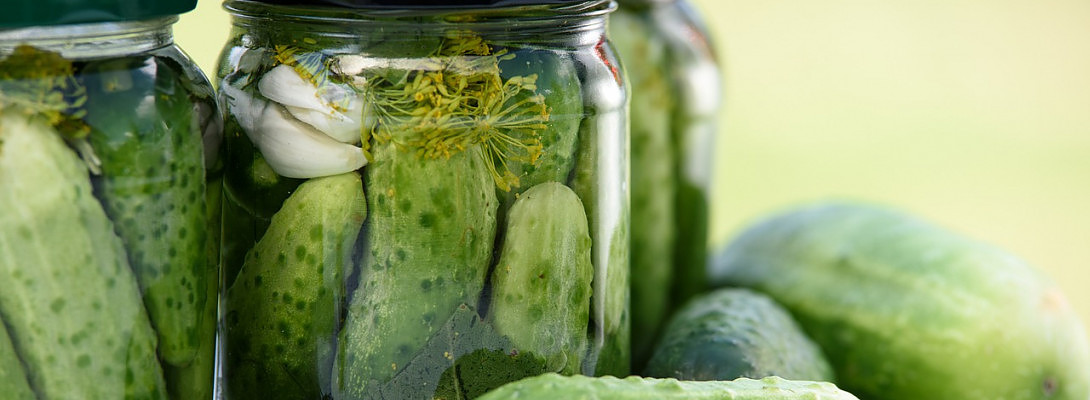


A vital part of our bodies is our digestive system. It is responsible for breaking down food, absorbing nutrients, and expelling toxins, and it does this day in and day out, from when you wake up in the morning to when you go to sleep at night and while you are sleeping. There are various ways to keep this system healthy, eat right, get enough sleep, exercise, etc. However, one area is often overlooked when trying to maintain a healthy digestive system, and that area is including fermented foods in our diets. Including fermented foods in our diets is a simple and excellent way to ensure that our digestive systems stay in optimal shape. Fermented foods and probiotics have been a part of many cultures since the Stone Age, and these foods have been prepared and eaten in many areas of the world. Fermenting food was one of the earliest forms of food preservation used by human beings, so it's a practice that comes to us with a proven track record!
Experts agree that naturally fermented food is something we should all include in our daily routines because it is responsible for strengthening our microbiome. What is our microbiome? Those trillions or so bacteria and micro-organisms living inside our "gut." More and more experts are linking these micro-organisms to healing more health conditions, from obesity to neurodegenerative diseases. In addition, foods preserved by using an age-old process of natural fermentation boost the number of healthy probiotics, improving our overall healthy microbiome, which is essential for proper and healthy digestion.
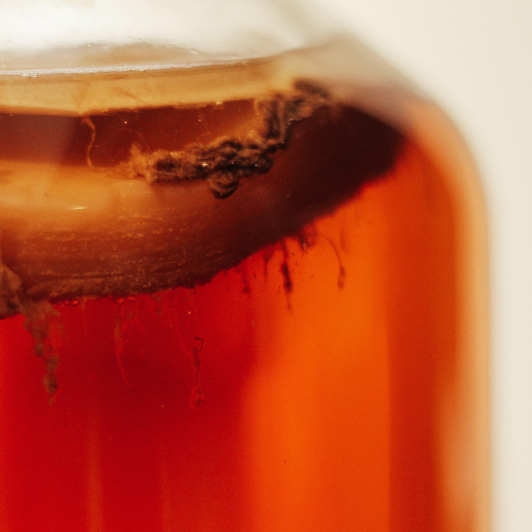
Those naturally fermented foods contain "live cultures." These live
cultures add to the good bacteria in our bodies and keep the harmful
bacteria in check. These live cultures that we want to include in our
diets live in yogurt and kefir, some pickles, and some pickled
vegetables like kimchi and sauerkraut. But, of course, my favorite is
Kombucha, a cultured tea that does wonders for your microbiome! This one
starts with what we affectionately call a "Scoby." Scoby is the acronym
for "symbiotic culture of bacteria and yeast." So, the highest quality
Kombucha starts with a good quality SCOBY, which will last a long time
and produce a continuous, high-quality Kombucha brew for you.
You must read labels carefully when shopping for fermented items in grocery stores. For example, the jars of pickles you can buy at the supermarket do not always use a natural fermentation process using live cultures; a lot use vinegar and added sugars. So what does that mean to us? It means they probably do not contain probiotics, and you may be wasting money depending on your goals. There are two things to look for when shopping; the words "Naturally Fermented" on the label, and when you get home and open the container, you'll see bubbles in the liquid, evidence of live organisms in the product. Fermentation helps produce lactobacilli, lactic acid, acetic acid, aceto-bacteria, and other live organisms in your gut by introducing them through eating these good foods.
1) Probiotics
Probiotics are living bacteria that help support your immune system, digestive tract, and other bodily functions. Probiotics are often found in yogurt, kefir, kimchi, kombucha, sauerkraut and pickles. These fermented foods can improve gut health by:
- Substantially increasing the number of good bacteria in the gut, helping to break down food for better digestion.
- Reducing inflammation in the gut.
- Making absorption of the nutrients easier through the lining of the intestines and into your body, preventing harmful bacteria from flourishing
- Encouraging healthy bowel movements and
- Improving the natural balance of good vs. bad bacteria
2) Probiotic Therapy
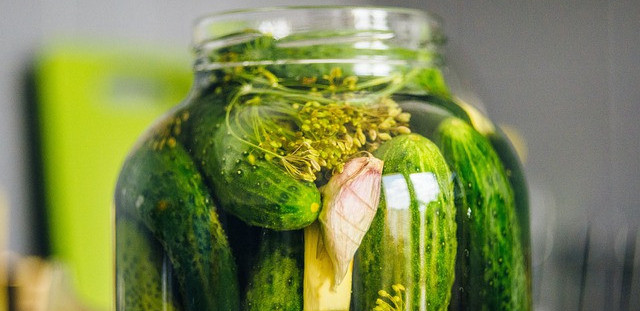
Many fermented foods are high in probiotics, a type of bacteria that can be good for healing your gut. Probiotics help with digestion and provide the body with the nutrients it needs. They also help boost the immune system. When food moves through your intestines, it feeds these probiotics, producing substances that fight off harmful bacteria and create vitamin K2, which supports healthy bones and cardiovascular function. The American Heart Association published a study that found that people who take probiotics regularly can reduce their blood pressure and cholesterol. The best way to know you are getting enough probiotics is by eating a variety of fermented foods like yogurt, kefir, kimchi, Kombucha, or sauerkraut daily. You can even make your own homemade pickles! Pickles contain lactic acid, which helps control cholesterol levels. Plus, making pickles at home allows you to control the ingredients, so you don't have to worry about sodium levels being too high, as you might find in store-bought brands.

The gut microbiome can affect how we respond to drugs, so it's crucial for people undergoing chemotherapy or taking antibiotics to eat a diet rich in good bacteria. In addition, probiotics are helpful for those who suffer from diarrhea because they can reduce inflammation and ease the symptoms. Kefir is known to heal stomach ulcers, soothe irritable bowel syndrome, promote weight loss, improve lactose intolerance symptoms, and reduce acne. In one study on teens with type 2 diabetes mellitus (T2DM), there was an improvement in their fasting plasma glucose levels after they drank kefir twice daily for 12 weeks. For those looking to lose weight quickly, add a tablespoon of apple cider vinegar mixed with water before meals to suppress appetite by increasing satiety hormones like cholecystokinin and peptide YY.
3) Probiotics May Help Reduce Allergies
Your gut is home to many trillions of bacteria, and you can help keep it healthy by eating fermented foods. If you have allergies, probiotics may be able to help reduce your symptoms. University of Wisconsin-Madison researchers found that when people with hay fever took a probiotic with Lactobacillus casei once a day for three months, their allergy symptoms improved by about 20%. The study also found that participants who took a placebo had no change in their symptoms. Plus, consuming fermented foods can help protect against allergies by strengthening the barrier between your intestine and the outside world. So if you're constantly catching a cold or sneezing every time, there's pollen in the air, this may be an option worth exploring. 
4) Probiotics Reduce Stress Levels
There is evidence that some probiotics may decrease anxiety levels and depression symptoms. Eating probiotics can reduce stress levels by boosting the body's natural levels of serotonin. This neurotransmitter, responsible for mood stabilization, is produced in the gut and then secreted into the bloodstream. Serotonin also helps regulate other hormones, such as melatonin and cortisol. With more serotonin in your system, you'll better deal with anxiety, depression, PTSD, and other mood disorders triggered by high-stress levels. It is best to consume fermented foods, but the healthy probiotics also come in pill form if necessary.
5) Probiotics May Boost Immune Function
The gut contains 80% of our immune system, which antibiotics can negatively impact. Probiotics reintroduce good bacteria into your "gut," which helps keep harmful bacteria out. You don't need to take high doses for probiotics to work; small amounts are just as impactful. Add yogurt, miso soup, kefir, or kimchi into your diet as often as possible. A recent study found that one month of probiotic supplementation increased the participants' immune function by about 15%. Probiotics can also help us develop a more diverse microbiome, which promotes our health. In addition, studies have shown that probiotics can strengthen the gut barrier and help with autoimmune conditions like Crohn's disease and ulcerative colitis. For example, a study from Australia found that people with Crohn's disease experienced less pain and a reduced need for medication after taking probiotics. Fermented foods are very active in restoring proper pH balance in your intestines; this prevents diarrhea or constipation since digestion only occurs when there is a balance between acidic (which breaks down food) and alkaline (which creates an environment where harmful bacteria cannot thrive). If you suffer from either of these two conditions regularly, try introducing some new types of fermented foods into your diet!
6) Fermented Foods and Weightloss
Eating Fermented Foods Is Good For Weight Loss: You might want to eat more fermented foods to lose weight. For example, a review published in Obesity Reviews showed that those who ate a diet high in fermented dairy products were 67% less likely to become overweight or obese than those who didn't consume them. Probiotics also help with weight loss because they boost metabolism and fight inflammation throughout the body. In addition, a healthier gut is better at absorbing vitamins and other nutrients from food, so you don't end up starving while trying to lose weight. The good bacteria also help you feel fuller longer, which aids in weight management.
7) The Leaky Gut Theory Explained
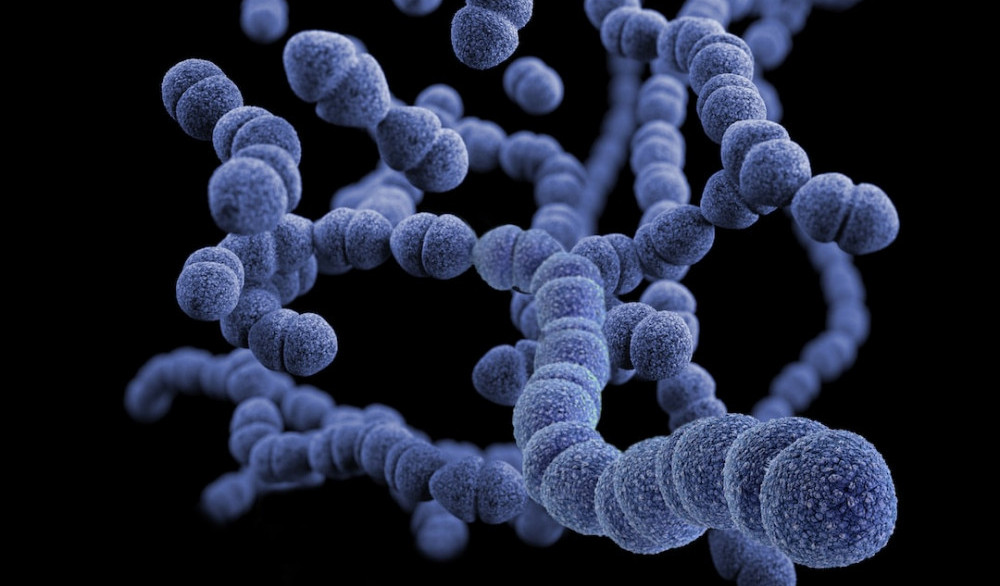
"All disease begins in the gut." is credited to Hippocrates more than two thousand years ago. Science and research are now just catching up with him. The gut is one of the most critical parts of our body. It is responsible for digestion and absorption, vital for a healthy lifestyle. A healthy gut keeps a balance by its ability to keep harmful bacterial out and beneficial bacteria in. However, this critical part of our body, the intestines, is protected by a single layer of special cells linked together by the tight junction or TJ proteins. They are the gatekeepers between the intestines and the bloodstream. They have a specific job of maintaining a delicate balance between letting vital nutrients enter your bloodstream and remaining small enough to prevent toxins and disease-causing substances from passing out of your gut and into the rest of your body. We rely on this super thin barrier to protect us and keep us healthy; however, sometimes that barrier gets perforated (for many reasons), and that's what we call "Leaky Gut Syndrome" when toxic material breaches the barrier and enters our bloodstream causing havoc wherever it ends up.
8) How Does Maintaining a Healthy Microbiome Affect Neurotransmitters?
Maintaining a healthy microbiome can lead to fewer symptoms 
and better overall health. As I have expressed throughout this post, an excellent way to achieve a healthy gut is through the consumption of fermented foods. These foods provide nutrients for the good bacteria in your "gut" and produce essential vitamins and enzymes like vitamin K, B12, folate, riboflavin, niacin, and biotin. In addition, it may be essential to maintain a healthy microbiome because there is a connection between the health of your gut and your neurotransmitters. Neurotransmitters are chemicals nerve cells use to communicate with one another and regulate moods such as depression and anxiety. Studies show that the microbiota of people with depression or other mental illnesses differed from those without these conditions. In addition, certain types of probiotics have shown promising results in improving mood disorders when administered along with psychotherapy or antidepressant treatment. However, further research will be needed before we have more conclusive evidence about this topic.
9) Not all store-bought fermented foods are naturally fermented
Not all store-bought fermented foods are good for you. Some are not naturally fermented but have been pasteurized with sugar added. Pasteurization kills the probiotic bacteria, making the food a less healthy option. This process damages the live enzymes and nutrients vital to your health. In addition, sugar is a simple carbohydrate that will turn into fat in your body when digested if consumed in excess. Therefore, most agree that avoiding excess sugar is a good idea.
In Conclusion
What's the best course of action to take here? First, learn to create your own naturally fermented foods. Then, make your fermented foods at home. Some are super easy to accomplish with a starter kit, and remember to use natural fermentation where possible! As a benefit, they will often taste better than anything you can buy at the grocery store! If there is one, the only downside is that time is not initially on your side when you're making this part of your lifestyle. Fermenting your foods can take days, weeks, or maybe months, but once you have it down, you can create a system of producing great products in batches at different scheduled times. Then you will have much shorter waiting periods between your batches and have all the products you want.
Join FREE & Launch Your Business!
Exclusive Bonus - Offer Ends at Midnight Today
00
Hours
:
00
Minutes
:
00
Seconds
2,000 AI Credits Worth $10 USD
Build a Logo + Website That Attracts Customers
400 Credits
Discover Hot Niches with AI Market Research
100 Credits
Create SEO Content That Ranks & Converts
800 Credits
Find Affiliate Offers Up to $500/Sale
10 Credits
Access a Community of 2.9M+ Members
Recent Comments
10


Thanks Jeff!
I'm glad you did! If it helps people it's worth doing the research.
Thanks again,
Kevin

An incredibly detailed article on something of vital importance to all of us. Thanks, Kevin.
Thank you Phil - much appreciated.
It is and not a lot of people are aware of it.
Thanks again,
Kevin
See more comments
Join FREE & Launch Your Business!
Exclusive Bonus - Offer Ends at Midnight Today
00
Hours
:
00
Minutes
:
00
Seconds
2,000 AI Credits Worth $10 USD
Build a Logo + Website That Attracts Customers
400 Credits
Discover Hot Niches with AI Market Research
100 Credits
Create SEO Content That Ranks & Converts
800 Credits
Find Affiliate Offers Up to $500/Sale
10 Credits
Access a Community of 2.9M+ Members
Great article!
I just posted an article on FODMAPs.
FODMAPs is an acronym for fermentable carbohydrates that are difficult for humans to digest because we lack the enzymes to break down some of them
These carbohydrates are believed to cause the chronic condition of IBS. They certainly exacerbate it.
FODMAP - Fermentable Oligosaccharides, Disaccharides, Monosaccharides and Polyols
I love to make Kefir! Tastes like buttermilk to me.
Kombucha. No thank you. >D
Tami
Thank you Tami!
That is very interesting, I know there are some un-digestable carbohydrates that are classified as prebiotics that help feed the bacteria. I'm assuming in some cases these FODMAP sugars pass through the body. But when some are traveling down the lower digestive tract they cause some havoc with some people. Because they aren't digestible and if the bacteria isn't wiping them out they probably leave a trail of fermentation throughout, which causes gas and bloating. That's an uneducated guess.
Haha - Love my Kombucha, I just can't look at it.
I grew up on buttermilk, probably why I love Kefir as well.
Thanks for the comment!
Kevin
'Haha - Love my Kombucha, I just can't look at it.'
That must be it! Slimy and ugh! haha!
Tami