What Happens When Uniqueness Disappears?


Published on September 16, 2026
Published on Wealthy Affiliate — a platform for building real online businesses with modern training and AI.


Fleeky mentioned something yesterday that caught my attention:
"Uniqueness disappeared… and that makes the difference." 😏
And I started wondering:
What actually happens when uniqueness disappears?
So instead of using an example that everyone knows, I decided to make one up.
Because sometimes the easiest way to understand a marketing concept is to create a product that doesn't exist.
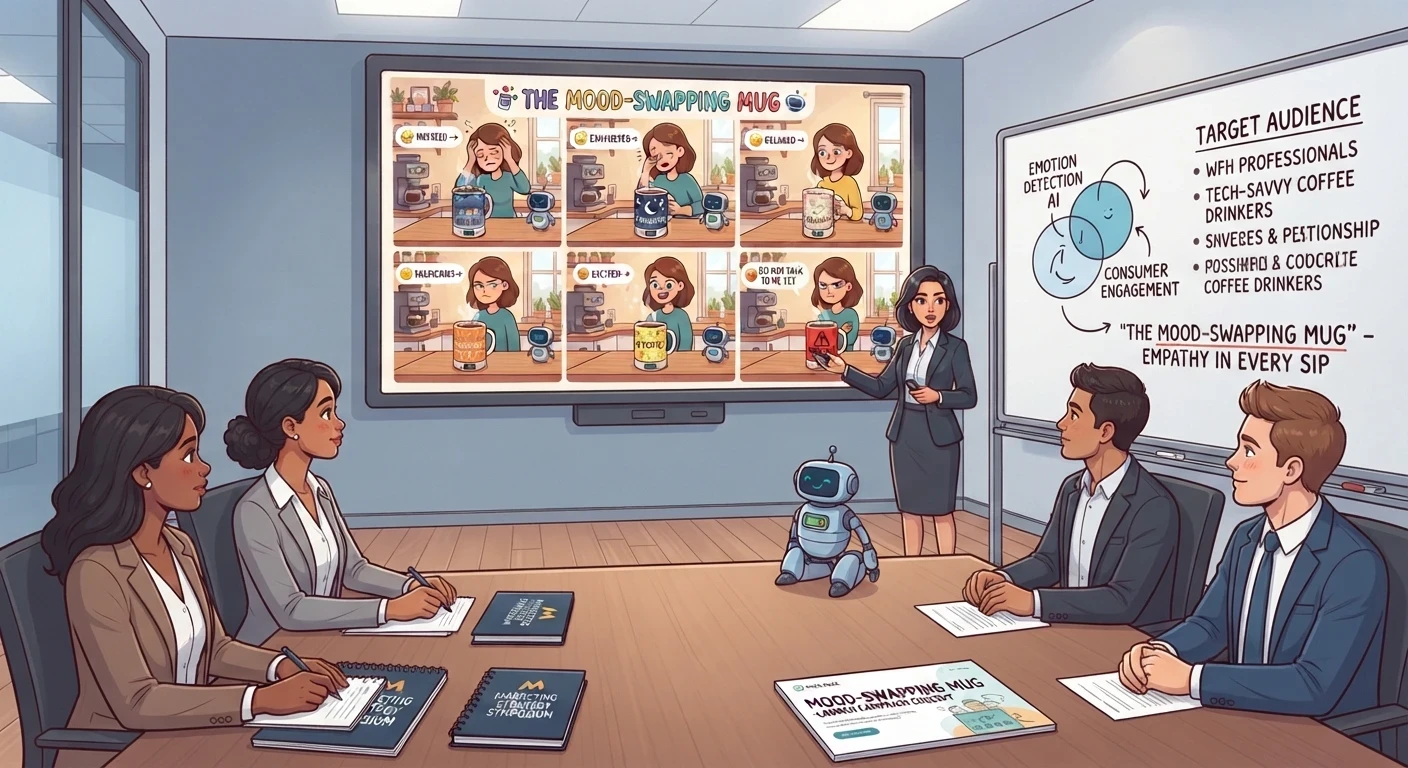
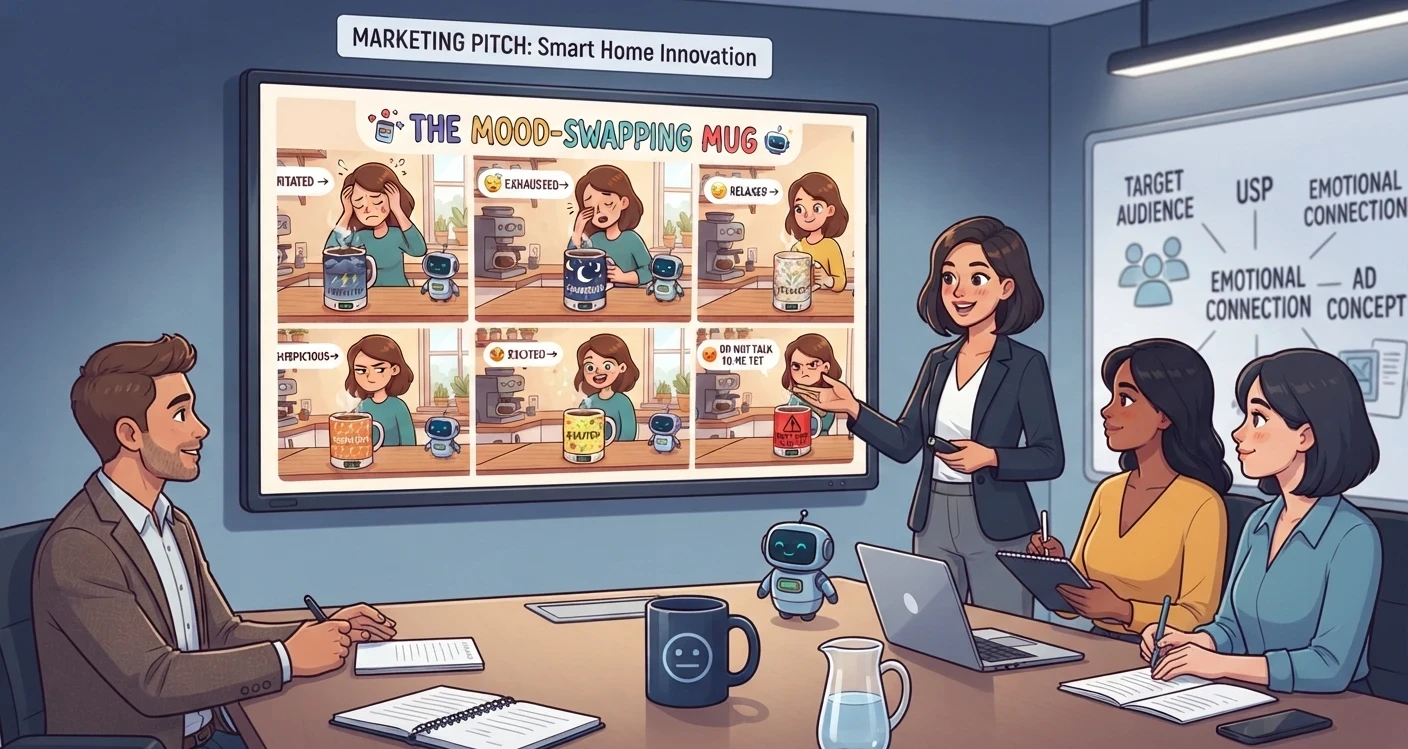
Meet The Mood-Swapping Mug.
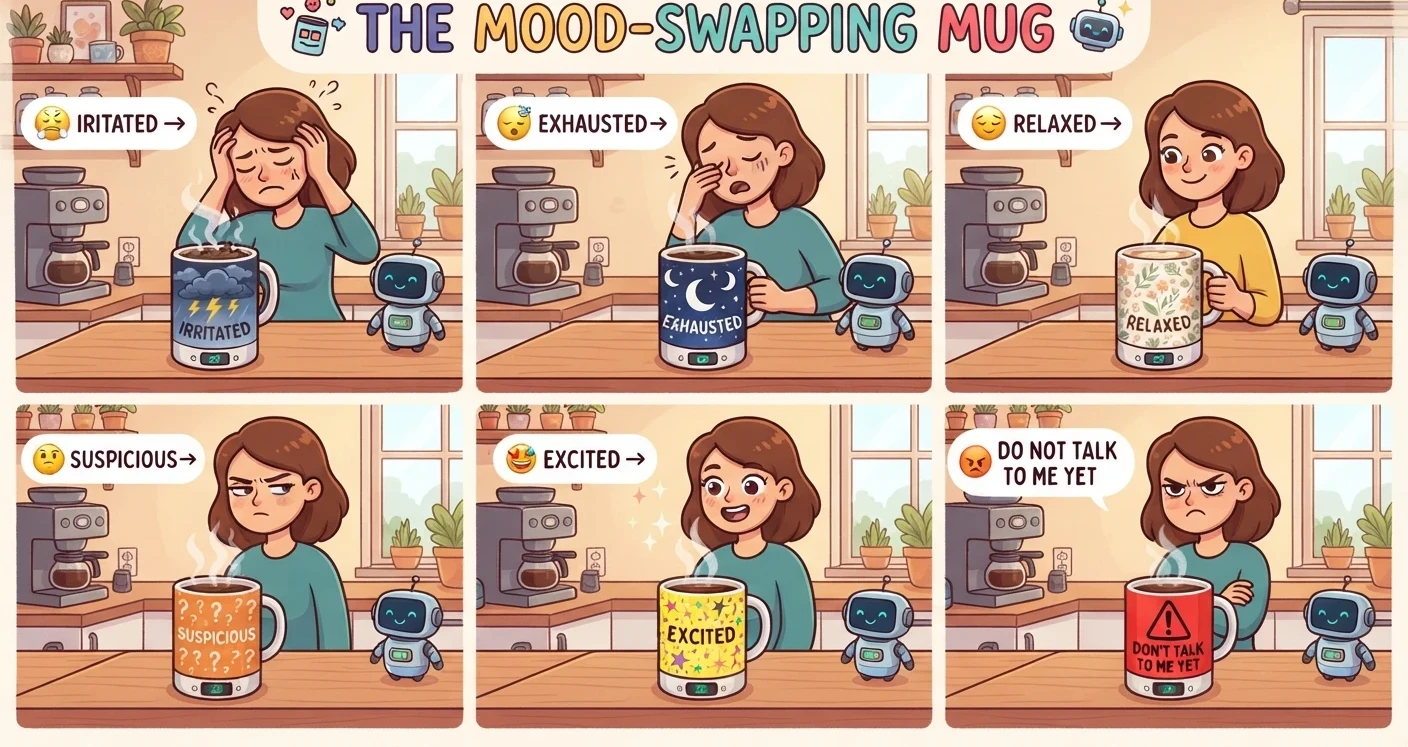
Imagine a coffee mug that can detect your mood.
Not through a button.
Not through an app where you manually select "happy" or "sad."
It picks up tiny changes in your facial expressions and voice and changes its design accordingly.
Tired?
The mug turns into a sleepy night scene 🌙
Annoyed?
Storm clouds appear ⛈
Happy?
The mug becomes covered in little stars ✨
And if you're particularly irritated in the morning , it can display:
"Do not speak to me until coffee."
Honestly, I might buy one.
But here's the interesting part:
It's Not Just A Mug Anymore.
There are thousands of coffee mugs.
A plain mug can hold coffee.
A fancy mug can look nice.
A personalised mug can have your name on it.
So if I entered the market saying:
Ready to put this into action?
Start your free journey today — no credit card required.
"I sell coffee mugs."
There isn't much separating me from everyone else.
But if I say:
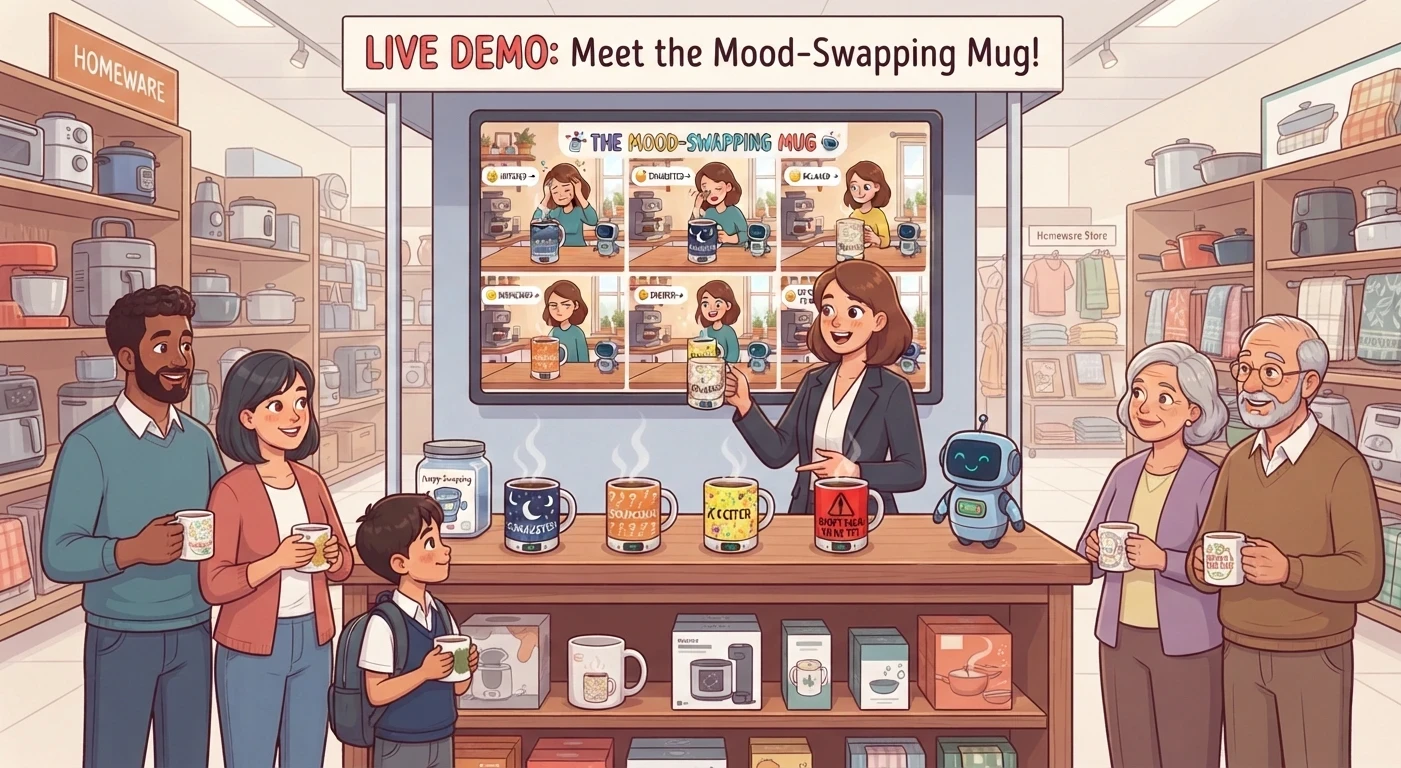
"I created a mug that reflects your mood before you've even said how you're feeling."
Now we have something different.
The product itself creates a point of differentiation.
But Is Being Unique Enough?
This is where I think Fleeky's comment becomes even more interesting.
Being unique doesn't automatically make something useful.
I could invent a mug that sings opera everytime you take a sip.
Unique? Absolutely.
Useful? I'm not convinced.
My family might ban me from the kitchen.
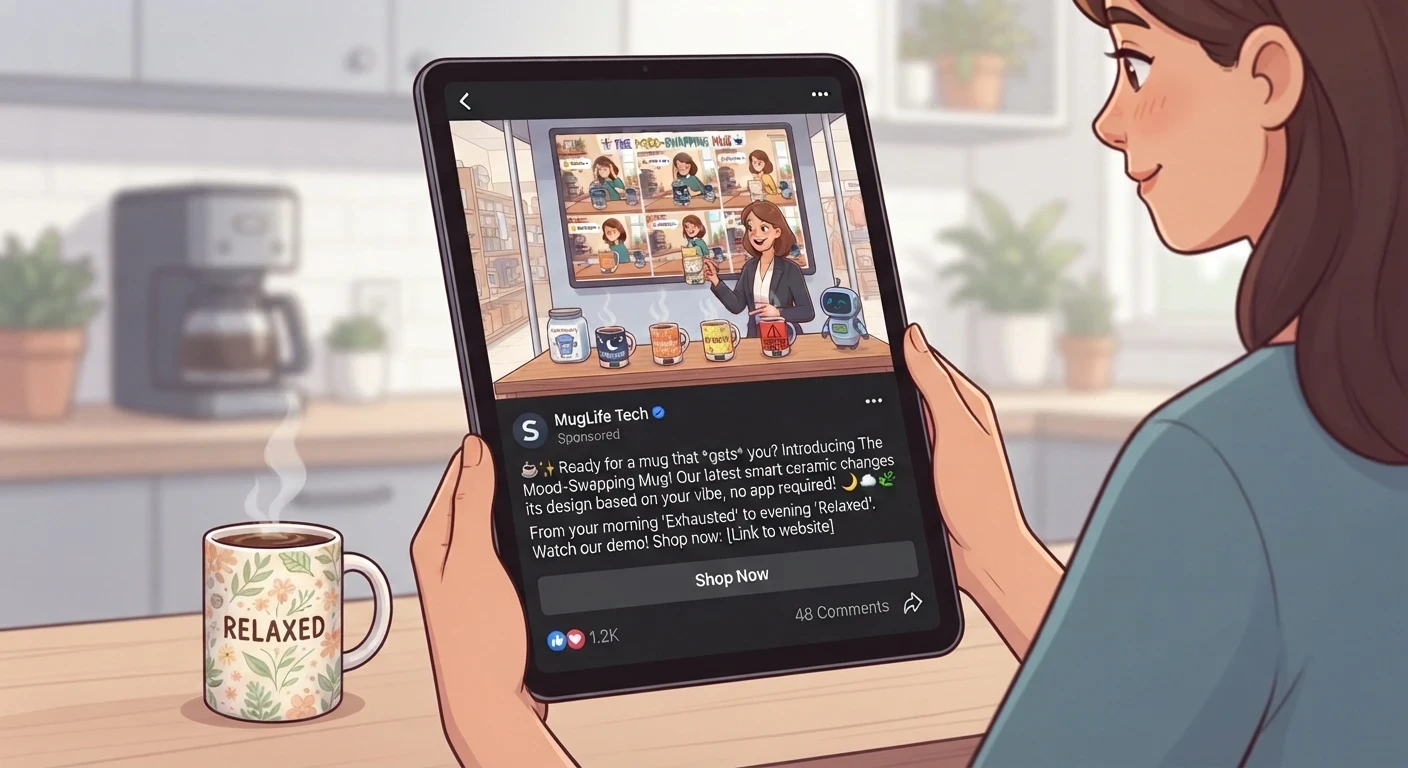
So uniqueness still has to connect back to the audience.
Who would want the Mood-Swapping Mug?
Maybe people who enjoy personalised products.
Maybe people working from home who want a visual way to communicate their emotions.
Maybe even people who want their coffee mug to have more personality than they do before 9 AM.
The point is that uniqueness creates curiosity, but the offer still needs a reason for someone to care.
This Brings Me Back To The Three Ideas.
The more I think about Fleeky's question, the more I see these concepts as connected:
Discoverability: Can people find the offer?
Differentiation: What makes them notice it instead of everything else?
Usefulness: Does the offer actually meet something they need or want?
Uniqueness: What makes the offer distinctly its own thing?
And perhaps uniqueness isn't always about inventing something nobody has ever imagined before.
Sometimes it's about combining familiar things in a way the audience hasn't seen from you before.
The Mood-Swapping Mug is still a mug.
It still holds coffee.
But the experience around it is different.
Maybe Uniqueness Isn't The Destination.
That's what I'm taking away from this.
I don't think the goal should be:
"How do I make this thing completely unique?"
It might be a better question to ask:
"What can I offer that feels meaningfully different to the audience I'm trying to reach?"
Because you can have the strangest product in the world and still have no reason for someone to want it.
And you can take something incredibly ordinary and change the way people experience it.
So perhaps uniqueness isn't about being bizarre for the sake of being bizarre.
It's about creating a reason for someone to think:
I've seen this category before... but I've never seen it offered quite like this."
And apparently, somewhere along the way, my imaginary coffee mug became a marketing case study.
I'll take it 
Share this insight
This conversation is happening inside the community.
Join free to continue it.The Internet Changed. Now It Is Time to Build Differently.
If this article resonated, the next step is learning how to apply it. Inside Wealthy Affiliate, we break this down into practical steps you can use to build a real online business.
No credit card. Instant access.