The Importance Of A Rainy Day Fund


Published on January 4, 2026
Published on Wealthy Affiliate — a platform for building real online businesses with modern training and AI.
Here’s a Thought
“Most financial crises don’t announce themselves — they arrive quietly, uninvited, and at the worst possible time.”
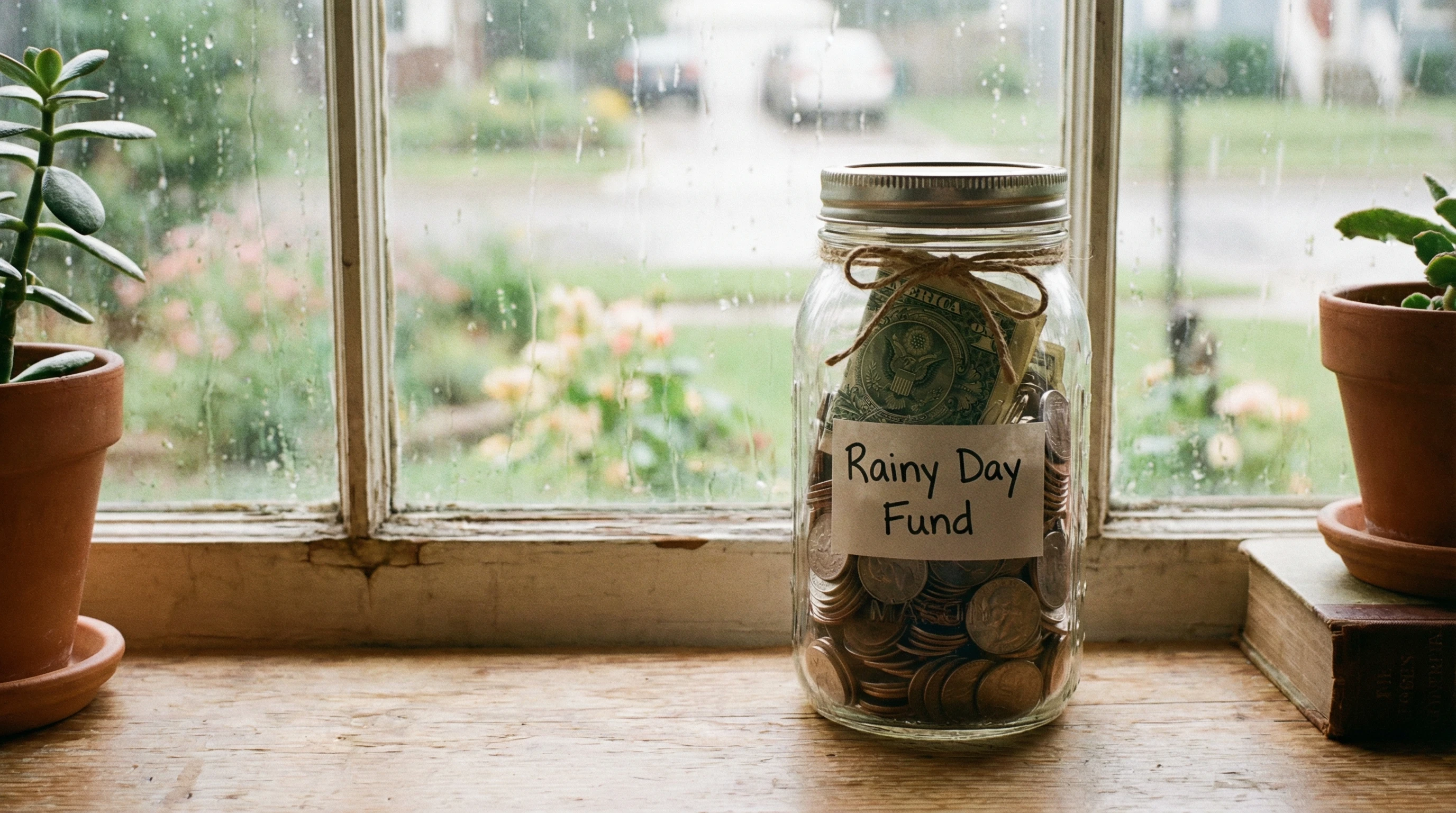
A rainy day fund is one of those personal finance basics I really wish I’d paid attention to earlier in my adult life. It’s not about preparing for a financial apocalypse. It’s more about having a comfortable cushion for unexpected stuff that can (and often does) pop up. Things like car repairs, dentist bills, or a busted fridge never seem to arrive at a good time. A rainy day fund makes these surprises a bit less stressful.
Why a Rainy Day Fund Matters for Everyday Life
The whole point of a rainy day fund is having a financial backup for those everyday surprises. It’s not meant for big emergencies like losing your job (that’s what an emergency fund is for), but more the not-so-dramatic things that still throw your finances for a loop. Think stuff like your tires wearing out all at once, a sudden vet visit for your dog, or being asked to pay a small deductible at the doctor.
I’ve found that having money set aside, even a small amount, can really lower stress. When you know you’ve got a stash for these mini-crises, you’re less likely to reach for your credit card and pile up debt just to get back to normal.
A rainy day fund helps cover these unpredictable costs quickly, letting you stay on track with your budget and longer term financial goals. Knowing you have something reserved just for life’s annoying surprises can help you feel way more in control.
Defining a Rainy Day Fund: What It Really Means
A rainy day fund isn’t just a jar of spare change (though that’s a solid starting point). It’s a stash of money you specifically set aside for small but sudden expenses. This could be a separate savings account or even an envelope with cash that you don’t touch unless something unexpected happens.
The main difference between a rainy day fund and a regular emergency fund is the size and purpose. Emergency funds are usually much larger and intended for big life shocks, like losing a job or dealing with a health crisis. Rainy day funds are more for “I need to fix the car now but payday isn’t for another week” moments.
For most people, a rainy day fund is best stored somewhere easy to access, but not so easy that you’ll dip into it for pizza night. Online savings accounts are pretty handy since they let you stash cash away and sometimes even earn some interest.
What’s the 3 6 9 Rule Of Money?
The 3 6 9 rule is a super simple way to get your savings organized:
- 3 Months: Start by having at least three months’ worth of essential expenses in your emergency fund. This helps you cover the basics if your income is interrupted for a while.
- 6 Months: If you want a little more cushion, aim for six months of expenses in your emergency fund. This is especially helpful if you have a family or an unstable job situation.
- 9 Percent (or 9 Steps): Sometimes, the 9 in this rule is used to highlight savings for smaller, more frequent needs, like a rainy day fund. It’s not a hard rule, but some folks suggest building your rainy day savings in steps, starting with $500 or saving 9% of each paycheck until you hit a comfortable amount.
For a rainy day fund, the 3 6 9 rule reminds you to handle big emergencies and those smaller surprises. It helps turn saving into a habit, not just a one-time fix.
Ready to put this into action?
Start your free journey today — no credit card required.
Why Rainy Day Savings Are Really Important
Stuff rarely goes exactly as planned, and that’s why rainy day funds come in clutch. Some of the biggest perks I’ve experienced (and seen in others) include:
- Avoiding Debt: Without a buffer, it’s super tempting to swipe the credit card. A rainy day fund makes it easier to handle surprise expenses without adding to what you owe.
- Less Stress: Money worries stack up fast. When you know you’re covered for random expenses, you can focus your mental energy on things that matter a lot more.
- Sticking to Bigger Goals: If every “mini crisis” blows a hole in your monthly budget, you’re never going to get ahead. With a backup fund, you can protect your vacation savings, retirement goals, or other long term plans.
- Building Confidence: Having a rainy day fund feels honestly empowering. Every time you tap it for something tough and refill it later, you prove to yourself that you can handle whatever life throws at you.
No matter how careful you are with your budget, surprises happen. Rainy day savings smooth out the bumps and keep your plan intact, which is honestly pretty reassuring.
Do You Actually Need a Rainy Day Fund?
It might seem like overkill, especially if you’re already working on building a big emergency fund or paying off debt. But I’ve noticed that most people—even those with stable jobs—reach for the credit card more often than they’d like just to handle small emergencies.
If your budget feels like it’s always stretched, a rainy day fund gives you room to breathe. It’s not about having thousands saved up overnight. Even a couple hundred bucks can keep you from scrambling when something breaks or an extra bill shows up.
Everyone’s situation is different, but almost anyone can benefit from a rainy day fund. You don’t have to save a fortune to get real peace of mind. The trick is to start somewhere, like $10 here or $20 there, and keep building when you can.
How Much Money Should You Put In Your Rainy Day Fund?
There’s no perfect answer, but I shoot for about 5% to 10% of my take home income in my rainy day fund. For most people, having $500 to $1,000 set aside covers a lot of the random expenses that pop up during the year. If you’ve got a bigger household, own a car, or rent your own place, saving closer to $1,000 or a bit more is safer.
Think about what typically “goes wrong” in your life. If your dog’s vet bills are the main surprise, factor that in. If you live in an apartment and don’t drive, your fund can probably be smaller.
The key is to find a number that feels manageable to save up and big enough to handle the things that worry you most. Tracking surprise expenses for a couple months can help you dial in the right number for your life.
Remember, the point isn’t to build it all overnight, but to start small and stay consistent. Even if you hit $50 per month, you’ll have a few hundred dollars stashed in just half a year. Try setting up a goal in your banking app or budgeting tool. That little progress bar can make saving feel more rewarding.
Smart Ways to Build (and Refill) A Rainy Day Fund
Building your fund is all about being realistic and sticking with steady habits. Here’s what works for me and for people I know:
- Automate Your Savings: Set up a recurring transfer from your checking to your savings each payday. If you never see it in your checking account, you probably won’t miss it.
- Use Side Hustle Earnings: If you pick up any extra work, or get birthday money or a tax refund, stash a chunk straight into your fund.
- Trim an Expense or Two: Cancel a subscription you barely use or swap takeout for homecooked meals one night per week, then move the savings. Even five bucks at a time adds up.
- Round Up Apps: Banking apps that “round up” your purchases and save the change are low effort ways to pad your fund without much thought. Many apps and banks let you round up to the nearest dollar and transfer the spare change into a savings account automatically.
You can also add any “found money,” like cash gifts, rebates, or small windfalls, directly to your rainy day fund. Every extra dollar helps. Any time you dip into your rainy day fund, make it a priority to refill it as soon as you can. Treating it like a bill you owe yourself keeps the safety net strong. If you ever get discouraged by a slow start, just remember that progress—even just a few dollars at a time—will build real security after a few months.
Rainy Day Fund FAQs
What happens if I accidentally spend my rainy day fund on something fun?
That’s happened to me before. If you use the money (on purpose or by mistake), don’t sweat it. Just start refilling again. Use a separate account so you’re not as tempted to double dip.
How is a rainy day fund different from emergency savings?
Your rainy day fund is for little, annoying stuff, usually under $1,000. Emergency savings are for much bigger problems, like losing your income or dealing with a medical crisis.
Should my rainy day fund be in cash or a savings account?
I like using a savings account, since it’s safe and a bit less tempting to touch. But some people keep a small amount in cash at home for super quick access.
Can I just use my credit card instead of having a fund?
Credit cards fill the gap, but any unexpected balance means interest charges later. Having cash set aside means freedom from those extra fees, and less stress overall.
Wrapping Up
Rainy day funds might not feel eye-catching, but they keep everyday hiccups from derailing your budget and peace of mind. No matter where you’re starting from, even small steps add up. Just make saving automatic and don’t stress the setbacks; eventually, you’ll be glad you did. Take the first step now, and you’ll thank yourself later every time life throws a little storm your way.
Share this insight
This conversation is happening inside the community.
Join free to continue it.The Internet Changed. Now It Is Time to Build Differently.
If this article resonated, the next step is learning how to apply it. Inside Wealthy Affiliate, we break this down into practical steps you can use to build a real online business.
No credit card. Instant access.