Hooked on Habitats: The Best Way to Introduce Children and Young Adults to Tropical Fishkeeping


Published on May 29, 2026
Published on Wealthy Affiliate — a platform for building real online businesses with modern training and AI.

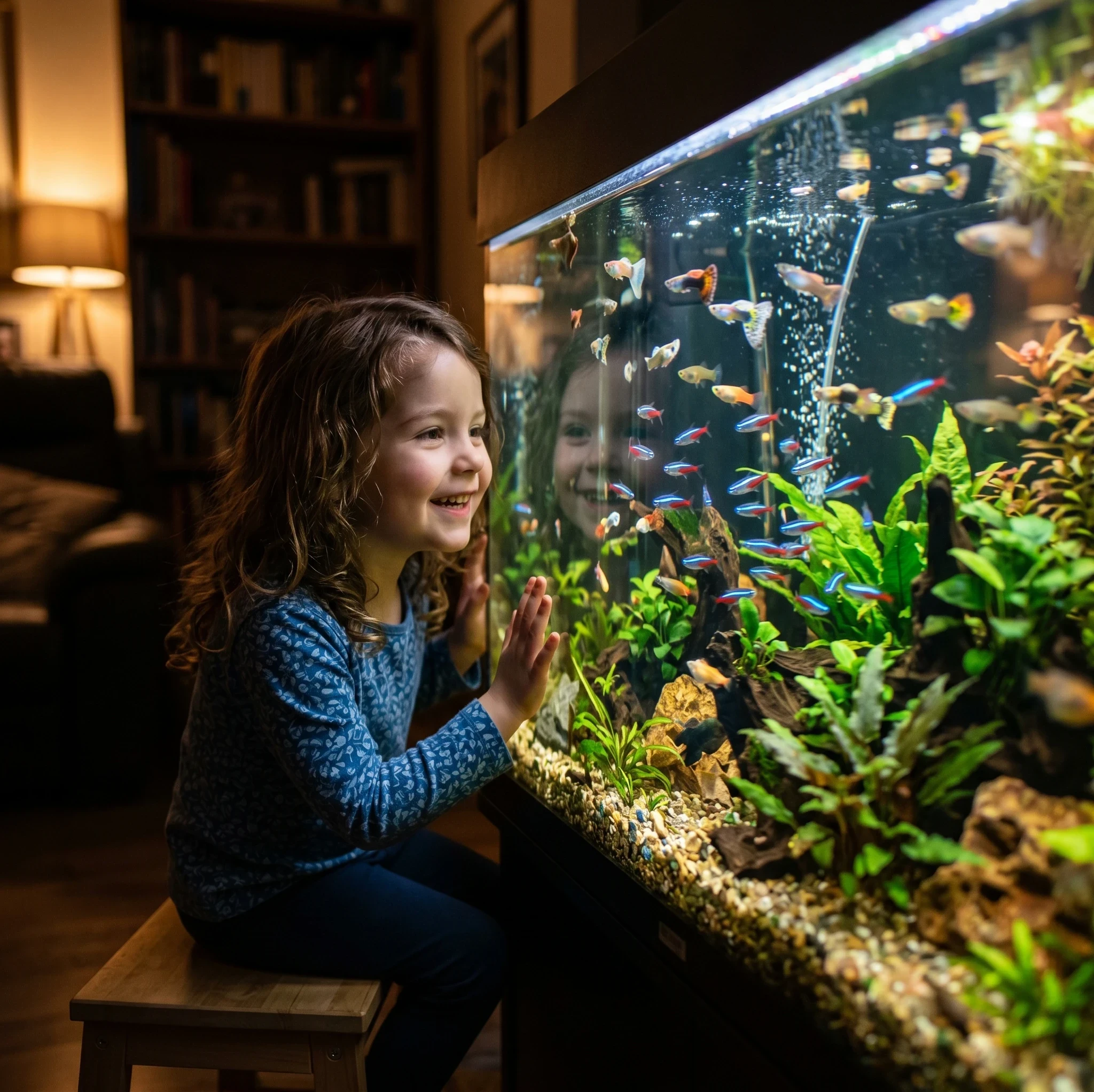 “A happy child watching a colorful tropical aquarium filled with guppies and neon tetras, cinematic lighting, realistic”
Let’s be honest…
Most kids today can operate a smartphone faster than adults can find the settings menu. 😂
But ask them how an ecosystem works, why water chemistry matters, or how to care for a living creature consistently…
…and suddenly things get interesting.
That’s why tropical fishkeeping is such an underrated hobby for children and young adults.
A fish tank is not just “pretty decoration.”
It becomes:
- A science experiment
- A responsibility lesson
- A geography class
- A stress reliever, and
- Occasionally… an emotional support guppy 🐠
The best part?
Kids usually become fascinated the moment colorful fish start swimming around.
Start Outside the Tank First
One of the biggest mistakes parents make is rushing out and buying a tiny bowl immediately.
Instead, build curiosity first.
Great Starter Experiences:
- Visit a public aquarium
- Explore a local fish store
- Watch reef or Amazon documentaries
- Look at aquascaping videos together
Children connect emotionally before they connect technically.
The wonder comes first.
The learning follows naturally.
The Biggest Beginner Mistake: Tiny Tanks
Ironically, the smaller the tank…
the HARDER it is to maintain.
Tiny bowls fluctuate rapidly in:
- Temperature
- Oxygen
- Water chemistry
That usually leads to stressed fish and discouraged beginners.
The Sweet Spot for Beginners
The ideal starter aquarium is:
- A 10-gallon tank
OR - A 20-gallon long aquarium
Why?
Because larger tanks are:
- More stable
- Easier to maintain
- More forgiving of mistakes
Think of it like this:
A small tank is balancing on a tightrope.
A larger tank is balancing on a sidewalk.
Match the Fish to the Child’s Age
Not every fish works for every age group.
And not every child should start with a high-maintenance aquatic drama queen. 😅
Ages 4–9: Keep It Bright and Fun
Best Fish:
- Fancy Guppies
- Platies
- GloFish
These fish are colorful, active, and easy to observe.
Ready to put this into action?
Start your free journey today — no credit card required.
Key lesson:
Gentle feeding and respecting living creatures.
Parents will still handle most maintenance.
Ages 10–12: Introduce Ecosystems
Best Fish:
- Neon Tetras
- Corydoras Catfish
- Harlequin Rasboras
At this age, kids can start learning:
- Water changes
- Basic tank cleaning
- Nitrogen cycle concepts
Yes…
fishkeeping secretly turns children into scientists.
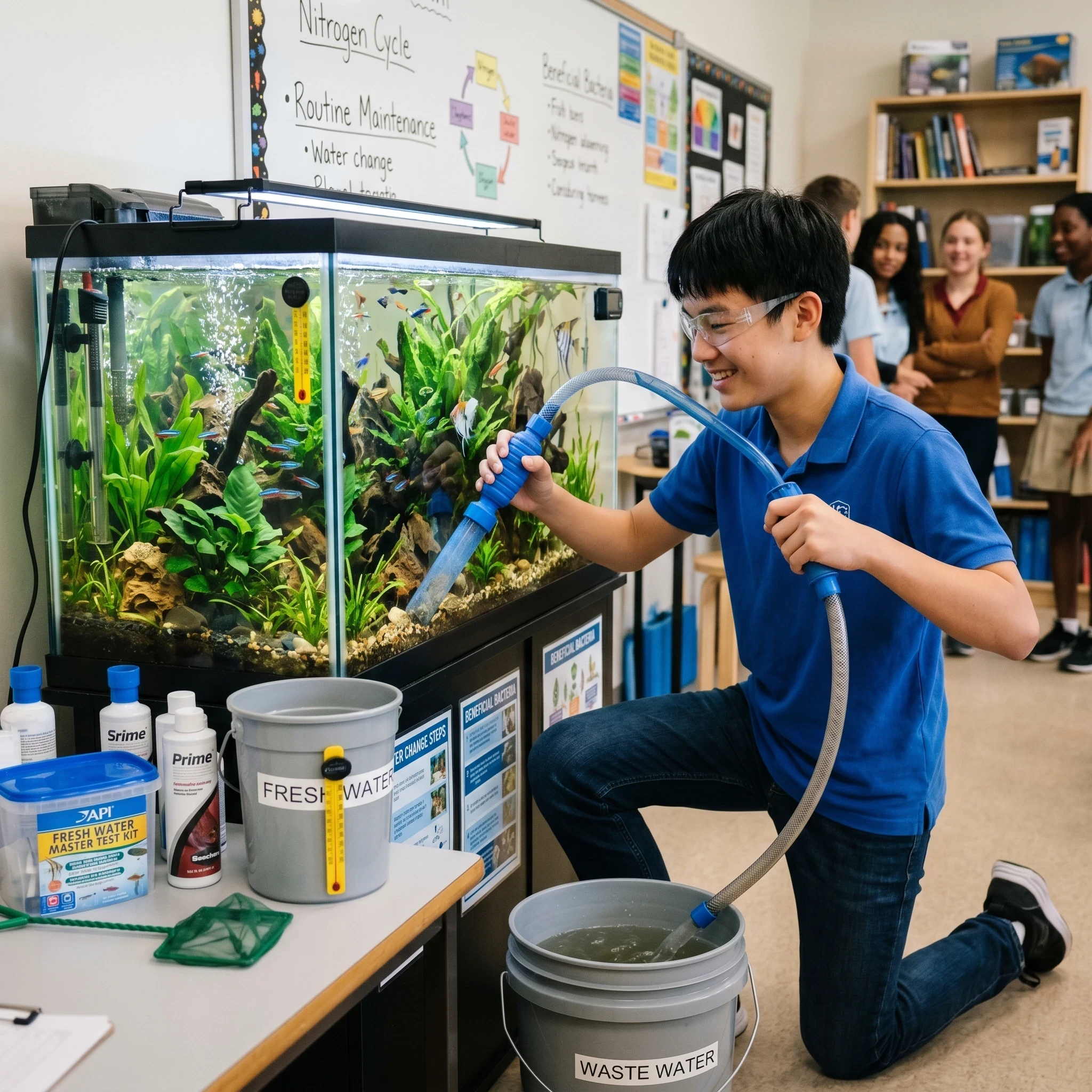 “Young teenager performing a water change on a tropical fish tank, educational and fun atmosphere”
Teens and Young Adults: Full Responsibility Mode
This is where the hobby gets REALLY exciting.
Teens can learn:
- Aquascaping
- Breeding projects
- Water testing
- Budget management
Best Choices:
- Betta tanks
- Shrimp colonies
- Peaceful community tanks
At this stage, fishkeeping becomes creativity mixed with biology.
Gamify the Science
The trick is making learning interactive.
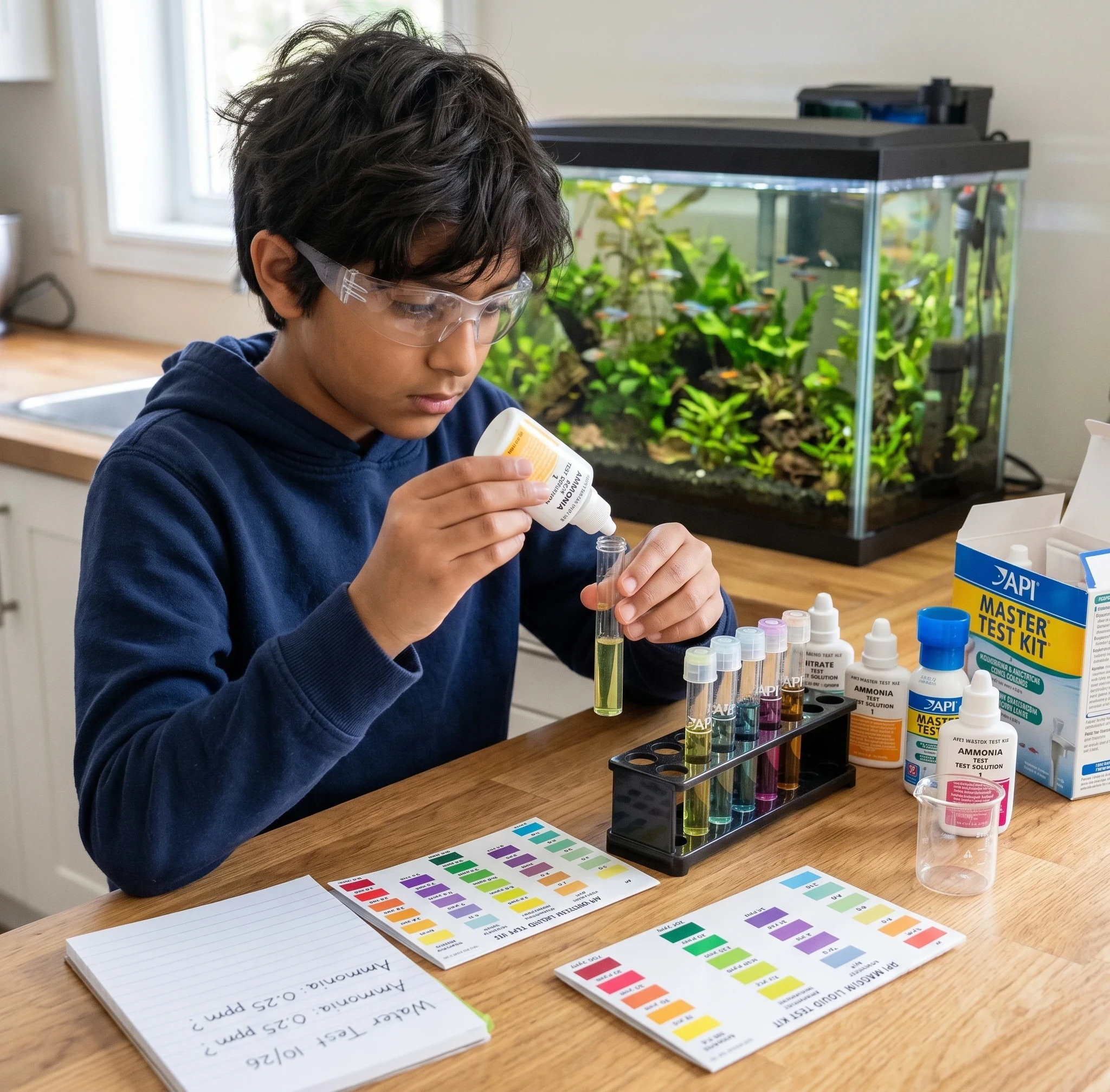 “12 year old child using aquarium liquid water test kit like a science experiment”
Fun Ideas:
✔ Use liquid test kits like chemistry labs
✔ Track fish growth monthly
✔ Research where species originate
✔ Build themed habitats
A Betta tank suddenly becomes:
“Southeast Asia in a glass box.”
A Neon Tetra tank becomes:
“A miniature Amazon River.”
That changes everything.
Prevent the #1 Aquarium Disaster: Overfeeding
Fish are masters of emotional manipulation.
They ALWAYS look hungry.
Always.
Kids quickly learn:
“Just because the fish begs… doesn’t mean the fish needs snacks.”
Use:
- Daily feeding checklists
- Pill organizers for food portions
This prevents accidental “fish buffets.”
Why This Matters Beyond Fishkeeping
Tropical fishkeeping teaches:
- Patience,
- Routine,
- Observation,
- Responsibility, and
- Emotional connection to nature.
And surprisingly…
Those same skills help tremendously in online business and entrepreneurship.
Both require:
- Consistency,
- Long-term thinking,
- Daily maintenance, and
- Learning from mistakes.
Funny enough, successful websites and successful aquariums have a lot in common.
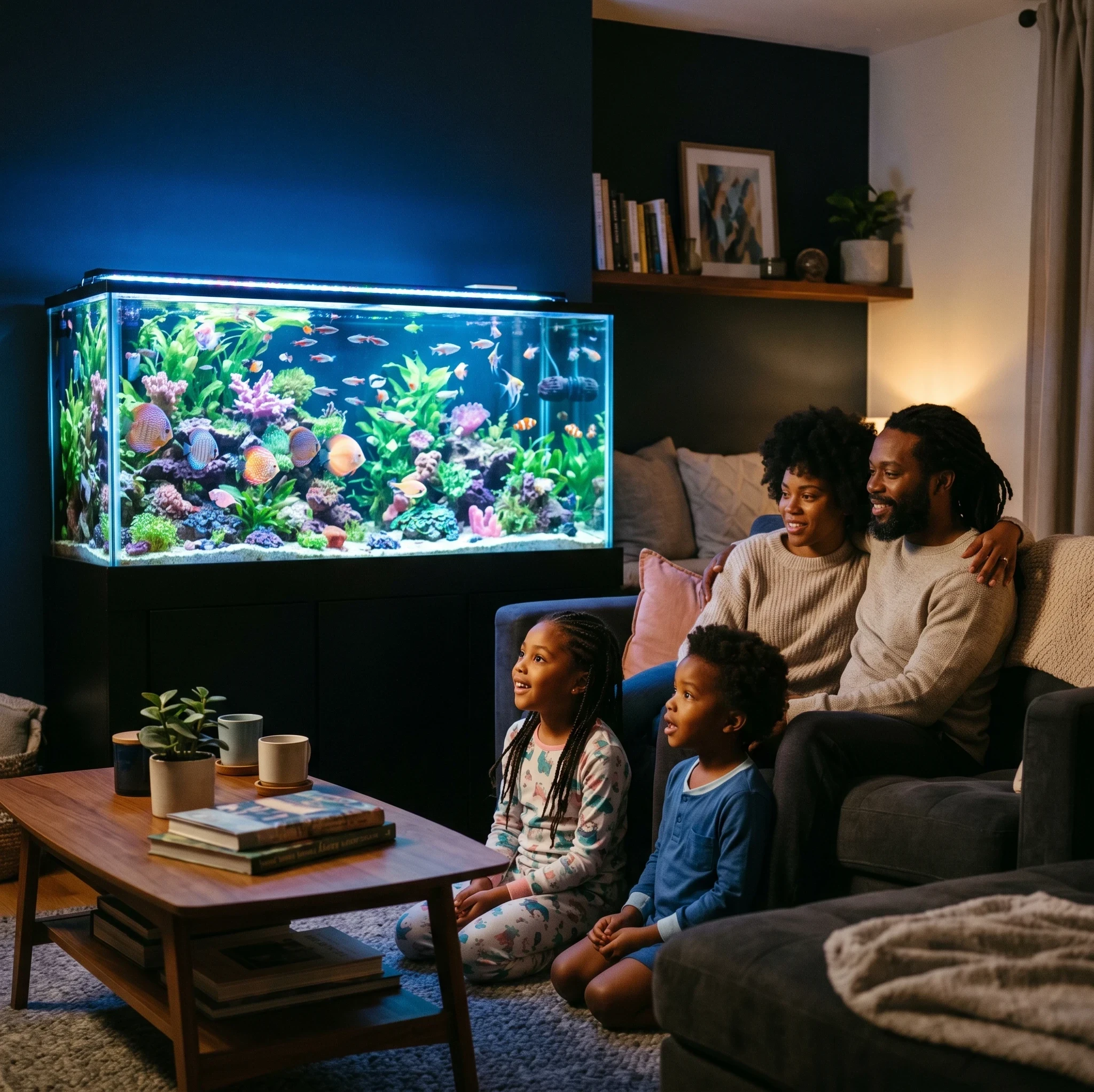 “Beautiful family-friendly tropical aquarium glowing peacefully in a living room”
Final Thoughts
Introducing children to tropical fish is not really about fish.
It’s about teaching:
Care.
Patience.
Responsibility.
Curiosity.
And
In a world filled with endless scrolling and short attention spans…
a peaceful aquarium might be one of the healthiest hobbies a young person can experience.
CTA
Did YOU grow up with a fish tank?
Or are you thinking about introducing your children to the hobby?
Drop your favorite beginner fish in the comments below 👇
And if you’re building a website or online business around your passions, Wealthy Affiliate can help you turn hobbies like tropical fishkeeping into educational content, affiliate income, and long-term digital opportunities.
BONUS FEATURE
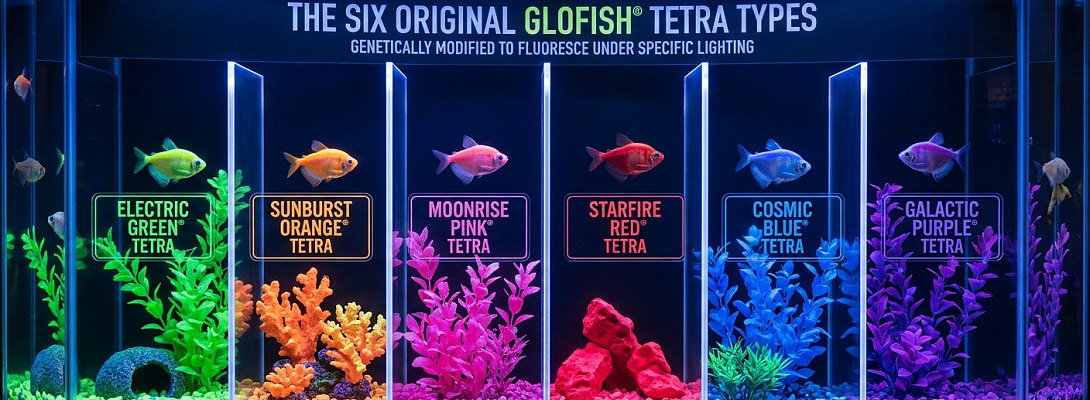
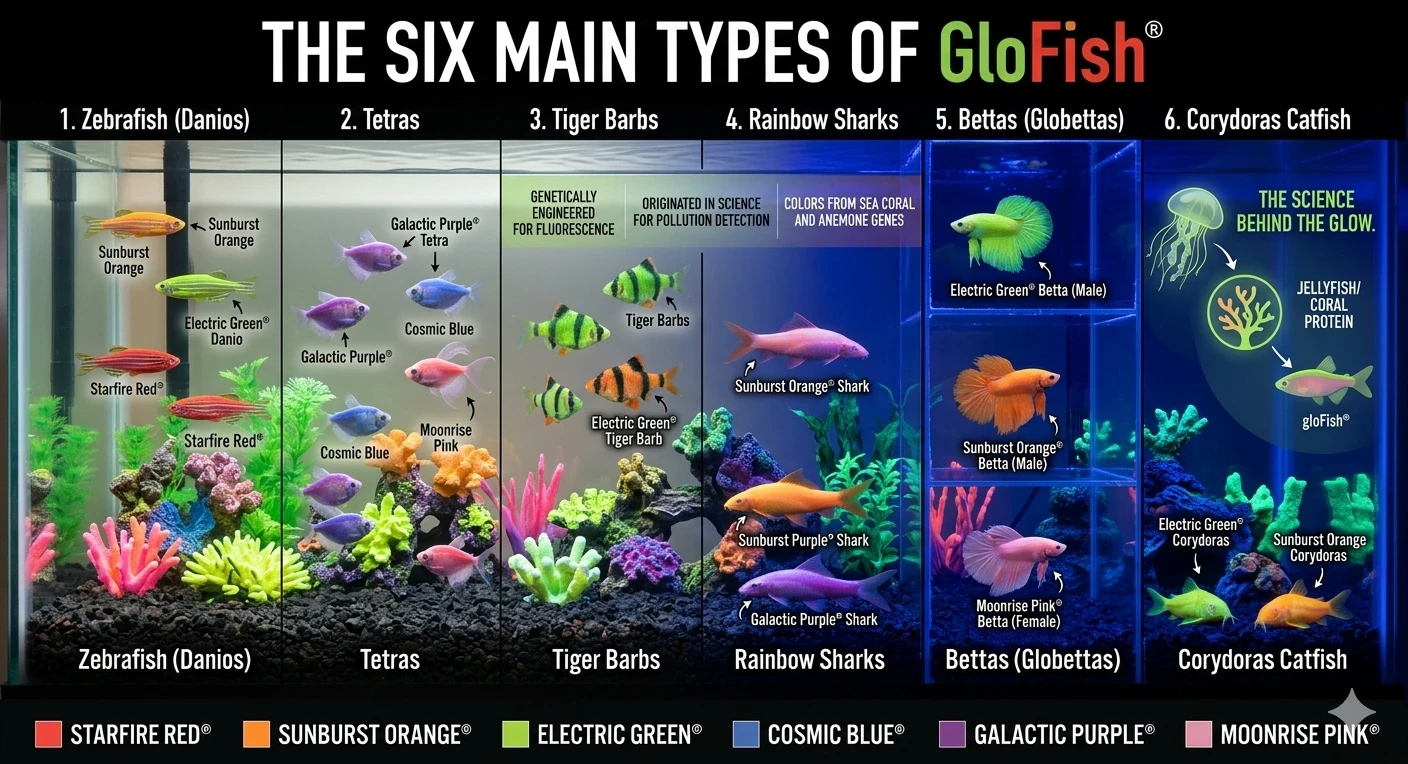
Science Note: Below is shown the only genetically modified fish in the hobby today.
GloFish glow because scientists added specific fluorescent protein genes from marine organisms—such as jellyfish and sea anemones—into the fishes' DNA at the embryonic stage.
Share this insight
This conversation is happening inside the community.
Join free to continue it.The Internet Changed. Now It Is Time to Build Differently.
If this article resonated, the next step is learning how to apply it. Inside Wealthy Affiliate, we break this down into practical steps you can use to build a real online business.
No credit card. Instant access.