Commercial AI vs Military AI: Same Technology, Very Different Consequences


Published on January 25, 2026
Published on Wealthy Affiliate — a platform for building real online businesses with modern training and AI.
Artificial intelligence doesn’t change when it crosses borders — intent does.
The same AI models that recommend movies, detect fraud, and personalize ads are also being adapted to guide drones, analyze battlefields, and accelerate military decision-making. While the underlying technology may look identical, the stakes, ethics, and consequences could not be more different.
So where exactly does commercial AI end and military AI begin — and why does that distinction matter now more than ever?
What Is Commercial AI?
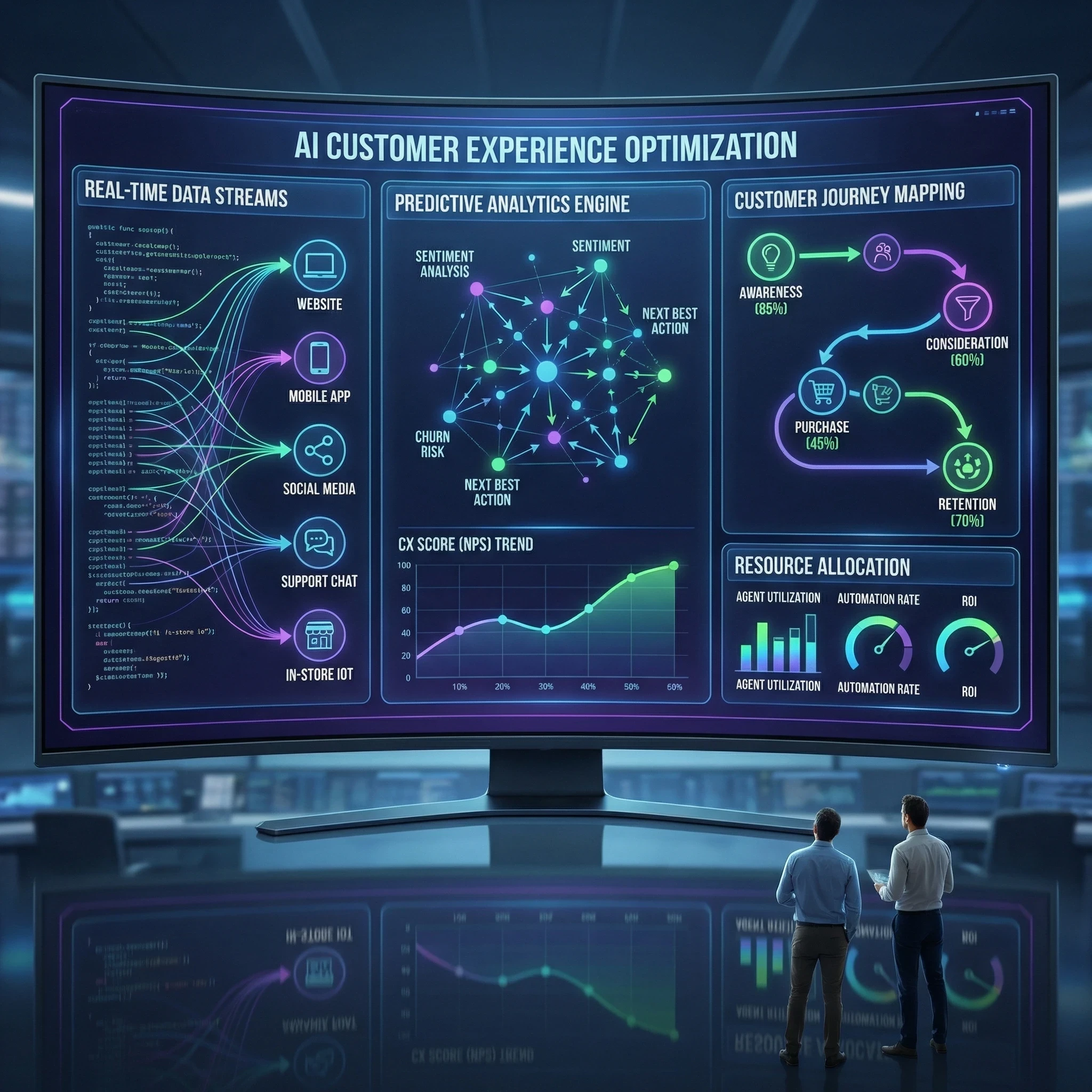
Commercial AI refers to artificial intelligence systems developed for business, consumer, and enterprise applications, with the primary goal of improving efficiency, engagement, and profitability.
Common Uses of Commercial AI
- Recommendation engines (eCommerce, streaming platforms)
- Customer service chatbots
- Predictive sales and demand forecasting
- Fraud detection and cybersecurity
- Ad targeting and content personalization
Primary objective: Optimize user experience and business outcomes.
What Is Military AI?
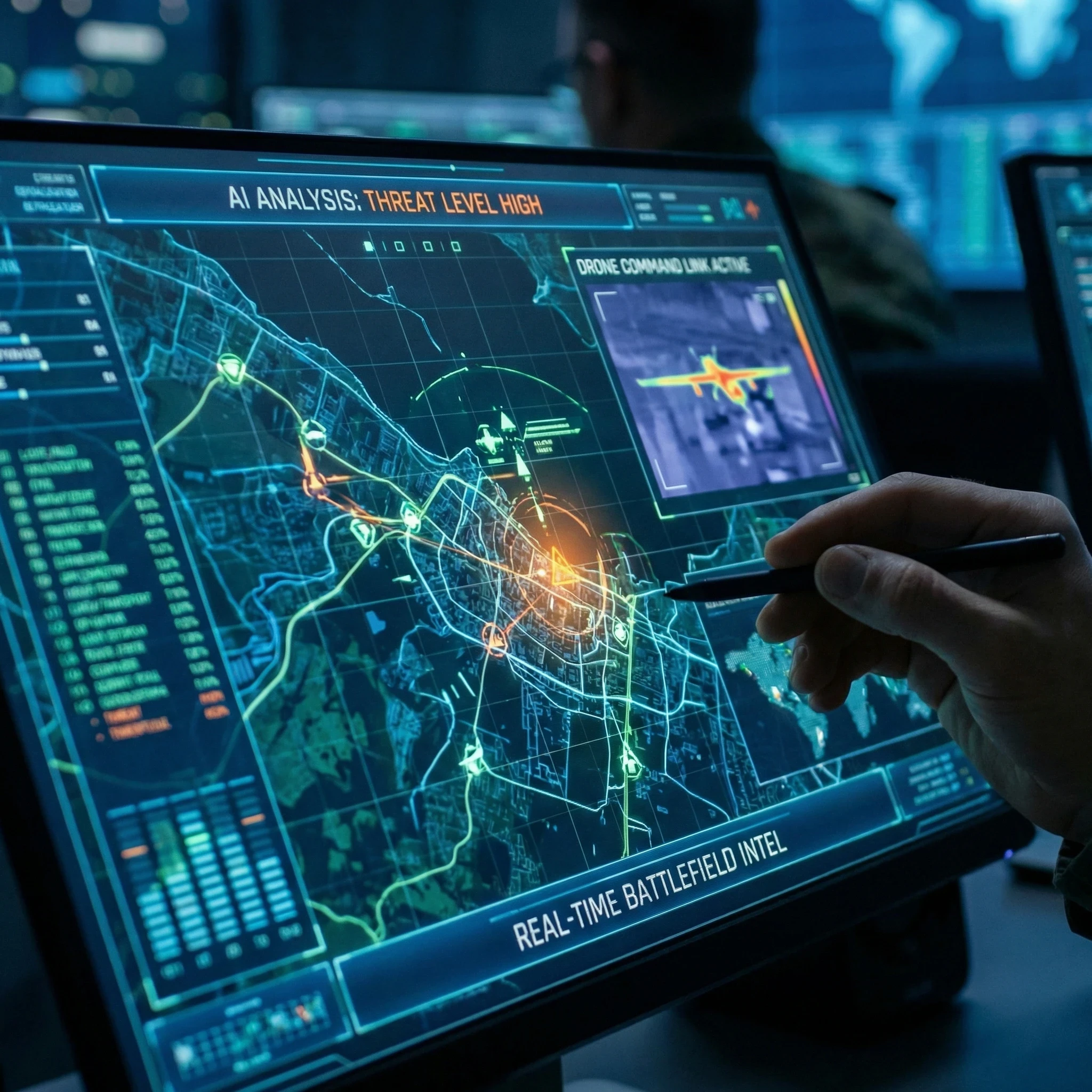
Military AI is designed for defense, security, and combat-related decision-making, where speed, accuracy, and strategic advantage are critical.
Common Uses of Military AI
- Autonomous drones and vehicles
- Target recognition systems
- Intelligence analysis and threat detection
- Cyber warfare tools
- Logistics and battlefield optimization
Primary objective: National security and strategic dominance.
Core Differences Between Commercial AI and Military AI
1. Purpose and Intent
Aspect Commercial AI Military AI
Primary Goal Efficiency & Profit Strategic Advantage
End User Consumers & Businesses Governments & Armed Forces
Failure Impact Financial or Reputational Loss of Life, Escalation
2. Risk Profile
Commercial AI risks include:
- Privacy violations
- Algorithmic bias
- Consumer manipulation
- Job displacement
Military AI risks include:
Ready to put this into action?
Start your free journey today — no credit card required.
- Autonomous lethal decisions
- Misidentification of targets
- Rapid escalation of conflict
- Reduced human oversight in warfare
The difference isn’t scale — it’s consequence.
3. Speed vs Oversight
Commercial AI thrives on:
- Rapid iteration
- “Fail fast” development cycles
- Continuous optimization
Military AI demands:
- Near-zero failure tolerance
- Strict human-in-the-loop controls
- Reliability under extreme conditions
What works in a marketplace can be catastrophic on a battlefield.
Data Sources and Ethical Boundaries
Commercial AI Data
- Browsing behavior
- Purchase history
- User engagement metrics
- Location and preference data
Ethical debates focus on consent, transparency, and fairness.
Military AI Data
- Satellite imagery
- Signals intelligence
- Surveillance feeds
- Classified sources
Ethical debates focus on accountability, international law, and human agency in lethal decisions.
Accountability: Who Is Responsible When AI Fails?
Commercial AI Accountability
- Corporate liability
- Regulatory fines
- Loss of public trust
Military AI Accountability
- Political responsibility
- International law implications
- Diplomatic fallout or conflict escalation
When AI is used in war, accountability cannot be rolled back with a software update.
Dual-Use AI: Where the Line Blurs
Many AI technologies are dual-use, meaning they can serve both civilian and military purposes:
- Image recognition
- Natural language processing
- Robotics
- Autonomous navigation
- Cybersecurity systems
This overlap is why governance, transparency, and global norms are becoming urgent issues in 2026 and beyond.
Can Commercial and Military AI Be Complementary?
Yes — but only with clear boundaries.
Commercial AI innovation often drives:
- Faster model development
- Better hardware efficiency
- Scalable architectures
Military AI relies on these advances — but must apply stricter ethical frameworks and human oversight.
Without separation, the risk isn’t technological — it’s moral.
Future Outlook: AI in 2026 and Beyond
- Commercial AI will continue expanding into personalization, automation, and decision support.
- Military AI will increasingly focus on decision augmentation, not full autonomy.
- International pressure is growing to restrict fully autonomous lethal systems.
- The debate will shift from “Can we?” to “Should we?”
Closing Thoughts
Commercial AI asks:
“How can we optimize this?”
Military AI asks:
“Who bears responsibility if this goes wrong?”
The technology may be shared — but the moral weight is not.
As artificial intelligence evolves, the true challenge won’t be innovation.
It will be restraint, accountability, and the courage to keep humans in control.
Share this insight
This conversation is happening inside the community.
Join free to continue it.The Internet Changed. Now It Is Time to Build Differently.
If this article resonated, the next step is learning how to apply it. Inside Wealthy Affiliate, we break this down into practical steps you can use to build a real online business.
No credit card. Instant access.