What Is Fermentation


Published on February 19, 2026
Published on Wealthy Affiliate — a platform for building real online businesses with modern training and AI.


What Is Fermentation? A Beginner’s Guide to This Ancient Food Tradition
Fermentation is one of the oldest and most natural ways humans have preserved food. Long before refrigeration, people relied on simple ingredients—salt, time, and beneficial microbes—to transform fresh foods into something that lasted longer, tasted better, and often became more nutritious.
Today, fermentation is making a powerful comeback. From homemade kraut on kitchen counters to bubbling jars of kombucha, more people are rediscovering how simple and rewarding this process can be.
In this guide, you’ll learn:
- What fermentation actually is
- How fermentation works
- The different types of fermentation
- Why fermented foods are beneficial
- Whether fermentation is safe
- How to get started at home
What Is Fermentation?
At its core, fermentation is a natural metabolic process where microorganisms—such as bacteria or yeast—break down sugars into acids, gases, or alcohol.
In food fermentation, this transformation:
- Preserves food
- Enhances flavor
- Changes texture
- Can improve digestibility
Unlike cooking, fermentation doesn’t rely on heat. Instead, it uses beneficial microbes that already exist in the environment or on the surface of foods. When conditions are right—such as proper salt levels and limited oxygen—these good microbes thrive while harmful bacteria are suppressed.
The result? Fresh cabbage becomes tangy sauerkraut. Milk becomes yogurt. Sweet tea becomes kombucha.
How Fermentation Works (The Simple Science)
Let’s break the process down into easy steps:
- Natural microbes are present on food.
Vegetables, grains, and milk all contain naturally occurring microorganisms. - Salt or environment controls harmful bacteria.
In vegetable fermentation, salt draws out water and creates a brine. This discourages spoilage organisms. - Beneficial bacteria multiply.
Lactic acid bacteria thrive in salty, low-oxygen environments. - Sugars are converted into acids.
These bacteria convert natural sugars into lactic acid. - Acidity preserves the food.
The rising acidity prevents harmful bacteria from surviving.
This is known as lactic acid fermentation, one of the most common forms used in home kitchens.
The key idea: fermentation is controlled transformation, not decay.
The Main Types of Fermentation
There are several types of fermentation used in food preparation:
1. Lactic Acid Fermentation
This is the most common type for home fermenters.
Used in:
- Sauerkraut
- Kimchi
- Yogurt
- Pickles
Lactic acid bacteria convert sugars into lactic acid, creating that familiar tangy flavor.
2. Alcohol Fermentation
In this process, yeast converts sugars into alcohol and carbon dioxide.
Used in:
- Kombucha
- Sourdough bread
- Beer
- Wine
This is why sourdough rises and kombucha becomes lightly fizzy.
3. Acetic Acid Fermentation
This process converts alcohol into acetic acid, which produces vinegar.
Each type of fermentation relies on different microorganisms, but the principle remains the same: beneficial microbes transform food.
Traditional Fermented Foods Around the World
Fermentation isn’t a modern health trend—it’s a global tradition that spans centuries.
Ready to put this into action?
Start your free journey today — no credit card required.


Across cultures, fermentation has been used to preserve seasonal harvests and enhance flavor:
- In Europe, cabbage was fermented into sauerkraut for long winters.
- In Korea, kimchi became a staple preserved in clay pots.
- In the Middle East and Central Asia, milk was fermented into yogurt.
- In China, sweet tea was transformed into kombucha.
Fermentation allowed communities to store nutrients, prevent food waste, and create deeply flavorful dishes.
Why Fermented Foods Are Good for You
One reason fermentation has regained popularity is its connection to gut health and overall wellness.
Here’s why fermented foods are valued:
1. Supports Gut Health
Many fermented foods contain live bacteria that may contribute to a balanced gut microbiome.
2. Improved Digestion
Fermentation partially breaks down food, making nutrients easier to absorb.
For example:
- Lactose is reduced in yogurt.
- Certain plant compounds become more bioavailable.
3. Natural Preservation
Fermentation preserves food without artificial additives or chemicals.
4. Enhanced Flavor
Fermented foods develop complex, tangy, and umami-rich flavors that fresh foods simply don’t have.
It’s important to remember: while fermented foods are widely associated with digestive benefits, they are not a cure-all. They are simply a nourishing addition to a balanced diet.
Is Fermentation Safe?
This is one of the most common questions beginners ask.
When done properly, fermentation is very safe.
Key safety principles include:
- Use the correct salt ratio.
Salt helps create a safe environment for beneficial bacteria. - Keep vegetables submerged.
Exposure to air increases the risk of mold. - Use clean equipment.
Clean jars and utensils reduce contamination. - Watch for signs of spoilage.
Mold (fuzzy growth) means discard.
Cloudy brine and bubbles are normal.
Fermentation is controlled by acidity. As beneficial bacteria produce acid, harmful pathogens struggle to survive.
When you follow basic guidelines, fermentation becomes predictable and reliable.
Why Fermentation Is Making a Comeback
In recent years, fermentation has surged in popularity. Why?
- Growing interest in gut health
- Desire for natural food preservation
- Homesteading and self-sufficiency movements
- Reduction of processed foods
- Rediscovery of traditional skills
Many people find fermentation deeply satisfying. There’s something rewarding about transforming simple cabbage and salt into something tangy, alive, and nourishing.
It reconnects us with traditional food preparation methods that have sustained families for generations.
How to Get Started with Fermentation
The good news? You don’t need special equipment to begin.
Start simple:
Beginner-Friendly Ferments:
- Sauerkraut
- Yogurt
- Simple fermented carrots
- Basic kombucha
All you need for vegetable fermentation:
- A glass jar
- Fresh vegetables
- Salt
- Clean water
That’s it.
Fermentation doesn’t require fancy tools—just patience and proper ratios.
Start small, follow clear instructions, and observe the process. Within days, you’ll see bubbles form and flavors develop.
Frequently Asked Questions
Is fermentation the same as pickling?
No. Pickling often uses vinegar added externally. Fermentation creates acid naturally through microbial activity.
Does fermentation require oxygen?
Most vegetable fermentation works best in low-oxygen environments, which is why food is submerged in brine.
How long does fermentation take?
It depends on the food and temperature. Some ferments take a few days; others take weeks.
Final Thoughts
Fermentation is ancient, natural, and surprisingly simple. It transforms everyday ingredients into flavorful, preserved foods using beneficial microbes and time.
Whether you’re interested in traditional food skills, gut health, or self-sufficiency, fermentation offers a practical and rewarding starting point.
With just salt, vegetables, and a jar, you can begin exploring one of the oldest culinary traditions in the world—right from your own kitchen.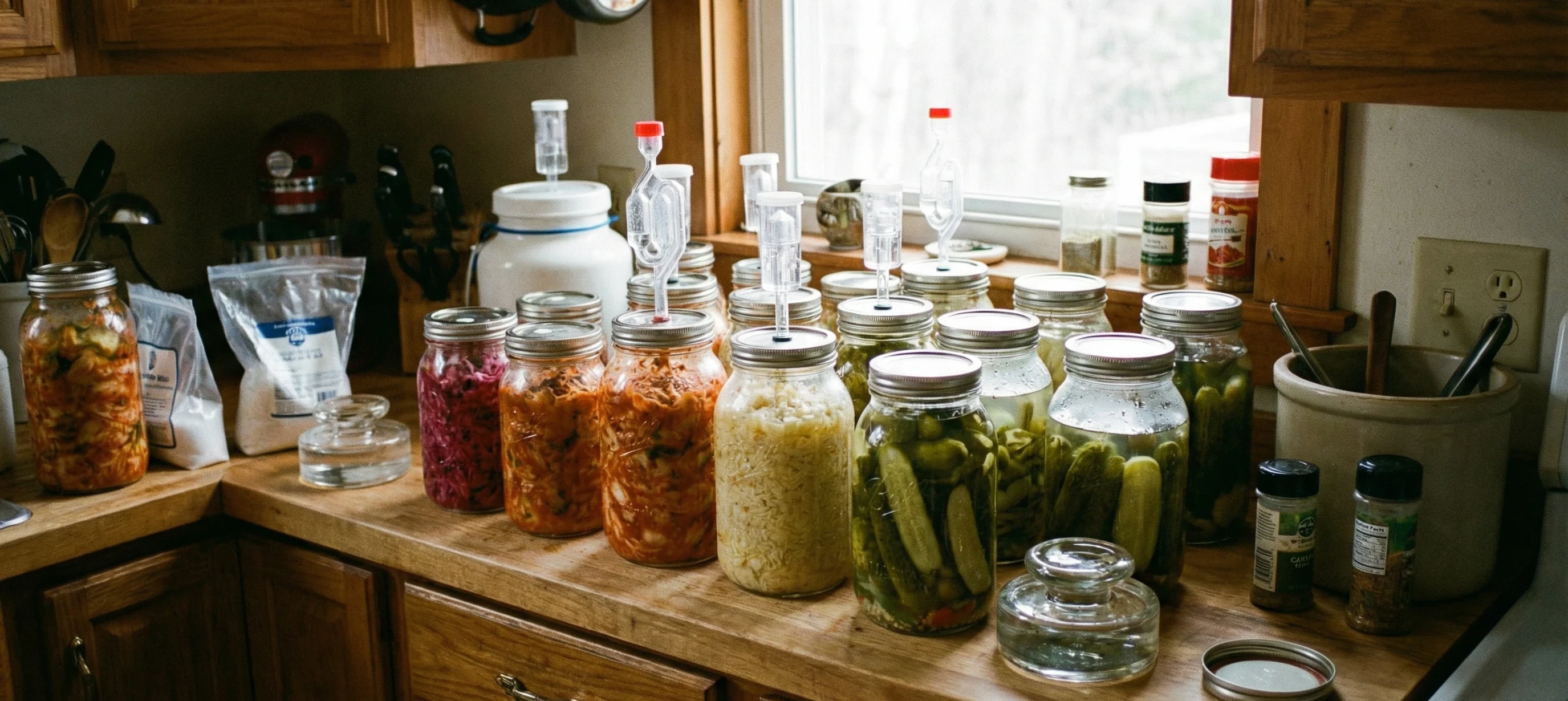
Share this insight
This conversation is happening inside the community.
Join free to continue it.The Internet Changed. Now It Is Time to Build Differently.
If this article resonated, the next step is learning how to apply it. Inside Wealthy Affiliate, we break this down into practical steps you can use to build a real online business.
No credit card. Instant access.