The Complete Guide to Summer Vegetable Growing: Heat-Beating Strategies for Maximum Harvest


Published on August 12, 2025
Published on Wealthy Affiliate — a platform for building real online businesses with modern training and AI.


Master the art of summer vegetable production with proven techniques that work in any climate
Summer vegetable gardening presents unique challenges that separate successful gardeners from frustrated beginners. While many gardeners struggle with heat stress, bolting crops, and decreased yields during peak summer months, experienced growers know the secrets to not just surviving summer heat but leveraging it for incredible harvests.
After years of perfecting summer growing techniques across different climate zones, I've developed a comprehensive system that maximizes production even in the most challenging heat conditions. This guide will transform your approach to summer gardening, turning the season's intensity into your greatest advantage.
Why Summer Vegetable Growing Requires Special Strategies
Summer isn't just "hot spring" – it's a completely different growing environment that demands specific techniques. The combination of intense heat, longer daylight hours, increased evaporation, and pest pressure creates challenges that standard gardening advice simply doesn't address.
However, summer also offers unparalleled opportunities. The abundant solar energy, warm soil temperatures, and extended growing hours can produce harvests that dwarf spring and fall yields – if you know how to work with summer's intensity rather than against it.
Chapter 1: Understanding Summer Growing Zones and Heat Management
Heat Zone Classifications That..Matter. While USDA zones focus on winter cold, summer success depends on understanding heat zones and humidity patterns:
Temperate Summer Zones (65-80°F average highs):
- Northern US, Canada, Northern Europe
- Challenges: Short. intense growing season, cool nights
- Opportunities: Extended daylight hours, minimal heat stress
Hot Summer Zones (80-95°F average highs):
- Southern US, Mediterranean climates
- Challenges: Heat stress, increased watering needs
- Opportunities: Extended growing season, excellent for heat-lovers
Tropical/Subtropical Zones (85-95°F+ year-round):
- Caribbean (including Jamaica), Southern Florida, Hawaii, tropical regions
- Challenges: Extreme heat, high humidity, intense UV
- Opportunities: Year-round growing, incredible productivity for adapted varieties
Microclimate Creation for Heat Management. Every garden contains multiple microclimates that can be optimized for different vegetables:
- Morning sun/afternoon shade: Perfect for heat-sensitive crops like lettuce
- East-facing locations: Gentle morning warmth, crucial afternoon protection
- Reflective surfaces: Concrete and light-colored surfaces intensify heat
- Wind corridors: Natural cooling through air circulation
- Elevated vs. ground level: Significant temperature differences
Chapter 2: Heat-Loving Champions - The Summer Superstars
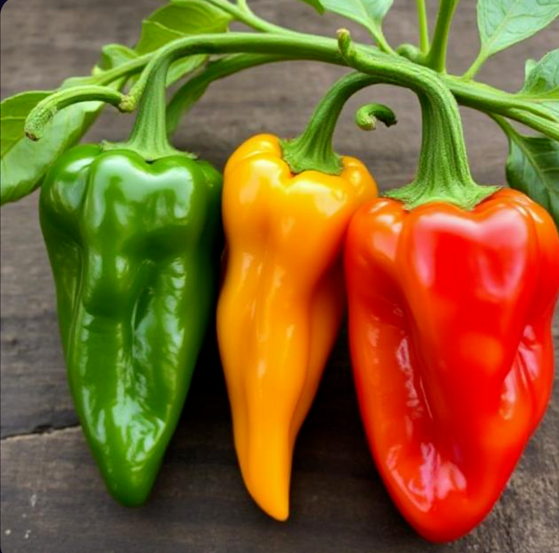 Peppers - The Ultimate Heat Warriors Peppers thrive in intense heat, with production increasing as temperatures rise.
Variety Recommendations by Heat Zone:
- Temperate zones: 'California Wonder', 'King of the North', 'Hungarian Hot Wax'
- Hot zones: 'Anaheim', 'New Mexico', 'Habanero', 'Jalapeño'
- Tropical zones (Jamaica/Caribbean): 'Scotch Bonnet', 'Caribbean Red Hot', 'Datil', 'Trinidad Scorpion'
Advanced Pepper Techniques:
- Stress irrigation: Controlled water stress intensifies flavor and heat
- Calcium supplementation: Prevents blossom end rot in extreme heat
- Pruning for production: Remove early flowers to establish strong plants
Eggplant - The Heat-Adapted Powerhouse Eggplants excel in conditions that stress other vegetables, producing abundantly in extreme heat.
Heat Zone Varieties:
- Temperate: 'Black Beauty', 'Dusky', 'Ping Tung'
- Hot zones: 'Ichiban', 'Orient Express', 'Rosa Bianca'
- Tropical zones: 'Long Purple', 'Thai Long Green', 'African Garden Egg'
Professional Eggplant Methods:
- Mulching technique: Deep organic mulch maintains consistent soil moisture
- Support systems: Heavy fruit requires sturdy staking early in the season
- Harvest timing: Pick young for tenderness, avoid overripe bitterness
Summer Squash - Fast-Producing Heat Adapters Summer squashes provide quick returns and continuous harvests throughout the heat.
Climate-Specific Selections:
- Temperate: 'Early Prolific Straightneck', 'Black Beauty Zucchini'
- Hot zones: 'Costata Romanesco', 'Lebanese White Bush'
- Tropical: 'Tromboncino', 'Tatume', 'West Indian Pumpkin'
Intermediate Squash Strategies:
- Succession planting: New plants every 3-4 weeks for continuous harvest
- Pollination assistance: Hand pollination ensures fruit set in extreme heat
- Vine management: Proper spacing prevents disease in humid conditions
Chapter 3: Heat-Adapted Greens - Defying Convention
The Misconception About Summer Greens Most gardeners assume leafy greens can't handle summer heat, but specific varieties and techniques make summer salads possible even in extreme conditions.
Heat-Tolerant Lettuce Varieties:
- All zones: 'Jericho', 'Nevada', 'Muir', 'Cherokee'
- Tropical adaptations: 'Red Sails', 'Buttercrunch', 'Summer Bibb'
Advanced Heat Management for Greens:
- Shade cloth systems: 30-50% shade cloth for the season
- Intercropping method: Plant lettuce between taller heat-loving crops
- Timing strategy: Plant in late afternoon, water immediately for establishment
Asian Greens - The Unexpected Summer Stars. Many Asian vegetables are bred for hot, humid conditions and excel where traditional greens fail.
Heat Champions:
Ready to put this into action?
Start your free journey today — no credit card required.
- Amaranth: Thrives in extreme heat, both leaves and seeds are edible
- Water spinach (Kangkong): Perfect for tropical zones, loves heat and moisture
- Heat-tolerant bok choy: 'Joi Choi', 'Win-Win Choi' varieties
- Malabar spinach: Climbing heat-lover, perfect spinach substitute
Chapter 4: Cucumbers and Melons - Water-Loving Heat Adapters
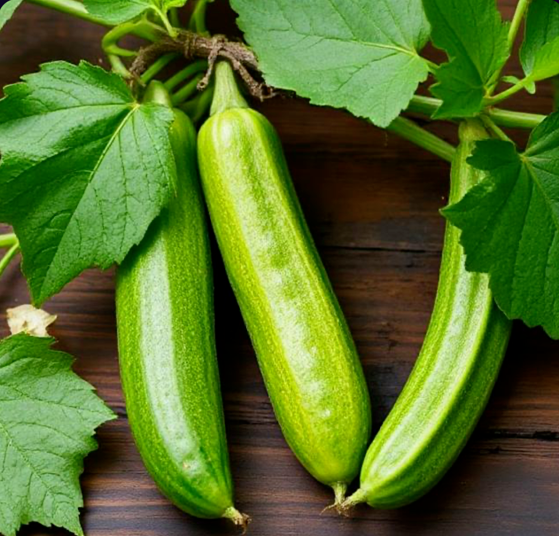 Cucumbers - Productive Heat Tolerance Cucumbers handle heat well with proper variety selection and water management.
Variety Selection by Climate:
- Temperate: 'Marketmore 76', 'Straight Eight', 'Lemon'
- Hot zones: 'Suyo Long', 'Armenian', 'Japanese Climbing'
- Tropical: 'West Indian Gherkin', 'Serpent', 'Long Green'
Advanced Cucumber Techniques:
- Vertical growing: Maximizes space and improves air circulation
- Consistent moisture protocol: Drip irrigation or soaker hoses prevent stress
- Disease prevention: Proper spacing and air circulation prevent fungal issues
Melons - The Ultimate Heat Reward Melons require heat to develop full flavor and are perfect for summer's intensity.
Heat Zone Recommendations:
- Temperate: 'Minnesota Midget', 'Sugar Baby' watermelon
- Hot zones: 'Cantaloupe', 'Honeydew', 'Crenshaw'
- Tropical: 'Caribbean Gold', 'Moon and Stars' watermelon
Chapter 5: Herbs - Flavor Intensifiers in Summer Heat
Heat-Loving Herb Champions Summer heat concentrates essential oils in herbs, creating intensely flavorful harvests.
Mediterranean Heat Lovers:
- Basil varieties: 'Genovese', 'African Blue', 'Cardinal' (especially good in the tropics)
- Oregano: Greek and Turkish varieties excel in heat
- Rosemary: Once established, it thrives in extreme heat
- Thyme: Multiple varieties, drought-tolerant once established
Tropical and Subtropical Herb Specialists:
- Cuban oregano: Perfect for Caribbean/tropical growing
- Lemongrass: Thrives in heat and humidity
- Hot peppers as herbs: Scotch bonnet, bird's eye chilies
- Culantro: Heat-tolerant cilantro alternative for tropics
Chapter 6: Advanced Summer Watering Strategies
The Summer Watering Revolution: Standard watering advice fails in summer heat. Professional techniques focus on deep, efficient watering that builds drought tolerance while maintaining productivity.
Deep Watering Methodology:
- Frequency: Less frequent, deeper watering builds stronger root systems
- Timing: Early morning watering (5-7 AM) maximizes plant uptake
- Duration: Slow, thorough soaking rather than quick surface watering
- Mulching integration: Organic mulch reduces evaporation by 50-70%
Heat-Specific Irrigation Techniques:
- Drip irrigation systems: Deliver water directly to the root zones
- Soaker hose networks: Even distribution with minimal evaporation
- Self-watering containers: Consistent moisture for container growing
- Reservoir mulching: Buried containers provide a steady water release
Water Quality Considerations:
- Temperature management: Avoid shocking plants with cold water during heat
- Timing optimization: Late afternoon watering can increase humidity
- Rain collection: Summer storms provide excellent soft water
Chapter 7: Soil Management in Summer Heat
Heat-Adapted Soil Strategies Summer soil management focuses on temperature regulation, moisture retention, and continued fertility under stress conditions.
Mulching Mastery:
- Organic options: Straw, grass clippings, shredded leaves
- Living mulches: Low-growing heat-tolerant ground covers
- Reflective mulches: Aluminum mulch for heat-sensitive crops
- Depth guidelines: 3-4 inches for optimal temperature regulation
Summer Soil Feeding:
- Liquid fertilization: More available to heat-stressed plants
- Compost tea applications: Gentle nutrition plus beneficial microorganisms
- Foliar feeding: Early morning application for stressed plants
- Slow-release integration: Consistent nutrition throughout heat periods
Chapter 8: Pest and Disease Management in Summer Heat
Summer-Specific Challenges Heat creates unique pest and disease pressures that require targeted management strategies.
Common Summer Pests:
- Spider mites: Thrive in hot, dry conditions
- Aphids: Stress weak plants, multiply rapidly in heat
- Whiteflies: Particularly problematic in humid heat
- Cucumber beetles: Peak activity during summer months
Integrated Management Approaches:
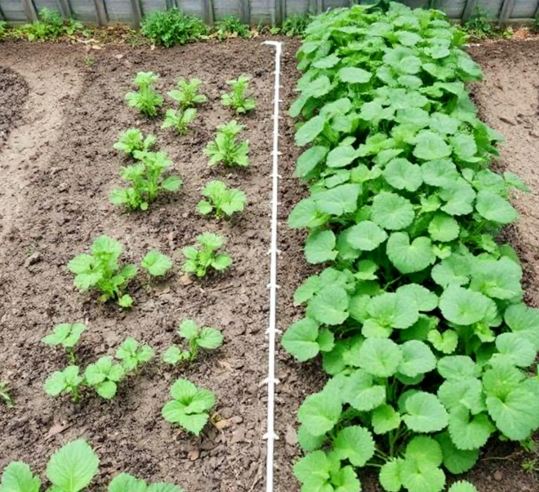
- Beneficial insect habitat: Diverse plantings support predator populations
- Physical barriers: Row covers during vulnerable growth stages
- Organic interventions: Neem oil, insecticidal soaps, beneficial bacteria
- Cultural controls: Proper spacing, air circulation, stress reduction
Heat-Related Disease Prevention:
- Fungal disease management: Air circulation and proper watering timing
- Bacterial prevention: Avoid overhead watering during heat and humidity
- Viral disease vectors: Control insects that spread plant viruses
Chapter 9: Succession Planting and Season Extension
The Summer Succession Strategy: summer ensures constant harvests and maximizes garden productivity.
Succession Timing by Crop:
- Quick crops (2-4 weeks): Lettuce, radishes, microgreens - plant weekly
- Medium crops (4-8 weeks): Beans, summer squash - plant every 2-3 weeks
- Long crops (8+ weeks): Peppers, eggplant, melons - single season planting
Heat Wave Management:
- Planting delays: Avoid seeding during extreme heat periods
- Protection protocols: Shade cloth and extra water for new plantings
- Recovery strategies: Post-heat wave care for stressed plants
Late Summer Transition Planning:
- Fall crop preparation: Starting cool-season crops in summer heat
- Soil preparation: Building soil for fall and winter growing
- Season extension setup: Installing structures for continued harvest
Chapter 10: Harvesting and Storage Optimization
Summer Harvest Timing Heat affects both harvest timing and post-harvest handling, requiring specific strategies for peak quality.
Heat-Adapted Harvest Schedules:
- Early morning harvests: Vegetables are fully hydrated and at peak quality
- Frequent picking: Heat accelerates ripening, requiring daily attention
- Stress indicators: Recognizing when plants need harvest relief
Post-Harvest Handling in Heat:
- Immediate cooling: Get produce out of the heat quickly
- Hydration maintenance: Proper storage maintains texture and flavor
- Processing timing: Handle heat-sensitive crops immediately
Your Summer Growing Success Blueprint
Transform your summer garden into a productive powerhouse with this systematic approach:
- Assess your heat zone: Understand your specific growing conditions and microclimate opportunities
- Select appropriate varieties: Choose heat-adapted varieties for your specific climate zone
- Install water management systems: Set up efficient irrigation before peak heat arrives
- Implement mulching strategies: Protect soil and conserve moisture with appropriate mulching
- Create a succession planting schedule: Plan continuous plantings for sustained harvest
- Establish a pest monitoring routine: Early detection prevents major infestations
- Plan harvest and storage systems: Optimize quality with proper timing and handling
The Summer Mindset Revolution. A success in summer vegetable growing comes from embracing heat as an asset rather than viewing it as an obstacle. The abundant solar energy, extended growing hours, and warm soil temperatures can produce incredible harvests when you align your techniques with summer's natural rhythms.
By selecting appropriate varieties, implementing heat-adapted techniques, and maintaining consistent care practices, your summer garden can become your most productive and rewarding growing season.
Ready to master summer vegetable growing? Start with 2-3 heat-loving crops this season, implement the watering and mulching strategies, and build your confidence before expanding to a full summer production system. Share your summer growing questions in the comments below – I love helping gardeners optimize their hot-weather harvests!
Have questions about summer vegetable gardening? Drop them in the comments below – I respond to every gardening question.
Turn summer heat into your gardening superpower with these proven growing strategies. Happy growing!
Share this insight
This conversation is happening inside the community.
Join free to continue it.The Internet Changed. Now It Is Time to Build Differently.
If this article resonated, the next step is learning how to apply it. Inside Wealthy Affiliate, we break this down into practical steps you can use to build a real online business.
No credit card. Instant access.