Niche Sites Are Not Dead. But Most People Are Building Them Wrong in 2026


Published on March 25, 2026
Published on Wealthy Affiliate — a platform for building real online businesses with modern training and AI.


Every few months, someone publishes a “niche sites are dead” article.
It spreads fast.
New affiliate marketers panic. Experienced ones nod along without questioning it. A whole wave of people either abandon their projects or never start.
Here’s what’s actually true.
Niche sites aren’t dead. The version that relied on thin content, weak authority, and a single traffic source is gone, and it deserved to go.
What survives is stronger.
And what most people are building right now is still wrong.
Why the “Niche Sites Are Dead” Narrative Won’t Go Away
Google’s Helpful Content System< changed the game starting in 2022.
Sites built on templated reviews, inflated word counts, and zero real expertise took serious hits.
Rightfully so.
But here’s where people got it wrong. Google didn’t kill niche sites. It removed low-quality ones.
The sites that disappeared weren’t strong businesses.
They were content farms trying to game the algorithm. Hundreds of articles, no substance, no real author.
When those sites dropped, people confused the penalty with the death of the model.
That’s the mistake.
What a Niche Site Actually Is in 2026
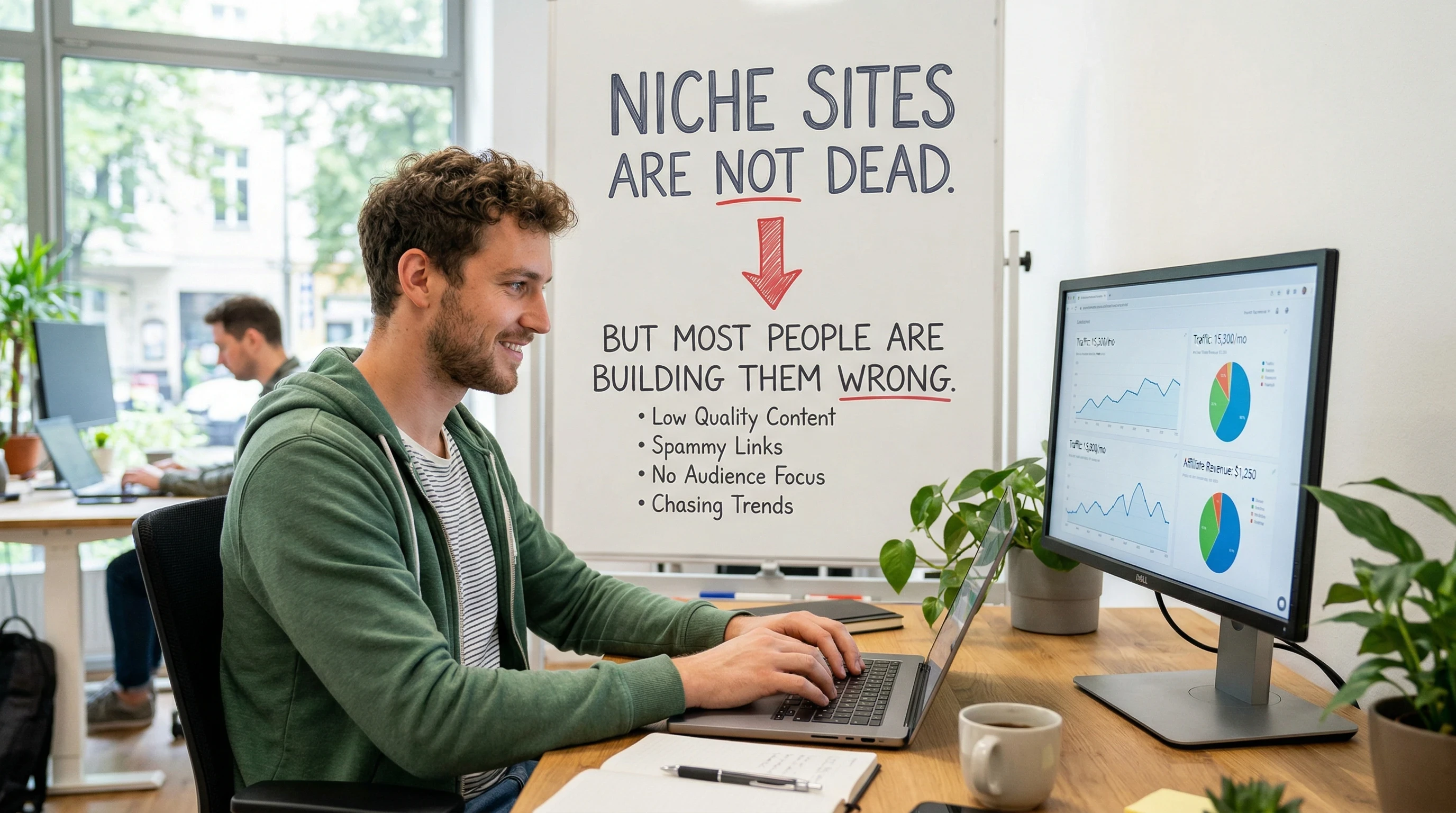 A niche site today is a focused, content-driven platform that earns through:
- Affiliate commissions
- Display ads
- Sponsored placements
- Digital products
It targets a specific audience with a clear problem and solves it better than competitors.
The model still works.
The execution is where most fail.
The 8 Ways Most People Are Building Niche Sites Wrong
1. Building Around Keywords Instead of Topics
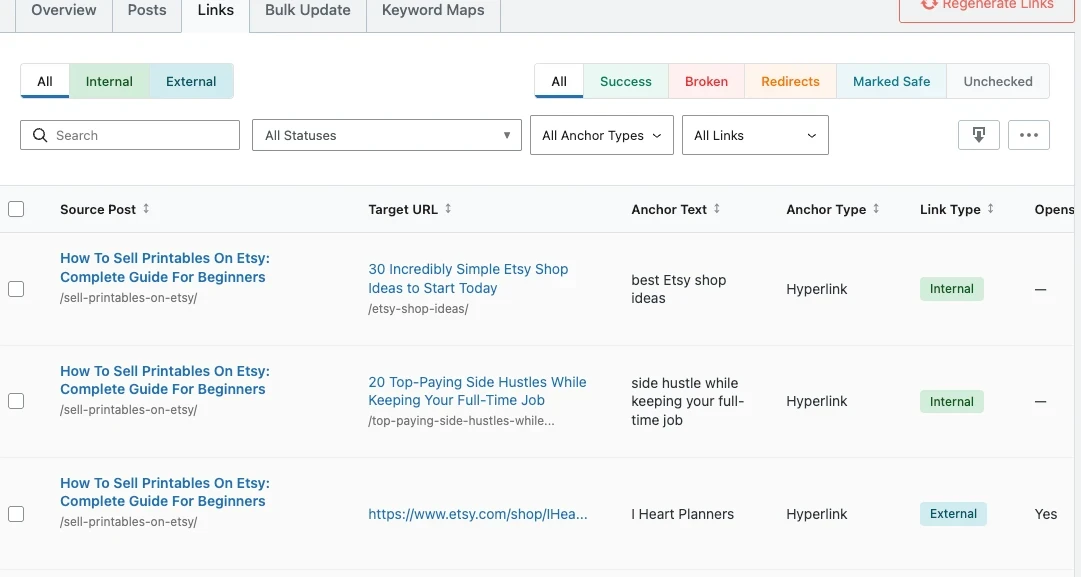 Choosing a niche based on low-competition keywords is not a strategy. It’s guesswork.
A keyword opens the door. The topic is everything inside.
If you don’t understand the topic deeply, you can’t build something valuable.
A real niche has layers.
Tutorials, comparisons, reviews, and recurring problems worth solving.
If you only have a handful of keywords, you don’t have a niche. You have a list.
2. Ignoring Topical Authority
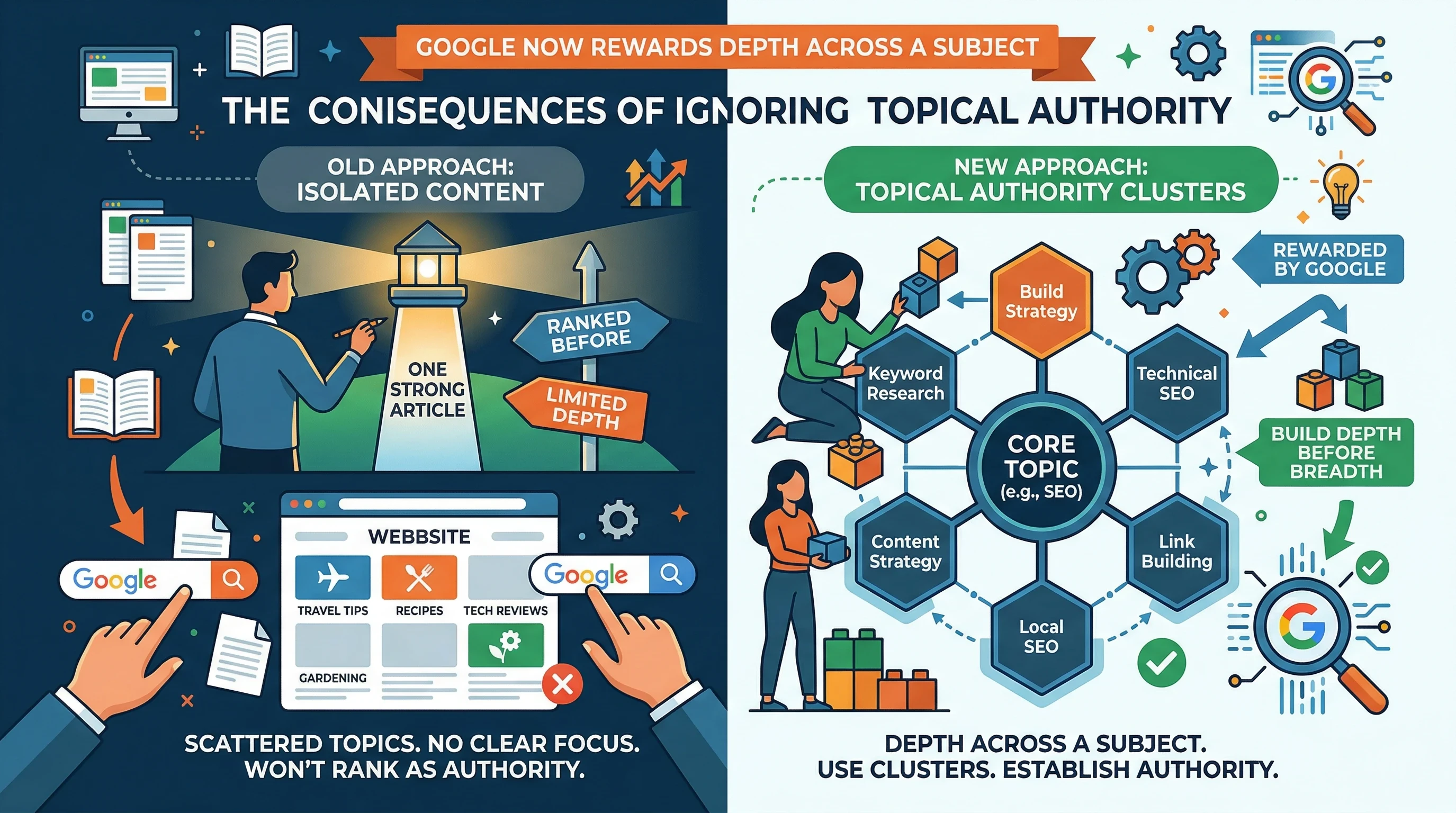 Google now rewards depth across a subject.
One strong article used to work. Now it doesn’t.
You need clusters.
Build depth before breadth.
If your site has scattered topics with no clear focus, it won’t rank as an authority.
3. Writing Content Nobody Is Searching For
Writing based on personal interest alone leads to invisible content.
Every article should answer a real search query.
Ask:
- What is the user searching for?
- What do they want to achieve?
- Are they learning, comparing, or buying?
Search intent shapes everything from your headline to your structure.
Write for demand, then add your perspective.
Ready to put this into action?
Start your free journey today — no credit card required.
4. Relying Only on SEO Traffic
 Many niche site builders treat traffic from Google as the business.
It’s not.
One update can cut traffic overnight.
A real site has multiple channels:
- Email lists
- YouTube
- Direct traffic
If one platform controls your income, you don’t own your business.
For a deeper look at long-term resilience, read this: EliteAffiliateHacks.com Turns 10: A Decade, a Domain, and a Valentine's Decision
5. No Monetization Strategy From Day One
“Add some affiliate links later” is not a plan.
Strong sites are built with monetization in mind from the start.
Know:
- Which programs will you promote
- Commission structure
- Recurring vs one-time payouts
- Which content drives conversions
Display ads support income. They rarely build it.
Recurring commissions create leverage.
Plan first. Then build around it.
6. Treating Posts Like Content, Not Assets
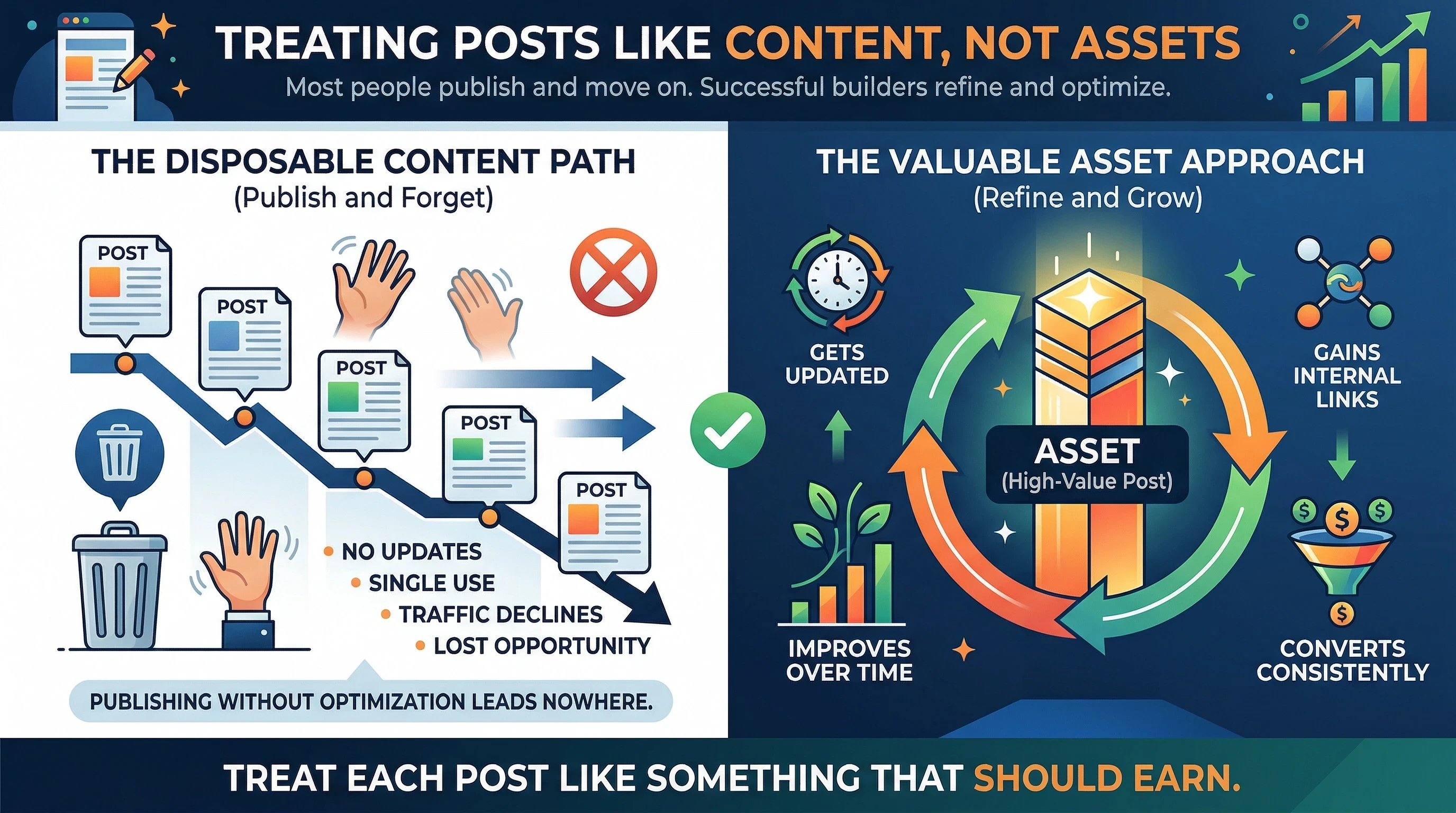 Most people publish and move on.
Successful builders refine and optimize.
An asset:
- Gets updated
- Gains internal links
- Improves over time
- Converts consistently
Publishing without optimization leads nowhere.
Treat each post like something that should earn.
7. Skipping the Conversion Layer
Traffic alone does not generate income.
If readers leave without action, nothing happens.
Common mistakes:
- Weak calls to action
- No clear recommendation
- No comparison tables
- Poor internal linking
A strong page guides the reader toward a decision naturally.
Traffic without conversion is just a number.
For a deeper breakdown, read:
10 Affiliate Marketing Hacks That Actually Move the Needle for Serious Wealthy Affiliates
8. Using AI Without Adding Perspective
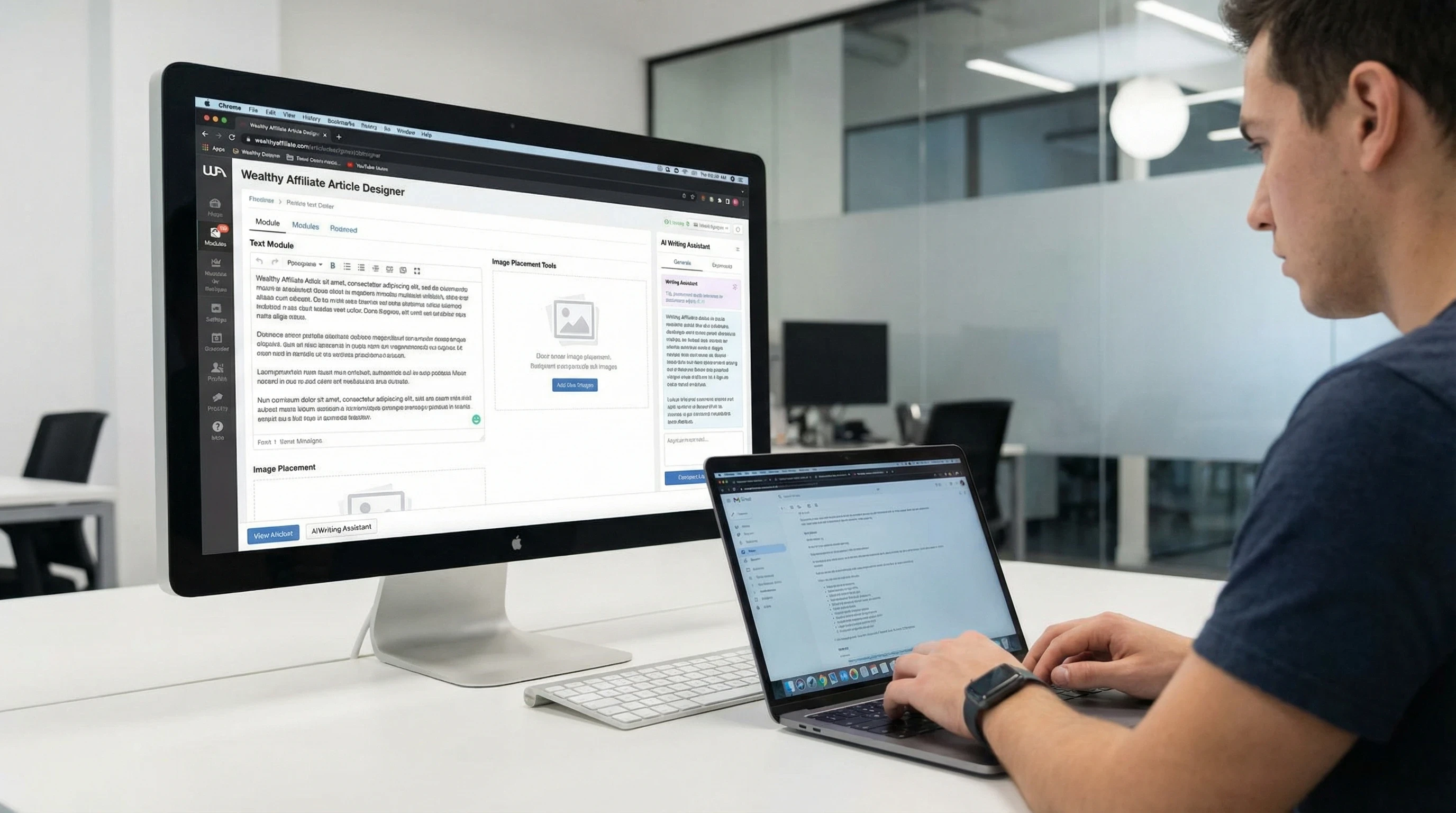 AI speeds up content creation.
But when everyone uses the same prompts, everything sounds the same.
Readers notice.
And when they do, they don’t trust it.
Use AI for structure and research.
Add your experience, your results, your opinion.
That’s what separates ranking content from forgettable content.
What a Well-Built Niche Site Looks Like in 2026
A strong site:
- Targets a clear audience with a real problem
- Builds authority before expanding
- Aligns content with search intent
- Uses multiple monetization streams
- Diversifies traffic sources
- Treats content as long-term assets
- Includes real experience
Simple in theory. Rare in execution.
The Real Reason Niche Sites Fail
The model isn’t broken.
People look for shortcuts where a system is required.
A niche site compounds over time.
It won’t pay much in month three.
It can pay very well in year two if built correctly.
The sites that failed were never strong businesses.
They were shortcuts.
And shortcuts don’t last.
If you want to avoid the mistakes most people make, start here:10 Shocking Affiliate Marketing Mistakes Wealthy Affiliate Members Still Make in 2026
Final Word
Niche sites aren’t dead.
Lazy ones are.
Thin ones are.
Unplanned ones are.
What still works is simple.
Build with intent.
Serve a real audience.
Create something you would actually use.
That’s the niche site model in 2026.
The standards are higher now.
They always should have been.
Tony Omary
-The Sky is the Lower Limit
Share this insight
This conversation is happening inside the community.
Join free to continue it.The Internet Changed. Now It Is Time to Build Differently.
If this article resonated, the next step is learning how to apply it. Inside Wealthy Affiliate, we break this down into practical steps you can use to build a real online business.
No credit card. Instant access.