De-Extinction -Woolly Mammoth Genes Spliced Into Living Cells


Published on March 30, 2015
Published on Wealthy Affiliate — a platform for building real online businesses with modern training and AI.
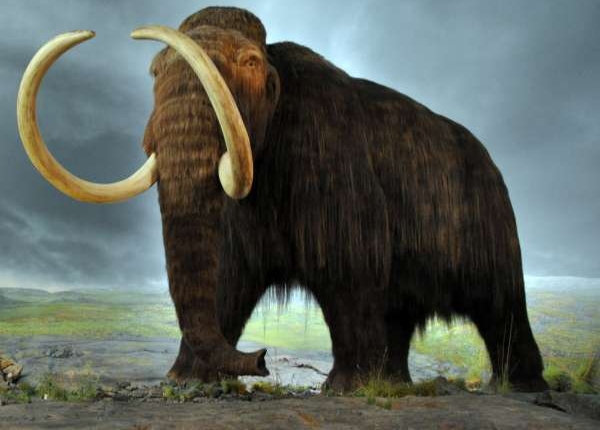
Researchers led by George Church at Harvard University have copied and pasted into the genome of an Asian elephant, genes from a frozen woolly mammoth remains, a species that went extinct around 4,000 years ago. The tissue cultures represent the first time woolly mammoth genes have been functional since the species went extinct
They spliced the genes for the mammoths’ small ears, subcutaneous fat, and hair length and color into the DNA of elephant skin cells in tissue cultures using a DNA editing tool called CRISPR.
The recent breakthrough
A process called "de-extinction", is part of an ongoing effort to bring extinct species back from the dead. The method of splicing genes from extinct animals into the genomes of their living relatives, one proposed de-extinction procedure, may possibly work. We also want to read out the phenotypes,” Church said, because just making a DNA change isn't that meaningful.
The team hopes to turn the elephant/mammoth skin cells into hybrid embryos that can be grown in artificial wombs. Speculative at this point, but the alternative--implanting the hybrids into the wombs of female elephants, is distasteful to animal rights activists and geneticists alike. “It’s going to be more humane and easier if we can set up hundreds of embryos in an incubator and run tests,” says Church.
Ready to put this into action?
Start your free journey today — no credit card required.
Woolly mammoth cloning is not available just yet, there’s a lot more research to be done explained Church and the research has not yet been peer-reviewed or published in a scientific journal because of the ongoing work, Church told the U.K.’s Sunday Times, "but we plan to do so.”
It's possible that the creatures will only remain elephant/mammoth hybrids. But if it looks like a mammoth and fulfills the same ecological functions as a mammoth, is it a mammoth?
Consequences
Not mentioned here is the fact that Woolly mammoth's lived and grazed in the Arctic some 15,000 to 50,000 years ago, in a different time with different plant flora and animal fauna.
Scientific studies have uncovered while analyzing the DNA of plants preserved in the permafrost during the ice age, that the Arctic landscape was not a bleak, grassy prairie at all, but had a lush cover of small, nutritious plants called forbs – "things like poppies and buttercups and anemones, little flowering plants,"
And those plants might have been higher in proteins and other nutrients that were very important to sustaining the populations of large mammals."
The vegetation in the Acrtic changed dramatically around 10,000 years ago, when it grew warmer and wetter, giving rise to the tundra we know today, dominated by grasses and woody plants.
How can we know the consequences of this action on a sensitive environment, and to modern animal life. I believe much more research still needs to be done in this area of study, before science brings back The Woolly Mammoth from Extinction.
I'm not really sure of the why do it part- maybe because they can?
Share this insight
This conversation is happening inside the community.
Join free to continue it.The Internet Changed. Now It Is Time to Build Differently.
If this article resonated, the next step is learning how to apply it. Inside Wealthy Affiliate, we break this down into practical steps you can use to build a real online business.
No credit card. Instant access.