Playing in the dark - the best reading light for musicians

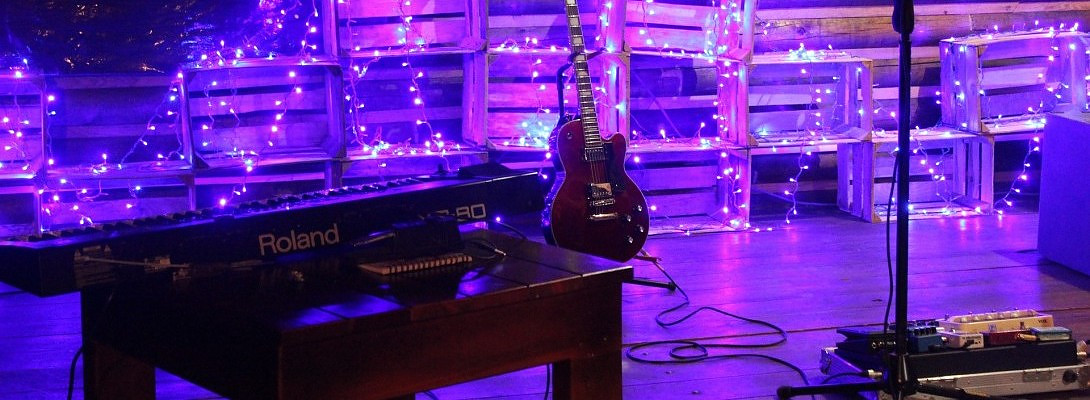


Rehearsal was completed. General house lighting and poor quality task lighting were used for running through the program and making last minute adjustments to the score. However, as soon as the service began, down came the house lights to near total darkness, a video began playing and at the end, almost immediately bright stage lights flashed upon the choir as they launched into a rousing anthem at a tempo of 120. Not only was it difficult to see the conductor standing right in front of me, it was virtually impossible for my eyes to adjust that quickly to read a less than clearly printed piano score.
How many churches and dare I say, concert musicians, cringe at the inevitable, uncontrollable lighting changes during a worship service or concert? Why has it not become important to provide ourselves access to the best reading light for musicians we can afford?
IS IT JUST ME?I think we can all agree that illumination is important in general, but there are some types of lighting that are more vital than others. What makes a light fixture important in a space for a musician is less about how it looks, than how it illuminates the task at hand. And that task lighting may very well be quite different for a trombone player than a keyboardist.
One of the most striking factors influencing how we play our instruments and create “music” is the color temperature of the light source to which we’re exposed. Research has shown we can be more productive with the right task lighting which provides the extra illumination exactly where it is needed.
About 20-percent of the population in general suffers with some visual impairment, which certain lighting can negatively impact. And that impairment expands well beyond blindness, near- or far-sightedness, and color blindness. Even the best musicians at some point may suffer with eye tracking, refractive errors, and strabismus, which is characterized by poor muscle control. Other visual setbacks may include lazy eye; eye focusing problems; light sensitivity; pressure behind the eyes from stress, diabetes, or chronic sinusitis; eye strain; or inadequate visual correction with contacts or (heaven forbid) trifocal glasses!
Depending on the musical task facing the solo musician or orchestra, different types of lighting may need to be utilized, adjusted, or modified in general, yet little is written regarding the necessity for adequate illumination of the musical score during practice versus concert. For instance, cooler lighting may be necessary for a high-speed score, while warmer lighting may be better for group focus during a rehearsal setting. A generous mix of the two may provide benefits on each side.
WHERE ARE THE CULPRITS?In the end, we all need adequate lighting since we are affected by illumination in ways we cannot imagine. How many of us are affected differently by a cold, rainy night versus a warm, sunny day? Thus it only makes sense to correlate lighting differences and lighting changes when it comes to concentration, motivation, stamina, efficiency, and alertness of the musician.
- The first culprit, dim lights, can be detrimental to performance for several reasons because it can cause eye strain and headaches because the eyes are forced to work much harder in order to see. Dim lighting can also result in drowsiness and lack of focus, which would obviously have a negative impact on performance.
- The second culprit, harsh lighting, in either a concert setting or a church setting is much more common than dim lighting and is just as harmful. Changing, brightly colored stage lighting, especially, has a number of negative effects on musicians and has been known to cause eye strain. Additionally, research cites certain lighting movements and color combinations on stage can a trigger migraine headaches. A concert or service with constant high/low/high colored lighting also makes it more difficult for the eye to focus, so alternatives should be sought whenever possible.
With light being a key component of vision, and vision being responsible for 80 to 85 percent of our perception of the world around us, it’s not difficult to see why ignoring proper lighting strategies for a solo performer or an orchestra could have a significant negative impact on performance. Proper lighting is often misunderstood or ignored, but crucial.
WHAT’S THE ANSWER?With an adequate and perhaps adjustable task light that can provide better illumination without our having to squint or get closer to the score we’re playing, completing the composition successfully is so much easier. A musician’s productivity, as it were, isn’t about having a hard work ethic, being able to concentrate, or having practiced to perfection but simply having the right lighting to complete a composition smoothly, efficiently and musically.
- In order for it to be effective, the musician’s light should contrast with the rest of the space. This is where a brighter, focused light such as that from the right lamp might come in handy since lighting seems to have the most impact on the human body as well as the eyes.
- There are all kinds of lighting, from the natural end of the spectrum to incandescent bulbs to glaring fluorescent bulbs. Each may have a dramatically different effect on the performer. In fact, it affects us to such an extent on both a physical and mental level it subconsciously alters our energy and execution. And when you throw in the competition from either a tablet score or stage lighting, the type and amount of lighting could cause issues with overall performance.
- Advanced LED technology is now available for musicians – especially keyboardists – which have warm color temperatures and dimmer switches. Some come with a clamp which can be fitted to most pianos and objects one and a half inches (1.5”) or less. Some have light shades separated into two sides, each side being able to rotate. Furthermore, some have pivot arms that allow the lamp to swivel horizontally and allow the musician to change the angle of the lamp ensuring that you are getting just the right amount of illumination where it is needed.
Kudos to all of you who have experienced the light bright/light low phenomenon so common to musicians who must play with a written score. Perhaps education regarding adequate lighting will go a long way to improving performance, health and enjoyment of all our musical activities.
Join FREE & Launch Your Business!
Exclusive Bonus - Offer Ends at Midnight Today
00
Hours
:
00
Minutes
:
00
Seconds
2,000 AI Credits Worth $10 USD
Build a Logo + Website That Attracts Customers
400 Credits
Discover Hot Niches with AI Market Research
100 Credits
Create SEO Content That Ranks & Converts
800 Credits
Find Affiliate Offers Up to $500/Sale
10 Credits
Access a Community of 2.9M+ Members
Recent Comments
0
Join FREE & Launch Your Business!
Exclusive Bonus - Offer Ends at Midnight Today
00
Hours
:
00
Minutes
:
00
Seconds
2,000 AI Credits Worth $10 USD
Build a Logo + Website That Attracts Customers
400 Credits
Discover Hot Niches with AI Market Research
100 Credits
Create SEO Content That Ranks & Converts
800 Credits
Find Affiliate Offers Up to $500/Sale
10 Credits
Access a Community of 2.9M+ Members