Rome Wasn't Built in a Day


Published on October 19, 2023
Published on Wealthy Affiliate — a platform for building real online businesses with modern training and AI.

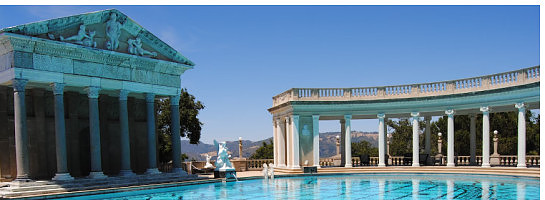
Rome Wasn't Built in a Day
How can we apply this saying to newbies just starting out in the business world?
"Rome wasn't built in a day" is an insightful adage that new professionals can apply as they embark on their careers. When starting a new job, it's easy to feel overwhelmed or impatient with the pace of progress. However, building a successful career takes time, just like constructing the great city of Rome took many years.
Focus on Learning
New hires should focus on learning and developing their skills, rather than expecting to transform a business overnight. Becoming an expert in your field requires dedication over the long term.
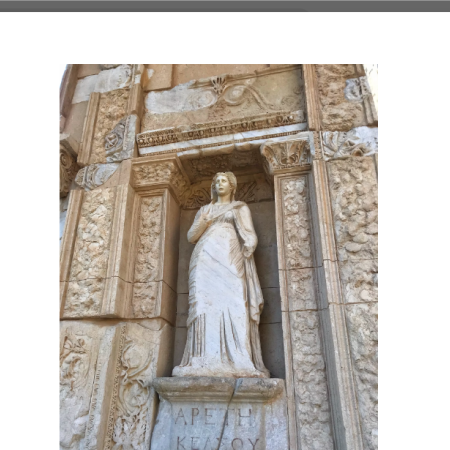
Focus on Achieving
Focus on achieving small wins each day, absorbing as much knowledge as possible, and forming connections. Don't underestimate the value of persistence. With commitment and patience, your expertise will grow exponentially over months and years.
Mastery Develops from Experience
View challenges as opportunities for growth. If a project doesn't go smoothly at first, reflect on what can be improved for next time. Recognize that mastery develops from experience. Even minor setbacks along the way will make you more seasoned and strategic in the future. The key is maintaining determination and a willingness to learn.
Establish Your Authority
Rome stands as a testament that monumental success stems from modest beginnings. Its first settlements were mere groupings of huts, which eventually grew into the biggest empire of its time.
Similarly, by laying a solid foundation early in your career, you can establish yourself as an authority in your field down the road. Consistent effort compounds over time.
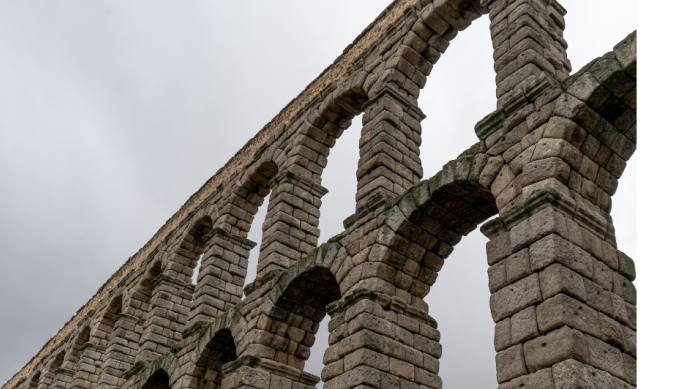
Why is it Said Rome Was Not Built in a Day?
The saying "Rome wasn't built in a day" reflects the substantial time, planning, and collaboration required to construct the ancient city of Rome into a powerful empire. Rome is estimated to have been founded around 753 BC, but it took centuries of hard work and ingenuity to develop Rome into the center of Western civilization. This adage remains relevant today as a reminder that lasting achievements require persistence through challenges.
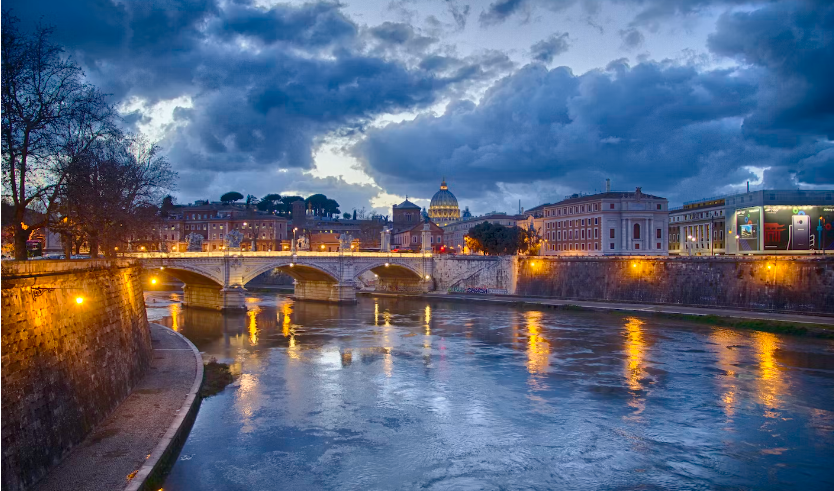
In its early days, Rome was essentially a network of small farming communities surrounding the Tiber River in central Italy. The city grew gradually as the Romans expanded their territory through conquest and alliances.
Mastering the Infrastructure
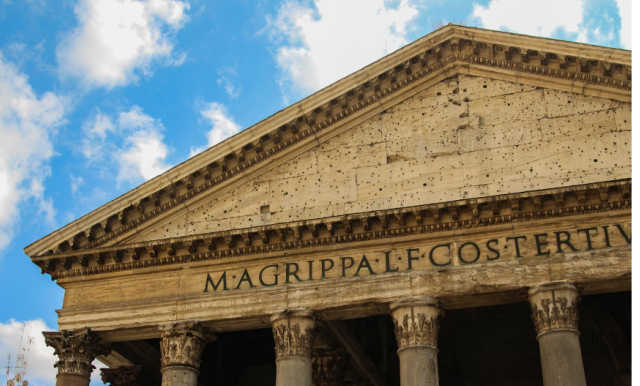
Roman engineering and technological innovations also steadily improved the city's infrastructure, architecture, and defenses. Major landmarks like the Colosseum and Pantheon took years to design and build using simple construction methods and tools available at the time.
Additionally, Rome’s iconic legal and political institutions evolved over generations of public servants. The Roman Senate established the foundations of the republican government model.
Civil Law and Taxation
Complex systems like civil law and taxation developed to serve an empire of Rome's massive scale. Rome itself housed over 1 million inhabitants at its peak. Managing an ancient city of this size was an immense feat of urban planning.
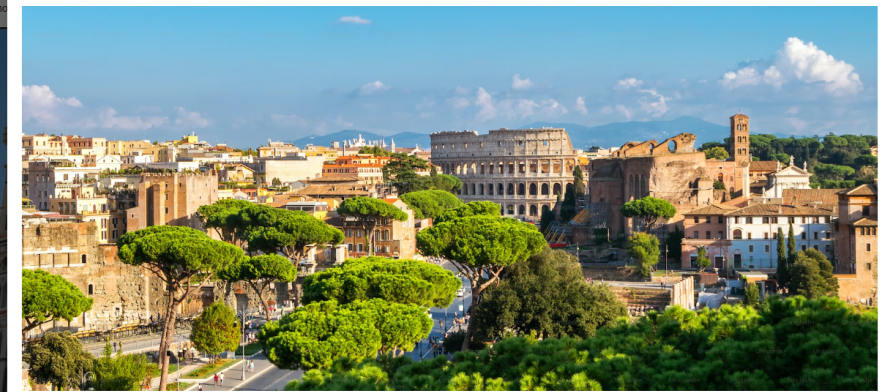
Ready to put this into action?
Start your free journey today — no credit card required.
Success Does Not Happen Overnight
The adage about Rome alludes to the diligence required to cultivate any successful endeavor. Building an impressive career or business doesn't happen overnight. There are no shortcuts to genuine expertise or leadership. With sustained passion and grit, though, it's remarkable what heights are within reach. Rome stands as a testament to the transformative power of long-term thinking.
Who Said Rome Was Not Built in One Day?
The adage "Rome was not built in one day" first appeared in print in a 1539 collection of English proverbs compiled by John Heywood. His seminal work, "A Dialogue Conteinyng the Nomber in Effect of all the Prouerbes in the Englishe Tongue" contains this timeless insight among thousands of early English sayings. Many of these phrases remain commonly used metaphors today.
Poet Laureate John Heywood
As a playwright and poet in 16th-century England, John Heywood popularized this proverb and many others through his writings. He is credited with producing the first collection of English idioms and cliches in literary form. At the time, most Europeans wrote in Latin, but Heywood promoted the use of vernacular English in his work. As such, he helped standardize many sayings that were commonly passed down orally.
The original wording was "Rome was not built in one day." This has evolved over centuries of retelling into the now ubiquitous motto "Rome wasn't built in a day." The core message remains that complex, ambitious undertakings take careful cultivation over time.
Heywood's witty plays on words still influence modern speech. While not all his recorded idioms remain in use, "Rome wasn't built in a day" certainly stands the test of time. John Heywood’s contribution to the English linguistic legacy echoes through this pithy insight.
Did it Take 1 Day to Build Rome?
No, it did not take a single day to construct the ancient city of Rome or establish the Roman Empire. In fact, Rome developed gradually over many centuries. The area was first settled around 750 BC by Latin tribes living along the Tiber River.
They formed a monarchy which eventually transitioned into the Roman Republic around 500 BC. Rome then steadily expanded its sphere of influence through conquest and assimilation over hundreds of years.
The Romans also took their time developing seminal political and legal institutions. The Senate was formed around 500 BC to rule the fledgling republic. Complex jurisprudence principles like civil law emerged progressively as the empire grew.
One Million Inhabitants
Additionally, governing Rome's large population centers was a monumental task. The city of Rome itself eventually exceeded 1 million inhabitants. Managing urban issues like housing, sanitation, and transit required long-term planning and civic administration. Successful problem-solving came through sustained incremental improvements over generations.
The Roman Empire
While many associate Rome’s grandeur with its iconic architecture and engineering marvels, its cultural and intellectual achievements also developed gradually. Rome's lasting impact stems not just from its buildings but also its law, language, literature, and philosophy. The Roman Empire was built brick by brick over many centuries of vision, ingenuity, and perseverance. This prolific legacy truly was not created in one day.
Colosseem & Pantheon
When this phrase was coined in the 16th century, Rome already symbolized the pinnacle of civilization and achievement. The city’s architectural marvels like the Colosseum and Pantheon were unmatched in scale and engineering imagination. Rome’s influence also persisted centuries after the empire’s collapse through its advancements in language, law, and culture.
Thus, comparing an undertaking to Rome’s construction implies the highest of standards and aspirations. If building an unparalleled city took centuries of vision and labor, any epic endeavor calls for similar dedication over time. No massive project can be rushed or accomplished overnight. Patience and persistence are required to build something legendary.
Excellence Emerges Step-by-Step
Beyond just Rome, the saying applies to any lofty goal from building a business, mastering a skillset, or creating a great work of art or literature. The metaphor reminds us that excellence emerges step-by-step, not spontaneously.
With a commitment to the long haul, though, today's modest actions can compound to achieve tomorrow’s greatness. "Rome wasn't built in a day" remains a powerful shorthand for the need for long-term grit to manifest ambitious dreams.
The metaphor "Rome wasn't built in a day" contains an important lesson for new professionals - building a successful career takes time and patience. This adage cautions against expecting overnight results, reminding us that lasting achievements require persistence through challenges.
Nurturing Your Start-Up
For entrepreneurs starting a business, Rome's gradual development from an early settlement to a mighty empire parallels the long journey of nurturing a startup into a prospering company. Business experts recommend giving at least 3-5 years to turn a profit; Rome wasn't built overnight and neither are sustainable enterprises.
Consistency Counts
Becoming a leader in your industry also demands dedication over the long haul. Just as Rome wasn't constructed instantaneously, rising to the top of your field requires incremental progress through years of experience. Focus on consistent development rather than meteoric success. Mastery emerges from lifelong learning.
Patience and Dedication is Key
For entry-level employees, this saying encourages focusing your energy on absorbing knowledge and skills rather than quick advancement. The foundations you build early on through learning opportunities will compound over the course of your career. Patience and dedication during foundational stages pay dividends down the road.

Commitment Commitment Commitment is Key
Overall, "Rome wasn't built in a day" advises adopting a long-term mindset. Sustainable success results from laying solid groundwork and persisting through trials. By internalizing this metaphor, new professionals can set realistic expectations to manage frustrations. Your expertise and leadership capabilities can rival Rome's grandeur - if you build them steadily through commitment over time.
How does building Rome's infrastructure relate to your online business?
TheRachele
Share this insight
This conversation is happening inside the community.
Join free to continue it.The Internet Changed. Now It Is Time to Build Differently.
If this article resonated, the next step is learning how to apply it. Inside Wealthy Affiliate, we break this down into practical steps you can use to build a real online business.
No credit card. Instant access.