The Weaver Who Had Not Yet Mastered the Loom


Published on September 8, 2026
Published on Wealthy Affiliate — a platform for building real online businesses with modern training and AI.

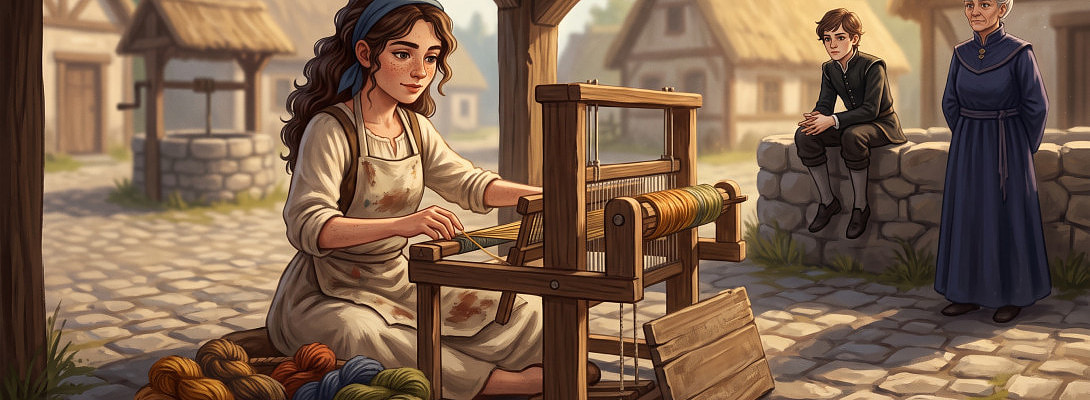
A folktale on building authority, one honest thread at a time.
In a valley where the wind carried the smell of wool and river-water, there stood a village called Hollowmere, famous throughout the land for its cloth. Every family in Hollowmere kept a loom, and every loom had its keeper, and every keeper had a story of how they came to know their craft.
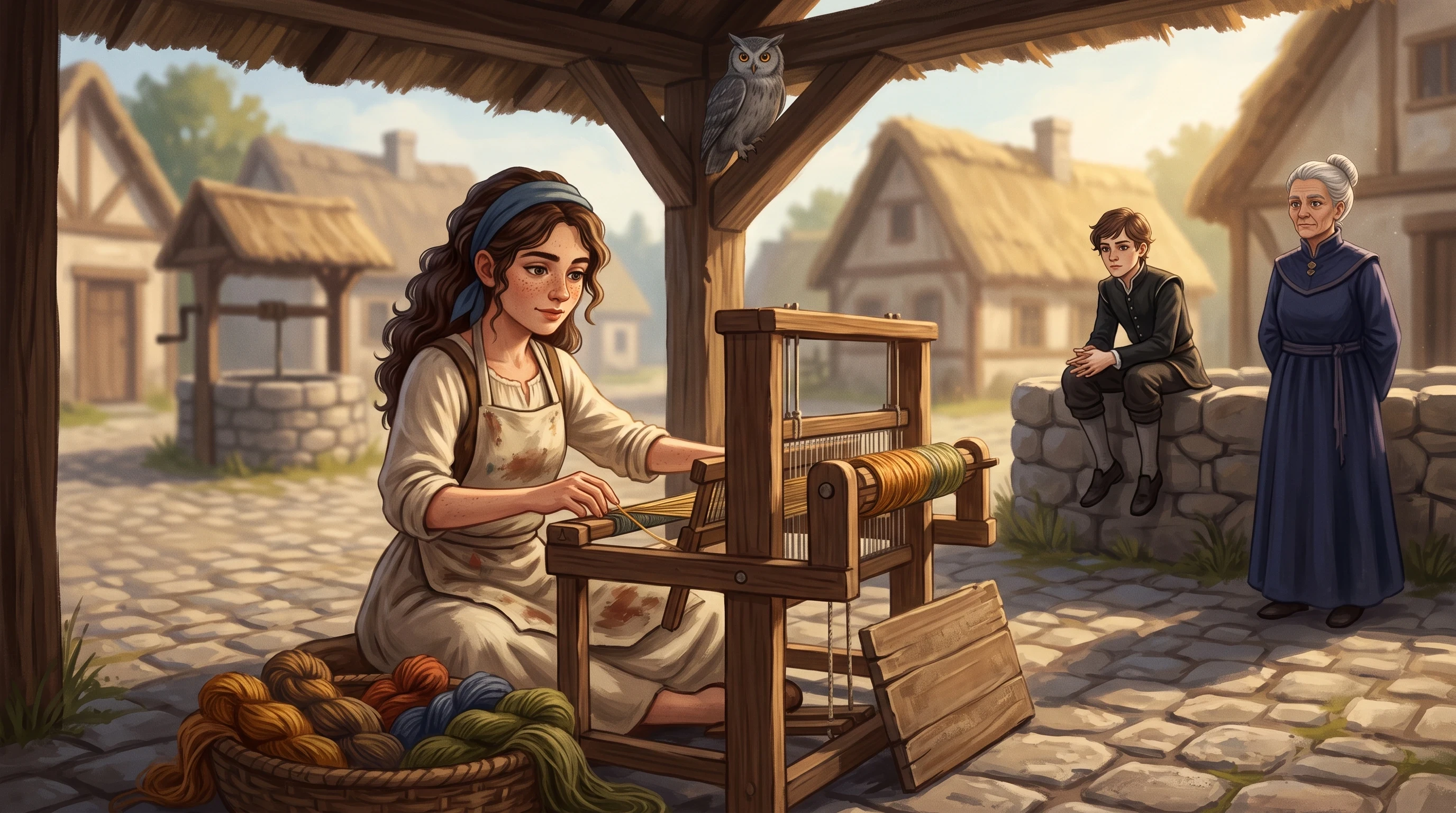
Among them lived a girl named Senna, the daughter of a dye-maker, who had only just been given her first loom on her sixteenth birthday. She was clumsy with the shuttle. Her selvedges curled. Her patterns, when she attempted anything bolder than a plain weave, tangled into knots that took her half a morning to undo.
But Senna loved the loom the way some people love the sea — not because she had mastered it, but because it called to her.
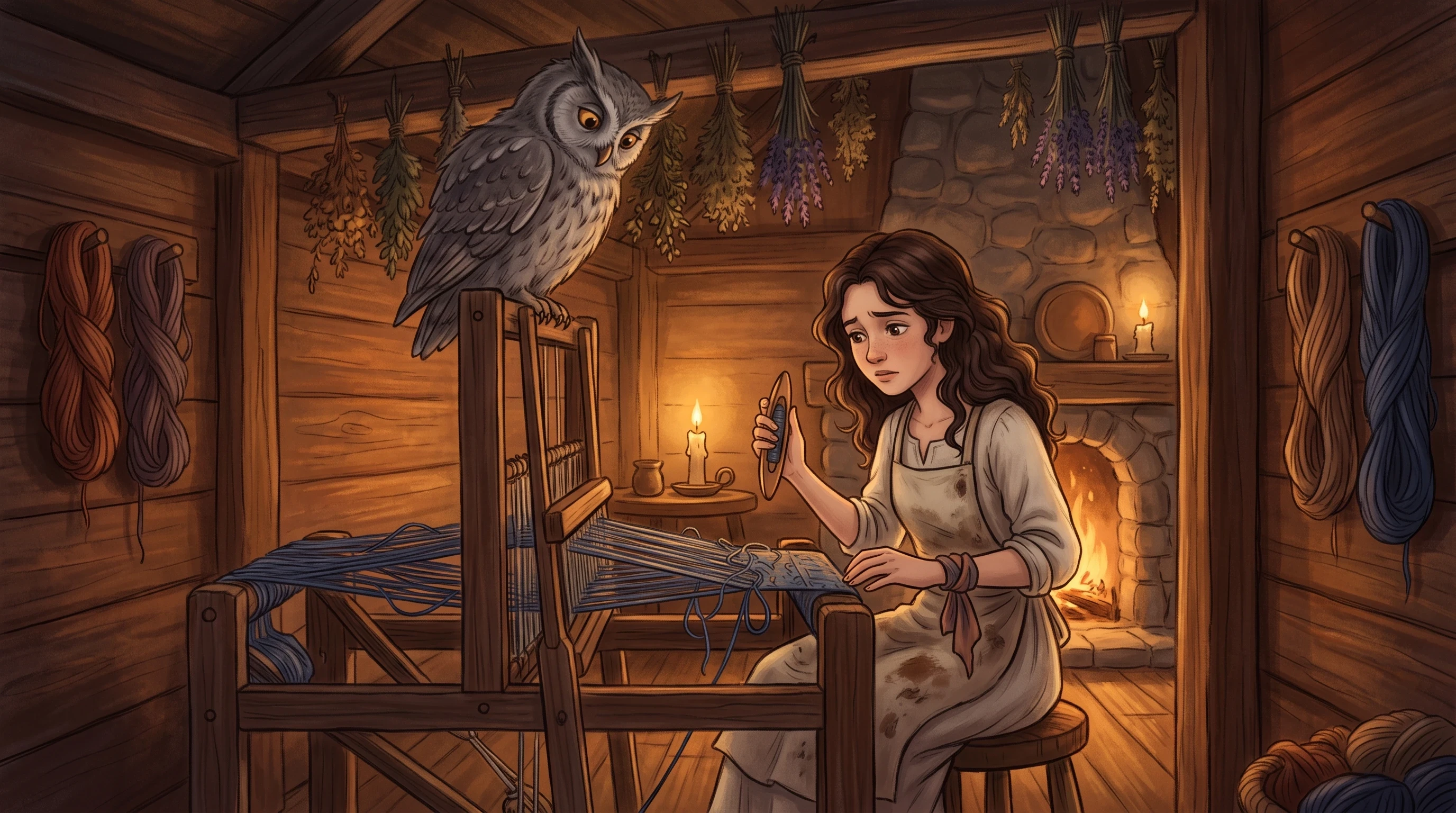
One evening, as she sat untangling yet another snarl of blue thread, she said aloud to no one in particular, "I wish I could teach the little ones in the square the way I've seen the Weave-Mistress do. But who am I to teach anything? I can barely finish a scarf without unraveling it twice."
From the rafters above her, where he had been dozing among the drying herbs, an old grey owl named Thistle opened one eye.
"And who," Thistle asked, in the dry, unhurried voice owls use when they already know the answer, "did you learn your last three stitches from?"
Senna blinked. "From Old Bram, the cobbler's wife. But she only showed me because I asked her plainly."
"And before that?"
"From a girl not much older than me, at the river, who showed me how to keep my tension even."
"And has the Weave-Mistress of the Guild Hall ever once sat beside you and shown you anything at all?"
Senna admitted she had not. The Weave-Mistress was said to be so skilled that she wove blankets fit for kings across the sea, and she rarely spoke to anyone below the rank of Guild Elder.
"Then perhaps," said Thistle, resettling his feathers, "the village does not need another Weave-Mistress just yet. Perhaps it needs someone willing to say, here is what I tried yesterday, and here is what I learned."
The Girl Who Taught What She Knew That Week
Senna did not become a master overnight — no owl, however wise, can grant that. But the next market day, she set a small stool beside her loom in the square and hung a modest sign that read: "Come see what I'm learning this week."
Not "Learn to weave from an expert." Not "Master weaver, ten years' experience." Just the plain, honest truth of where she stood.
A few children gathered first, curious more about the sign than the thread. Senna showed them exactly what she had learned that week — how to keep tension even, a trick Old Bram had taught her, and a mistake she'd made with dye-fastness that had turned an entire batch of yellow thread the color of mud.
"I don't know everything," she told them plainly. "But I know this much, and I learned it the hard way, so you won't have to."
The children laughed at the story of the mud-yellow thread. They came back the next week to see what new thing had gone wrong, and what new thing Senna had learned from it.
The Weaver Who Compared Herself to the Mountain
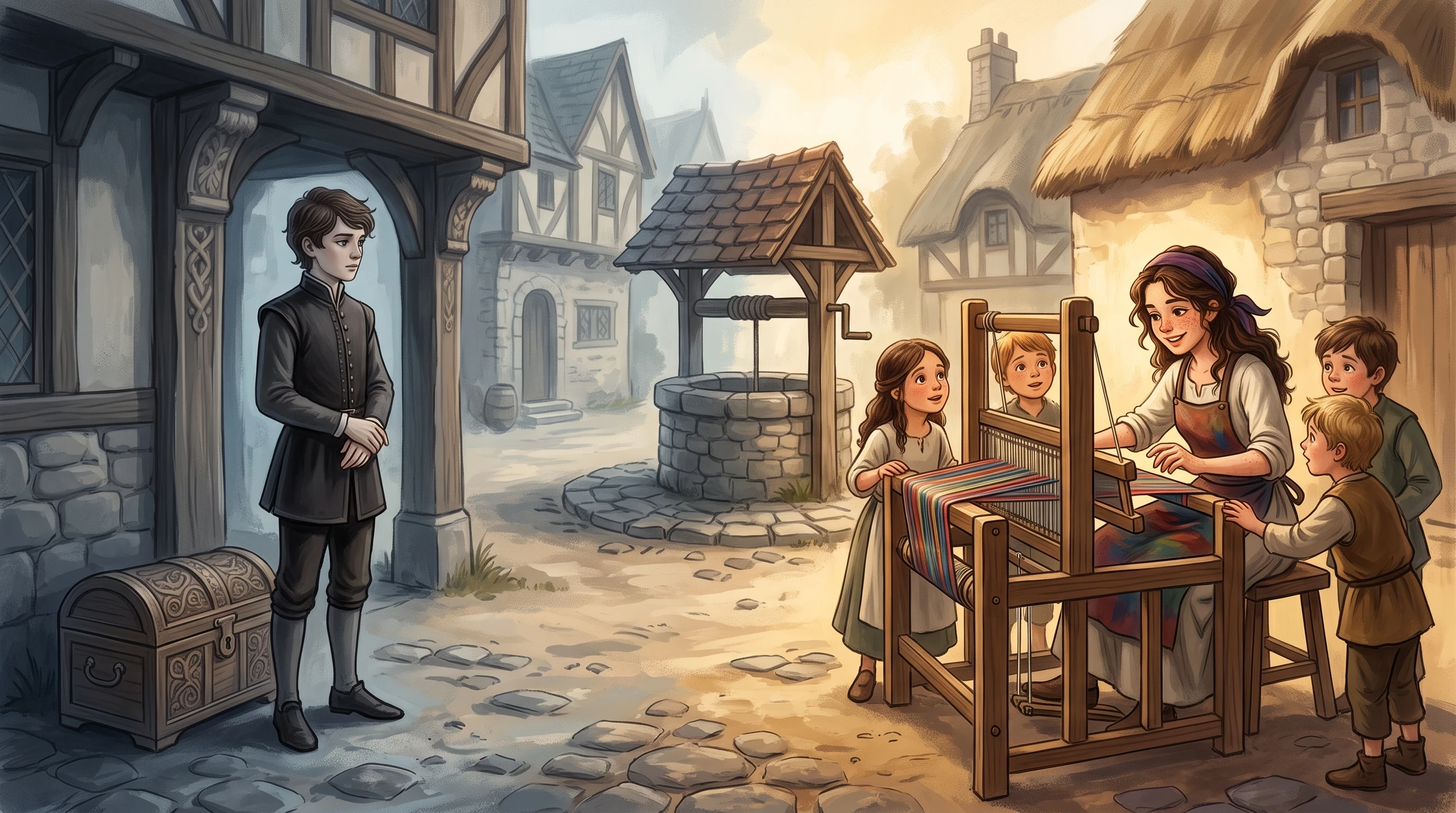
There was another weaver in Hollowmere, a boy named Ossian, gifted with unusually steady hands, who could have taught far more than Senna from the very first day. But Ossian spent his mornings watching the Weave-Mistress's apprentices cross the square in their fine, guild-stamped aprons, and every evening he told himself the same thing: I am not ready. Not like them.
Ready to put this into action?
Start your free journey today — no credit card required.
So Ossian said nothing, taught no one, and kept his gift folded away like cloth in a chest, waiting for a day when he would finally feel worthy of unfolding it.
Months passed. Senna's stool in the square grew crowded. Parents began sending their children to her not because she was the finest weaver in Hollowmere — everyone agreed the Weave-Mistress still held that honor — but because Senna remembered, freshly and vividly, exactly what it felt like to not know how to hold a shuttle. She could meet a struggling child exactly where they stood, because she had stood there herself only a season before.
One day Ossian finally sat down near her stool, not to teach, but to watch.
"You're not even as skilled as I am," he said, half in wonder, half in envy.
"No," Senna agreed cheerfully, "but I show up every market day, and you don't show up at all. A locked chest of gold helps no one, Ossian, however heavy the gold."
The Seasons of Small, Honest Work
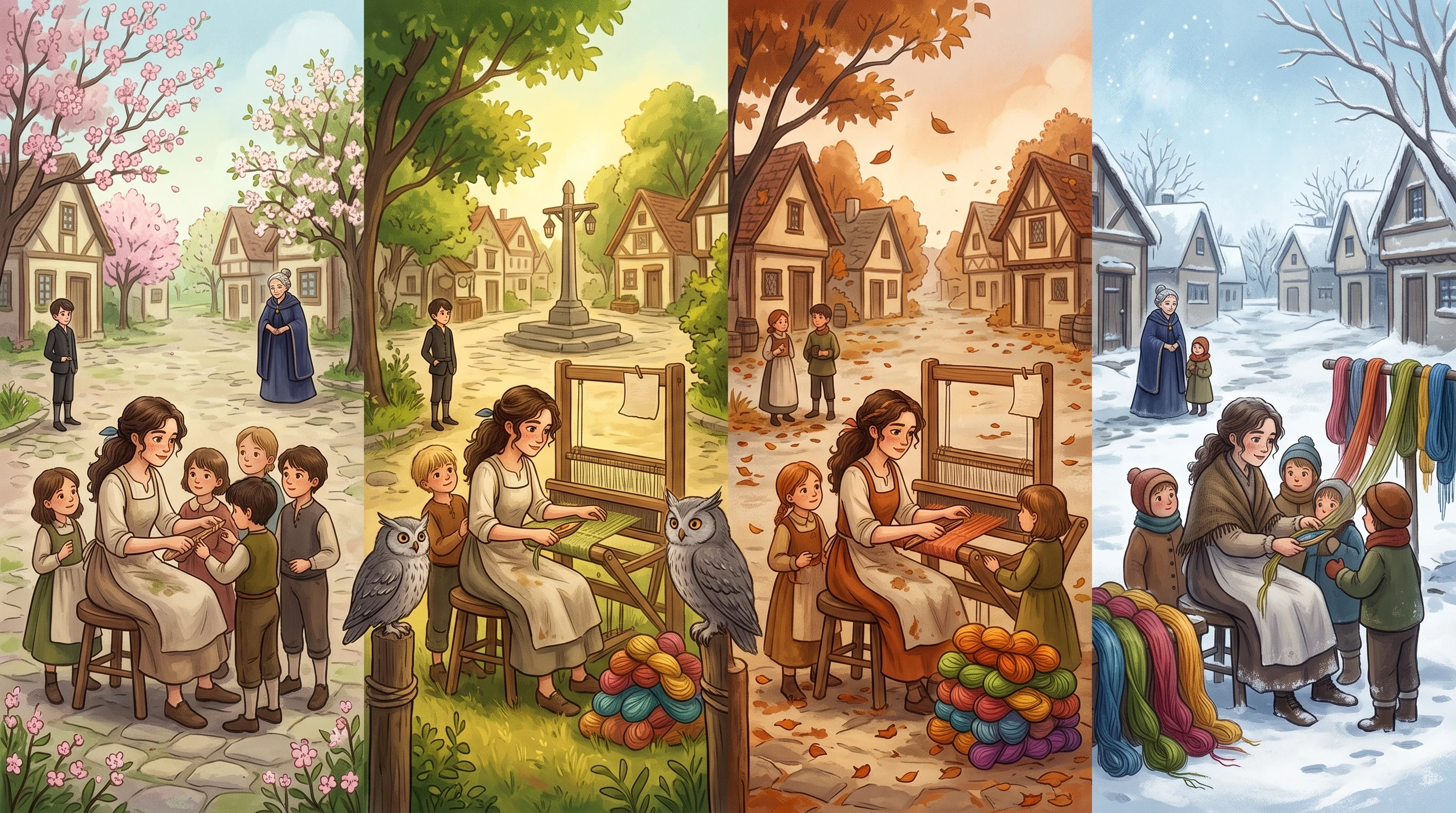
Senna kept her stool in the square through the whole turning of the year. She did not weave anything spectacular. She did not attempt the Weave-Mistress's famous double-diamond pattern until she had earned the calluses for it. Instead, she did something quieter and, as it turned out, far rarer: she showed up in the same spot, for the same people, week after week.
When a new thread technique confused her, she said so, and worked through it aloud in front of everyone. When a pattern failed, she unraveled it in front of everyone, laughing at herself, and tried again. When something finally worked, she taught it plainly, without dressing it up as more than it was.
She made herself one quiet rule, which she pinned above her loom on a scrap of parchment: Every stool-side lesson must leave someone able to do one thing they couldn't do before. Not impressed. Helped.
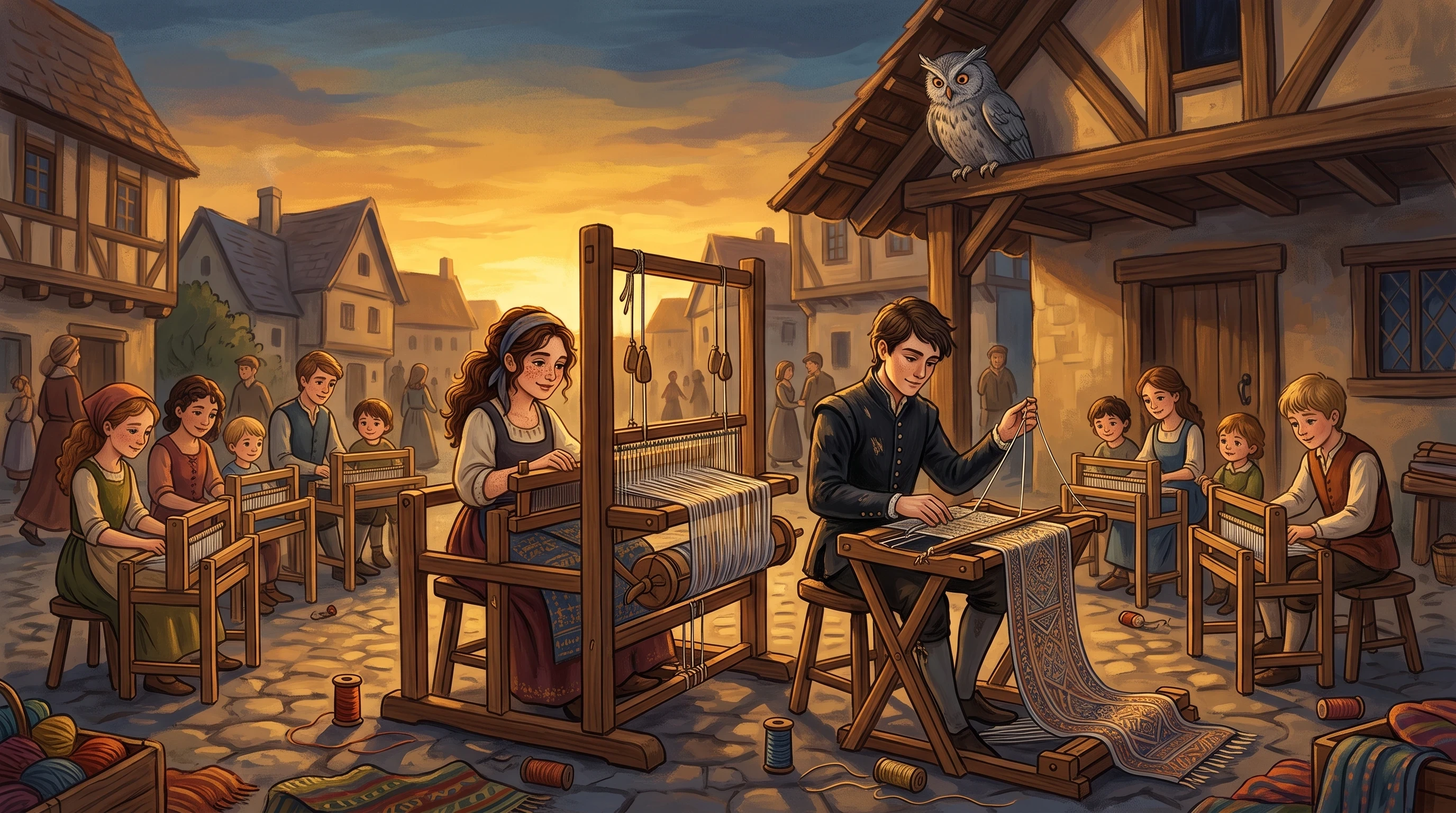
Slowly, the square began to change. Children who had learned from Senna grew into young weavers themselves, and they, in turn, began teaching the next batch of restless, tangled-thread beginners. A kind of chain formed, link by link, all traced back to one girl and one stool and one honest sign.
The Winter of No One Watching
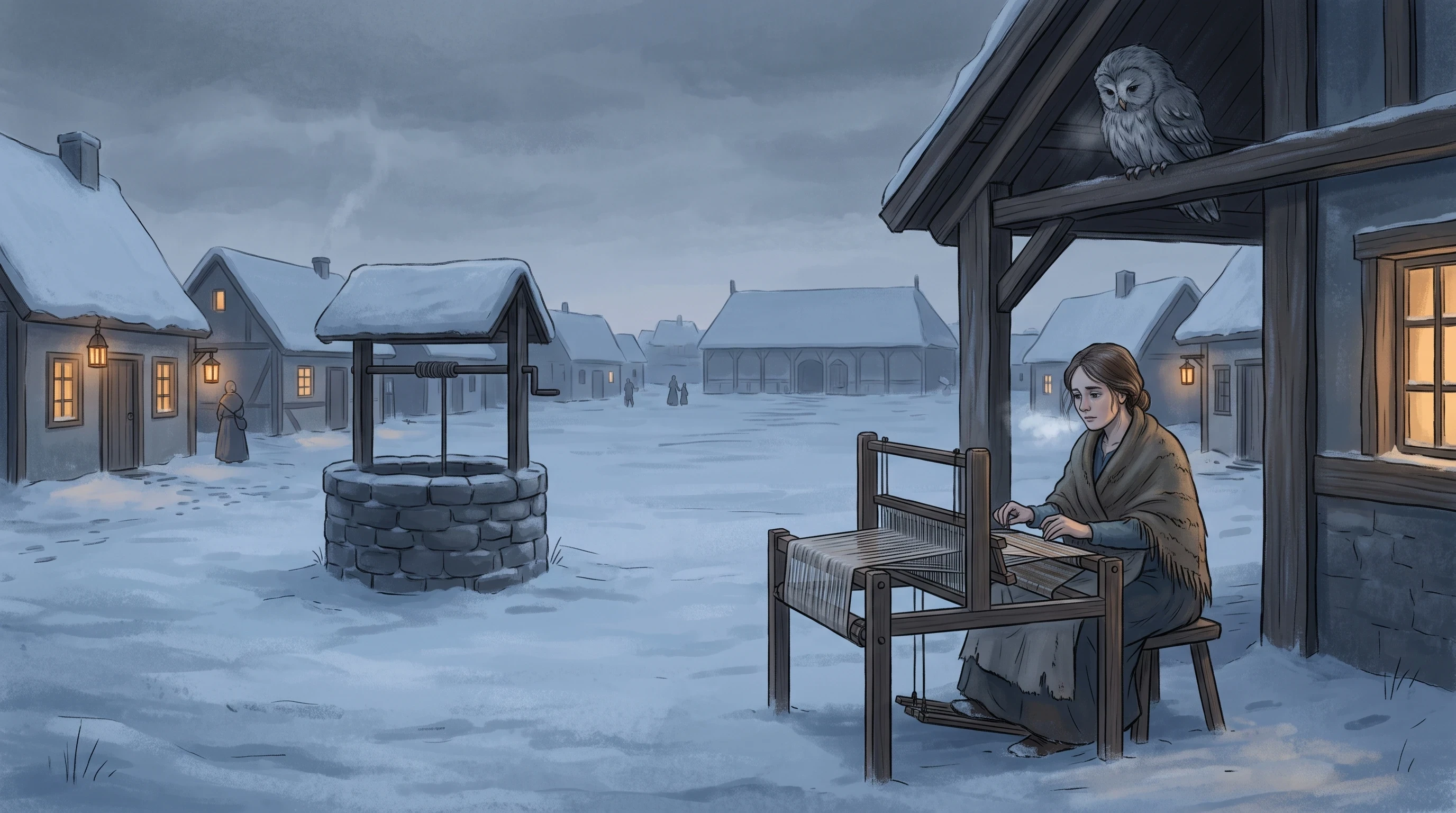
There came a winter — a long, grey, market-thin winter — when almost no one stopped at Senna's stool at all. The children had grown, moved on, found other things to occupy their hands. Senna sat some days entirely alone, working her thread, wondering if the whole endeavor had been a foolish girl's fancy.
"Thistle," she said one such evening, "I don't think anyone remembers the stool anymore."
The old owl, greyer now himself, ruffled his feathers against the cold. "Tell me, when the river carves a canyon, does it ask each morning whether the stone has noticed?"
"That's not an answer."
"It's the only one worth giving. Keep weaving, Senna. The mark you leave is not always visible to the one making it."
She kept her stool out through that whole bare winter, some days teaching only Thistle himself, who pretended not to enjoy it.
The Guild Hall Doors
By the following spring, something had shifted that Senna herself hadn't fully noticed. Travelers passing through Hollowmere had begun asking, not for the Weave-Mistress's famous double-diamond blankets, but for "the honest weaver by the well, the one who teaches as she learns." Merchants who wanted apprentices trained quickly and well sent their children to Senna first, because her students, unlike some trained under sterner masters, were never afraid to admit what they didn't yet know — and so they learned faster than anyone.
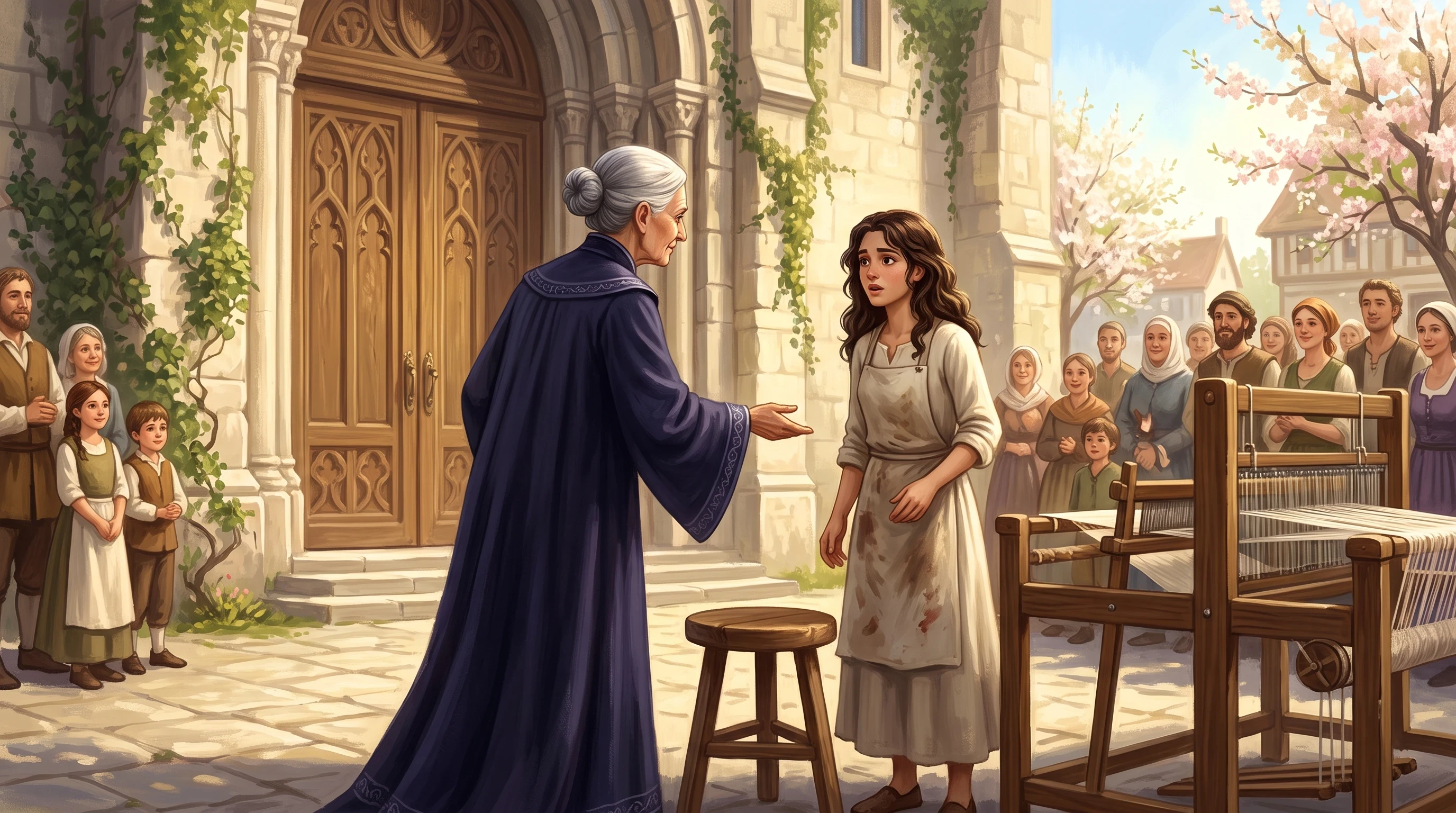
One afternoon, the Weave-Mistress herself, silver-haired and famously silent, crossed the square and stood before Senna's modest stool. The whole market seemed to hold its breath.
"I hear," the Weave-Mistress said, "that half the young weavers in this valley learned their first stitch from you."
Senna, flustered, admitted she had never claimed to be a master of anything.
"No," the old woman said, and for the first time anyone could remember, she almost smiled. "You claimed something far harder to fake. You claimed to be honest, and you claimed to show up. I have known a hundred more skilled hands than yours. I have known none more trusted."
She invited Senna to teach one morning a week inside the Guild Hall itself — not as an expert, but exactly as she was: a fellow weaver, a season or two further down the same road as her students, still learning, still willing to say so.
The Telling's End
And that, the storytellers of Hollowmere say, is how a girl with curling selvedges and a habit of tangling her thread came to teach inside the very Guild Hall she once thought she'd never be worthy to enter — not because she stopped being a beginner, but because she never pretended to be anything else.
They say Ossian, watching from the square that day, finally unfolded the gift he'd kept locked away so long, and set his own stool beside hers.
And they say old Thistle still dozes in the rafters above Senna's loom, and that if you sit quietly enough on a market day, you might hear him mutter, to no one in particular:
"The river never waited to be a canyon. It only kept moving."
The moral, as the Hollowmere elders tell it:
You need not be a master to begin teaching. You need only be honest about where you stand, generous with what you've already learned, and willing to return to the same stool, the same square, the same people — season after season — until the showing-up itself becomes the thing that earns their trust.
Share this insight
This conversation is happening inside the community.
Join free to continue it.The Internet Changed. Now It Is Time to Build Differently.
If this article resonated, the next step is learning how to apply it. Inside Wealthy Affiliate, we break this down into practical steps you can use to build a real online business.
No credit card. Instant access.