The Lighthouse Keeper of Hopewell Hill


Published on September 4, 2026
Published on Wealthy Affiliate — a platform for building real online businesses with modern training and AI.

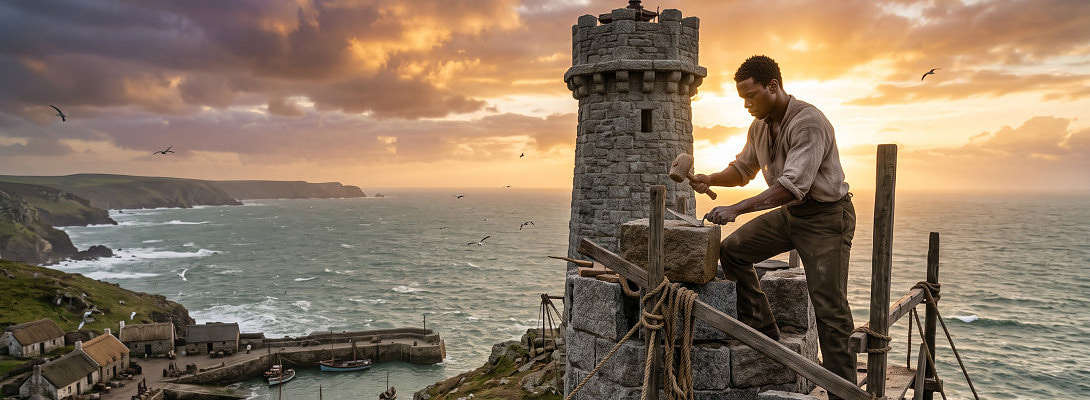
A story about why most beginners quit and how to become the one who doesn't.
There is an old saying in the fishing village of Cape Merrow: "The sea doesn't reward the strongest boat. It rewards the boat that keeps coming back out."
No one understood that saying better than a young man named Eli Okafor.
Eli wasn't a fisherman. He was something the villagers found much stranger, a lighthouse builder. And this is the story of the lighthouse he built on Hopewell Hill, and the seven ships that passed it by before the eighth one finally came home.
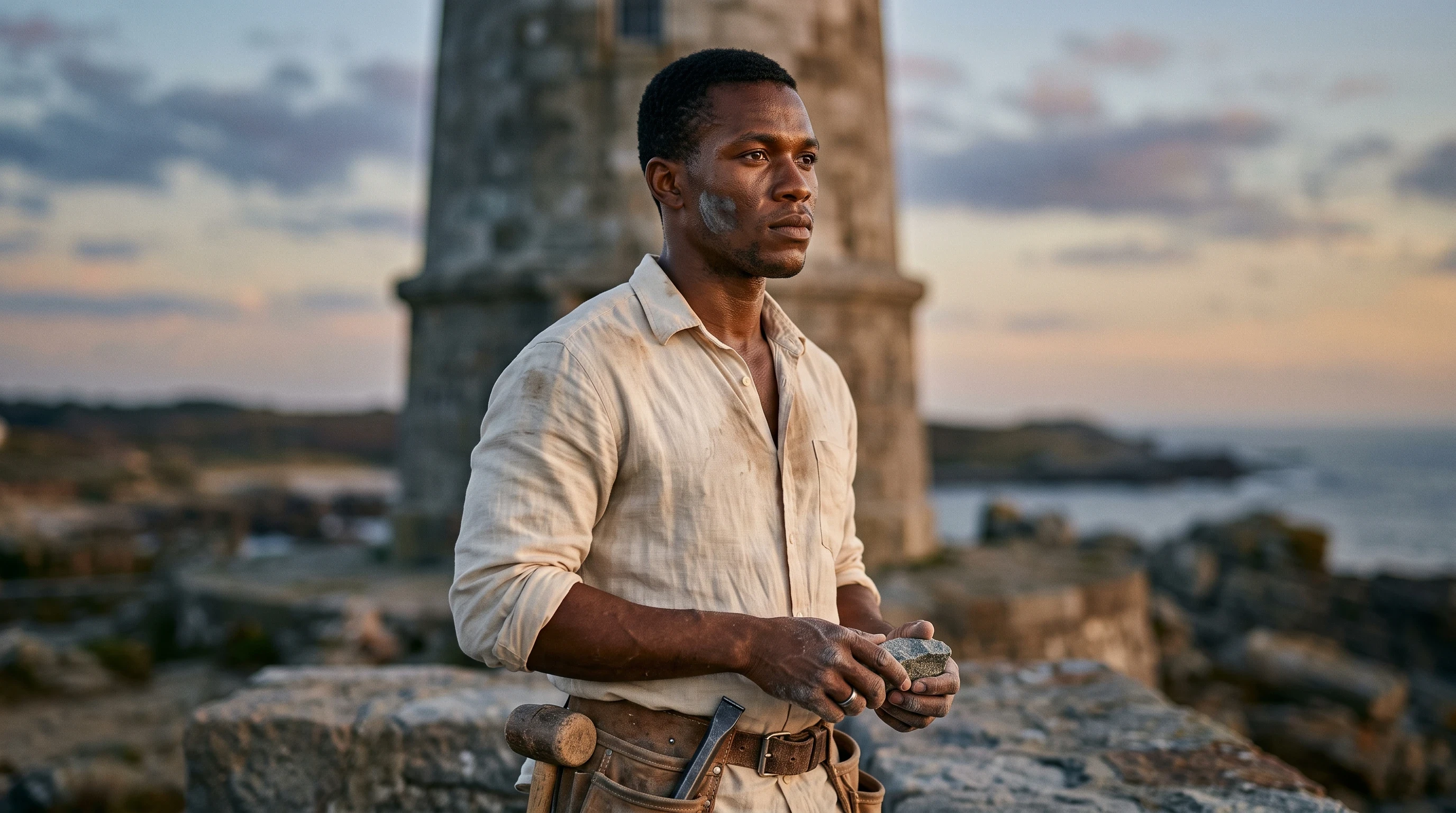
The Boy Who Wanted a Beacon by Sunset
Eli was twenty-four when he climbed Hopewell Hill for the first time, carrying a sack of tools and a head full of dreams. Down in the harbor, ships were lost almost every season , wrecked on the rocks in the fog, their captains unable to find the safe channel home. Eli had a vision: build a lighthouse so bright that no ship would ever wreck on Hopewell rocks again.
He pictured it finished by autumn. Lit by winter. Famous by spring.
He built the first wall in a single afternoon, sweat pouring down his back, grinning like a man who had already won.
Then he waited for a ship to notice. None did. The wall was three feet tall. From the harbor, it looked like a pile of stones.
By the next morning, Eli had already changed his mind. Maybe a lighthouse is the wrong idea, he thought. Maybe I should build a bell tower instead. Bells carry farther than light. He tore down half the wall and started stacking a bell frame. Two days later, he abandoned that for a signal fire pit. Then a flag pole. Then, discouraged and dizzy, he sat on the hilltop, surrounded by four half-finished projects, and none of them tall enough to be seen from the water.
An old woman named Mama Adaeze, who sold dried fish at the base of the hill, watched him from her stall every day. One evening she climbed up with a lantern and looked at his four sad little piles of stone.
"You have started a wall, a bell, a fire pit, and a flagpole," she said. "And you have finished none of them. Tell me, boy, which one do you actually believe in?"
"The lighthouse," Eli admitted. "But it's taking too long, and nothing is happening."
Mama Adaeze laughed, not unkindly. "Boy, the sea has been swallowing ships for three hundred years. You have been building for three days. You are not behind. You have not even started long enough to be behind."
The Seven Ships That Passed
So Eli made a decision that would change everything: he chose the lighthouse, and only the lighthouse, and he committed to lay one row of stone every single day, whether or not a single ship ever looked up.
That was the easy part to decide. The hard part was living it.
Ready to put this into action?
Start your free journey today — no credit card required.
Weeks went by. Eli laid stone in the blistering heat and in the rain. The tower rose slowly, knee-high, then waist-high, then finally taller than Eli himself. But still, no ship altered its course because of him. Still, no captain in the harbor bar had heard his name.
One evening, exhausted, Eli counted the ships that had wrecked on the rocks since he'd started building: seven. Seven ships, in the very months he had spent stacking stone, had gone down in the fog just below his unfinished tower. He sat on the cold ground that night and, for the first time, seriously considered walking back down the hill for good.
"What's the point," he muttered to the wind, "if the tower isn't finished when the ships need it?"
It was Mama Adaeze, again, who found him there the next morning, staring at the sea. "Do you know why most lighthouses in this world are never finished?" she asked. Eli shook his head.

"Because most builders quit the week before the light was going to matter. They see the ships wreck, and they think it means their tower is useless. They never learn that the tower was never their fault to begin with. The fog was there long before them, and it will be there long after them too. Their only job was to keep laying stone." She tapped his shoulder. "You are exactly one stone closer to finished than you were yesterday. That is the only math that matters."
The Season of Almost Nothing
The months that followed were the hardest and quietest of Eli's life. There was no dramatic turning point, no lightning bolt of inspiration, just an unglamorous, repetitive rhythm: wake, haul stone, place stone, sharpen the chisel, sleep, repeat. Some weeks, the tower grew by less than a foot. Some weeks, storms undid two days of work in a single night.
He didn't feel like a builder anymore. He felt like a man doing the same boring task forever, with nothing to show the world for it.
But he noticed something odd about himself during that season: even though nothing seemed to be happening, something was clearly changing. His arms had grown stronger. He could now judge, just by looking at a stone, whether it would hold. He no longer needed Mama Adaeze to check his angles. He'd learned to check them himself. The learning hadn't come from a book. It had come from doing the work, wrong sometimes, and adjusting.
He was becoming, without quite noticing it, the kind of man who could finish a lighthouse even before the lighthouse itself was finished.
The Eighth Ship
On a foggy night in his second year on the hill, Eli placed the final stone at the top of the tower and lit the lamp he'd spent months fitting with glass and oil.
The light did not roar to life like a legend. It simply glowed small, steady, golden against the grey mist.
He almost laughed at how quiet the moment was, after two years of struggle. No crowd. No fanfare. Just an old woman with dried fish, clapping slowly from the bottom of the hill.
But out on the water that night, an eighth ship was fighting the fog, just as seven others had before it. Its captain, half-blind in the mist and steering by instinct alone, suddenly saw a small, steady light on the hill where no light had ever been. He turned the wheel toward it and safely found the channel home.
By the next season, sailors up and down the coast were talking about the light on Hopewell Hill. Not because it was the brightest lighthouse ever built. It wasn't. It was, in fact, a little crooked in places, patched with the mistakes of a man who was learning as he went.
But it was lit. It was there. It was still standing because Eli hadn't stopped building on the days it seemed pointless to keep going.
What the Hill Taught Eli
Years later, when young builders climbed Hopewell Hill hoping to learn from him, Eli would tell them the same five things, every time:
First — know your enemy before you start climbing.
Second — the quitting happens right before the light comes on.
Third — lay one stone a day, especially the day it feels pointless.
Fourth — choose one hill and stay on it.
Fifth — a book about lighthouses never guided a single ship home.
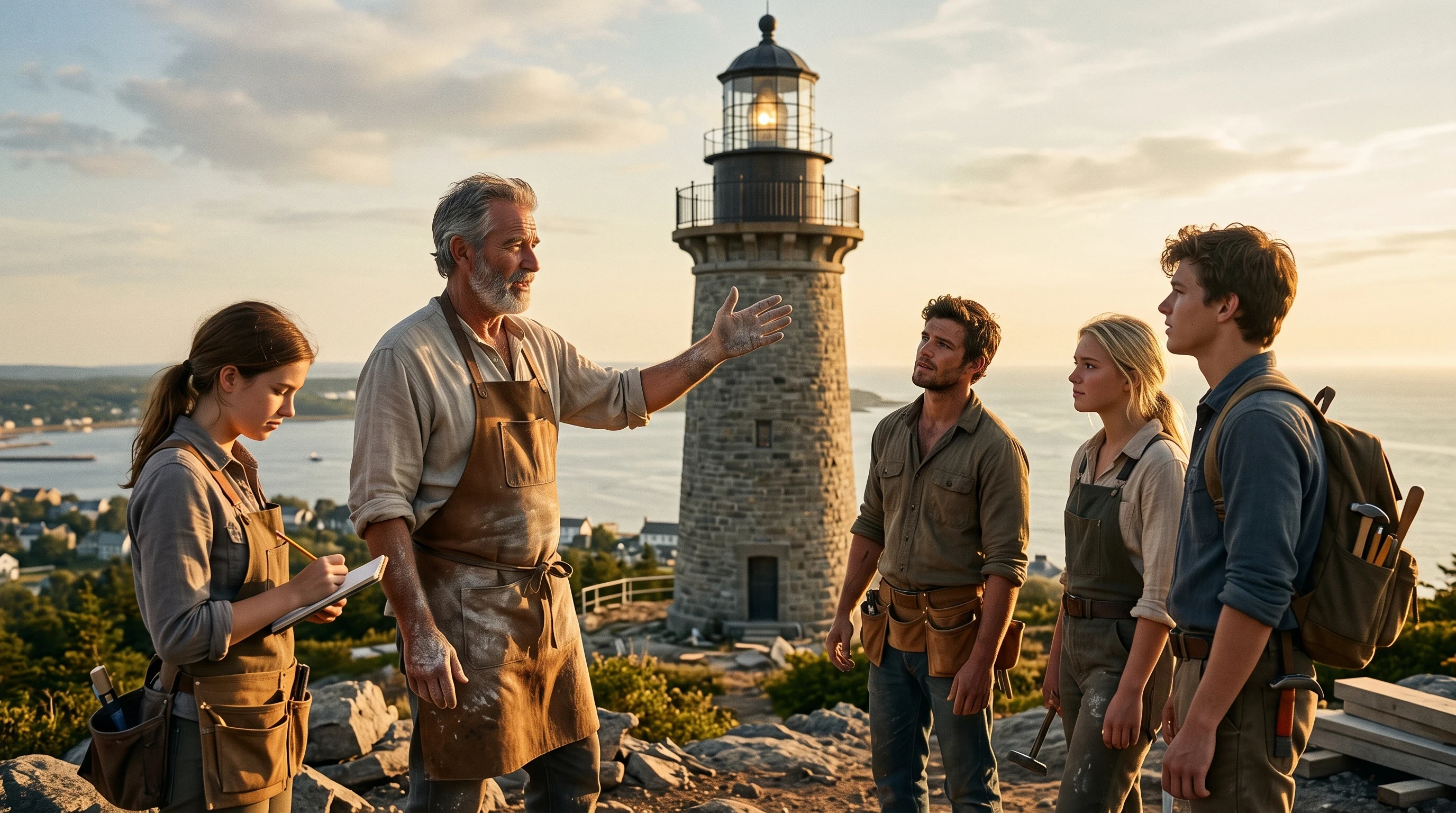
And when a young builder would ask him, nervously, "But what if I build my whole lighthouse and no ship ever comes?" Eli would point down at the harbor, where his own light now glowed steady in the evening fog, and say: "You don't fail because you're not capable of building it. You only fail if you climb back down the hill before it's lit. Keep stacking stone. The eighth ship is always closer than it feels."
— Inspired by the teaching: "You don't fail because you are not capable. You fail only if you stop."
Drop a comment what lesson you learn from this story.
Share this insight
This conversation is happening inside the community.
Join free to continue it.The Internet Changed. Now It Is Time to Build Differently.
If this article resonated, the next step is learning how to apply it. Inside Wealthy Affiliate, we break this down into practical steps you can use to build a real online business.
No credit card. Instant access.