The Lanternmaker of Windmere Crossing - A folktale on Turning Footsteps into Fortune


Published on September 16, 2026
Published on Wealthy Affiliate — a platform for building real online businesses with modern training and AI.


In the days when rivers still remembered the names of everyone who crossed them, there stood a village called Windmere Crossing, built where three roads met at the edge of a wide, slow river. Traders passed through by the hundreds each week, for Windmere Crossing was the only bridge for a day's walk in either direction.
In this village lived a young lanternmaker named Wren Thistledown, who had inherited her grandmother's workshop and a stack of unpaid candle-wax bills. Wren made the finest lanterns in the valley, glass clear as still water, frames bent from copper that never rusted, wicks that burned three times as long as any other. She was certain that if enough people simply saw her lanterns, her fortune would be made.
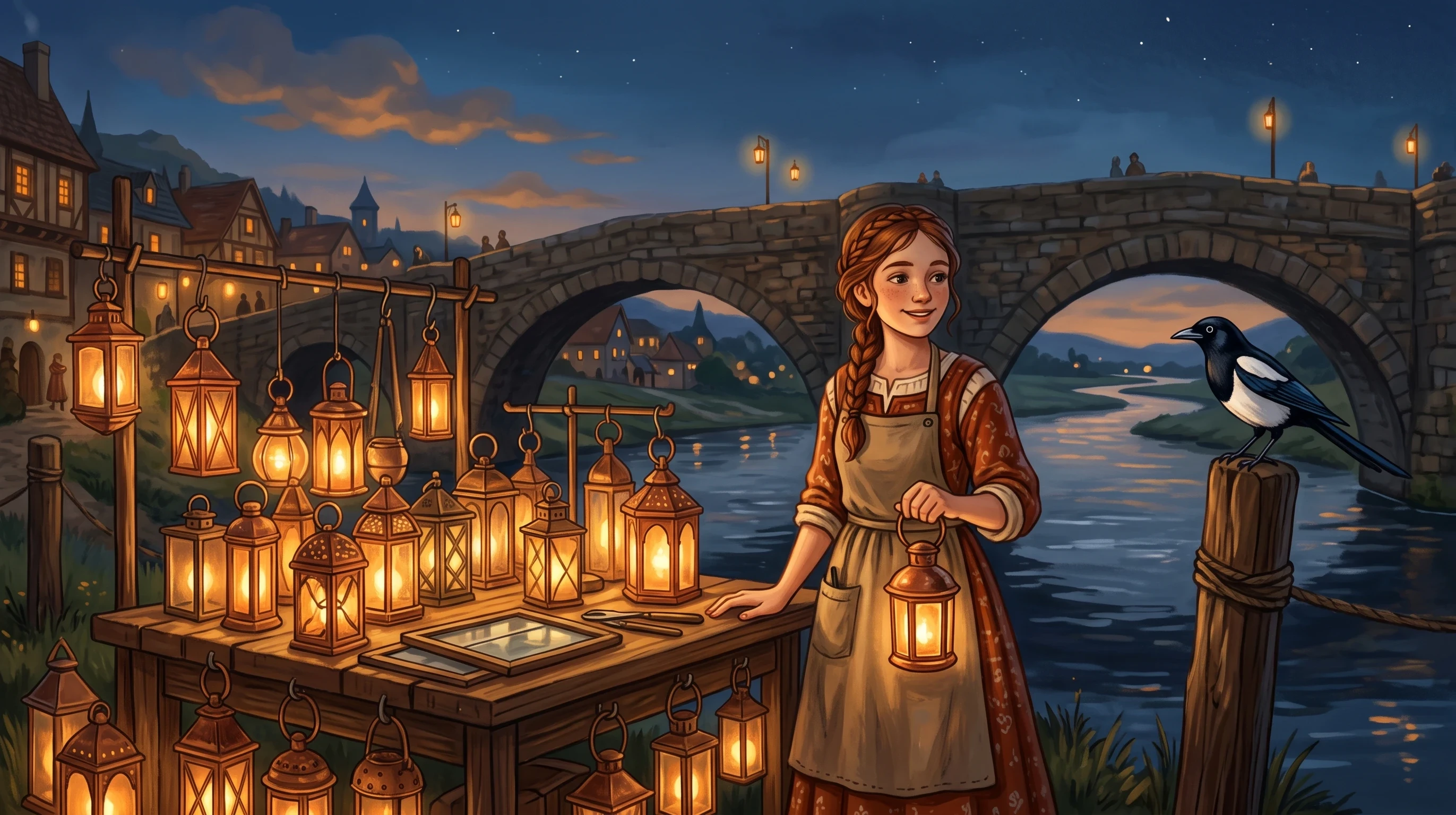
So she did what any determined young crafter would do. She dragged her best table to the mouth of the bridge, the busiest spot in the whole village, and lined it with lanterns, gleaming like a hundred captured stars.
And the people came.
Oh, how they came! Merchants with loaded carts, shepherds driving geese to market, children chasing hoops, old women gossiping in twos and threes. The whole restless river of Windmere Crossing flowed past Wren's table from sunup to sundown.
They looked. They admired. They said things like "how lovely" and "my, what fine glass."
And then they walked on.
Day after day, the crowd grew thicker, and Wren's coin purse grew no heavier at all. By the end of the third week, she sat behind her table of gleaming lanterns, surrounded by more people than she'd ever seen in her life, and felt more invisible than if she'd stayed home.
"I don't understand it," she said aloud, to no one in particular. "The whole village walks past me. Surely someone should be buying something."
A voice creaked from the shade of the bridge post beside her.
"Someone should be buying something," it agreed, "if buying is what any of them came to do."
Wren turned to find a stooped old peddler she'd seen many times but never spoken to, Old Bramwell Oak, a tinker who'd sold pins and thread and gossip at that very bridge for forty years, and who was rarely seen without a sharp-eyed magpie named Tallow perched on his shoulder, tilting her head at everything as if grading it.
"What do you mean?" Wren asked.
"I mean, girl, that a crowd is not a customer." Bramwell settled onto an overturned barrel with the groan of a man who'd settled onto many barrels. "Watch them. Truly watch."
So Wren watched.
She saw a farmer glance at her lanterns and hurry on, his eyes were on the sky, worried about rain before he reached home. He wasn't shopping for anything at all, only passing through. She saw two merchants stop and compare her lanterns to ones sold three stalls down, muttering about price, weighing one against the other with narrowed eyes. She saw a young mother pause, lantern in hand, staring at it with the specific hunger of someone who needed exactly this thing and didn't know if she could afford it.
Ready to put this into action?
Start your free journey today — no credit card required.
"Three different people," Bramwell said, "each walking right past your table, and not one of them was doing the same thing in her heart. One was only wandering. One was comparing. One was ready to be led home with a lantern under her arm . If only someone had walked her the last three steps."
Tallow the magpie clicked her beak, which Wren would later decide was the bird's way of saying obviously.
"So I need more people," Wren said.
"You need," said Bramwell, "to stop treating every pair of eyes the same. The wanderer needs nothing from you today. The comparer needs to trust your price is fair. The one who is ready, " he tapped the table, "she needs you to guide her hand those final three steps, or she will talk herself out of it and walk away poorer in courage than in coin."
Wren thought about this all through the night, and by morning she had rebuilt her table entirely.
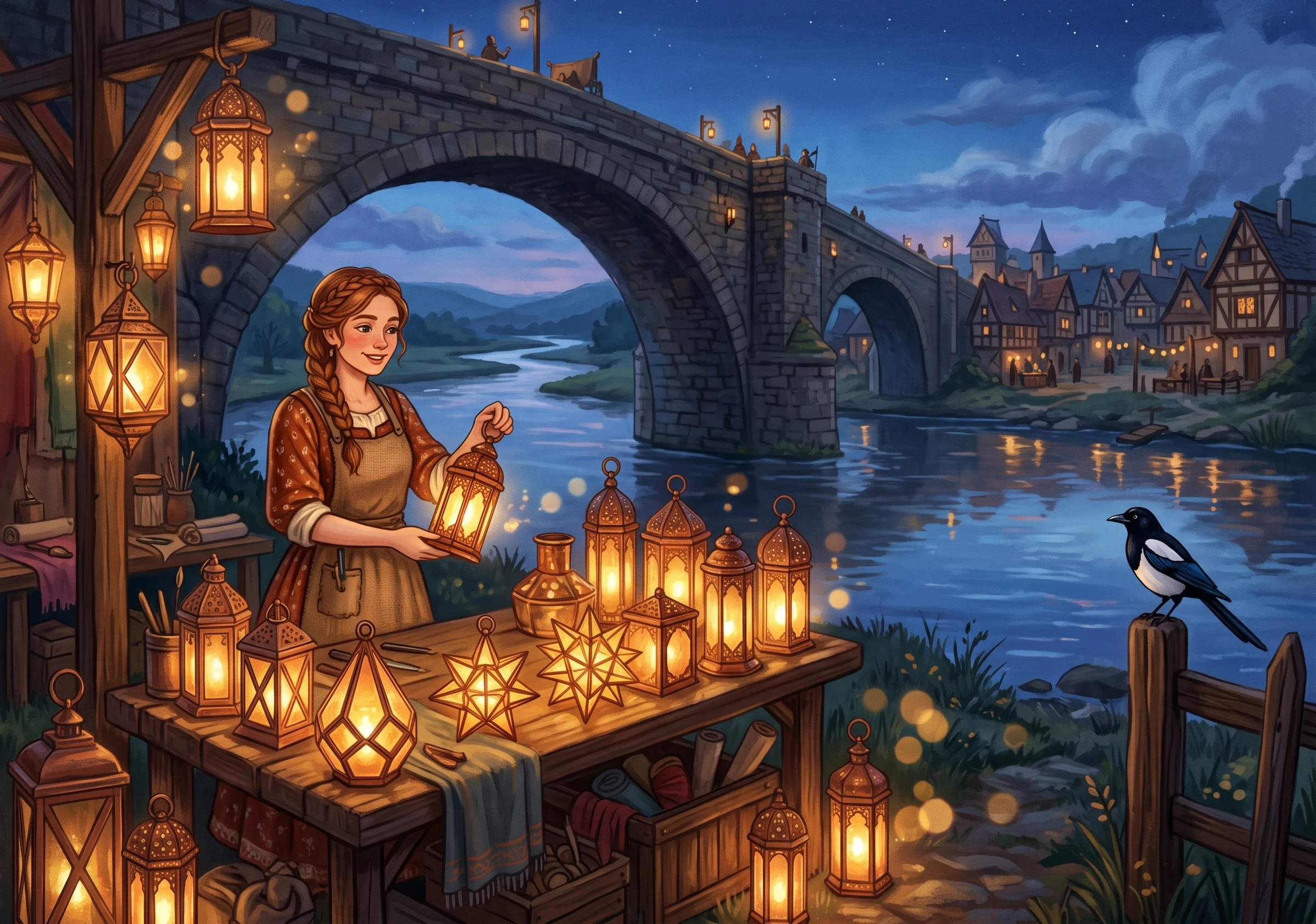
No longer did she simply pile her lanterns and wait. Now, when a wanderer passed, she offered a small kindness, a warm word, a bit of shade, nothing more, expecting nothing in return. When a comparer paused, she spoke plainly about what made her lantern different, and even admitted, honestly, when a neighbor's lantern was better suited for damp cellars than her own. And when she saw the hungry, ready look, the one the young mother had worn, she stepped forward, lit the lantern herself, and placed it gently in the woman's hands so she could feel its warmth before ever being asked to pay.
"There," Wren said. "You can see how it burns. If it suits you, I have three more like it at home."
The woman bought it. Then she bought a second, for her sister.
It was not a flood of coin. It was a trickle. But it was the first trickle Wren had ever seen, and she found she could not stop smiling for the rest of the day.
Encouraged, Wren made a second mistake almost immediately, the mistake of impatience. She began pressing every single passerby to buy, chasing wanderers three steps down the road, insisting comparers choose now. Her sales, which had begun to trickle, dried up entirely within a week.
"You've gone from silent to shouting," Bramwell observed, watching a farmer practically flee her table. "Neither one leads anybody anywhere. A path needs to be walked, not shoved."
"Then how do I lead without pushing?"
Bramwell picked up one of her lanterns and turned it slowly in the afternoon light. "Tell them a story with a beginning, a middle, and an end. First, name the trouble they already carry, the dark barn, the dangerous night road, the child afraid of shadows. Then show them the answer, plainly, without shouting. Then and only then, hand them the lantern, so the ending is theirs to hold."
So Wren built her table like a story. A small hand-lettered sign read: "Caught out after dark on the low road? Here is what six hundred travelers before you have carried home." Beside it, she kept a little scorched, battered old lantern from her grandmother's earliest days, so people could see for themselves how long good copper could last. Only after a visitor had lingered, asked a question, nodded at the answer, only then did she offer her polished lanterns, and only the one or two that actually suited the trouble they'd named.
She stopped scattering her lanterns across the whole table like seed thrown to birds. She placed them where the story pointed, the traveler's lantern beside the sign about the dark road, the cellar lantern beside a little painted picture of damp stone steps. Every lantern sat exactly where a visitor's own need had led them.
The trickle became a stream.
But Wren noticed something curious: her fastest sales were never her most loyal customers. The ones she'd rushed, the ones she'd oversold, rarely returned. It was the wanderers she'd once given shade to, and the comparers she'd once honestly redirected elsewhere, who came back weeks later, not for a lantern this time, but for two, or three, or an order for their whole household, and they brought their cousins.
"Why do the ones I helped for nothing come back with the most coin?" Wren asked Bramwell one evening, as they packed away their stalls beneath a violet sky.
The old man smiled the smile of someone who'd been waiting forty years for a young crafter to ask exactly that question.
"Because you gave them something before you asked for anything. A person remembers who guided them and who merely grabbed at them. Trust is a bridge, Wren, same as the one behind us. You cannot rush a bridge into existing. You lay it plank by plank, and then, one day, it simply holds the weight of everyone who walks it."
Tallow the magpie fluttered down and, with great ceremony, dropped a single bright copper coin she'd found in the dust directly onto Wren's palm, as if to prove the point herself.
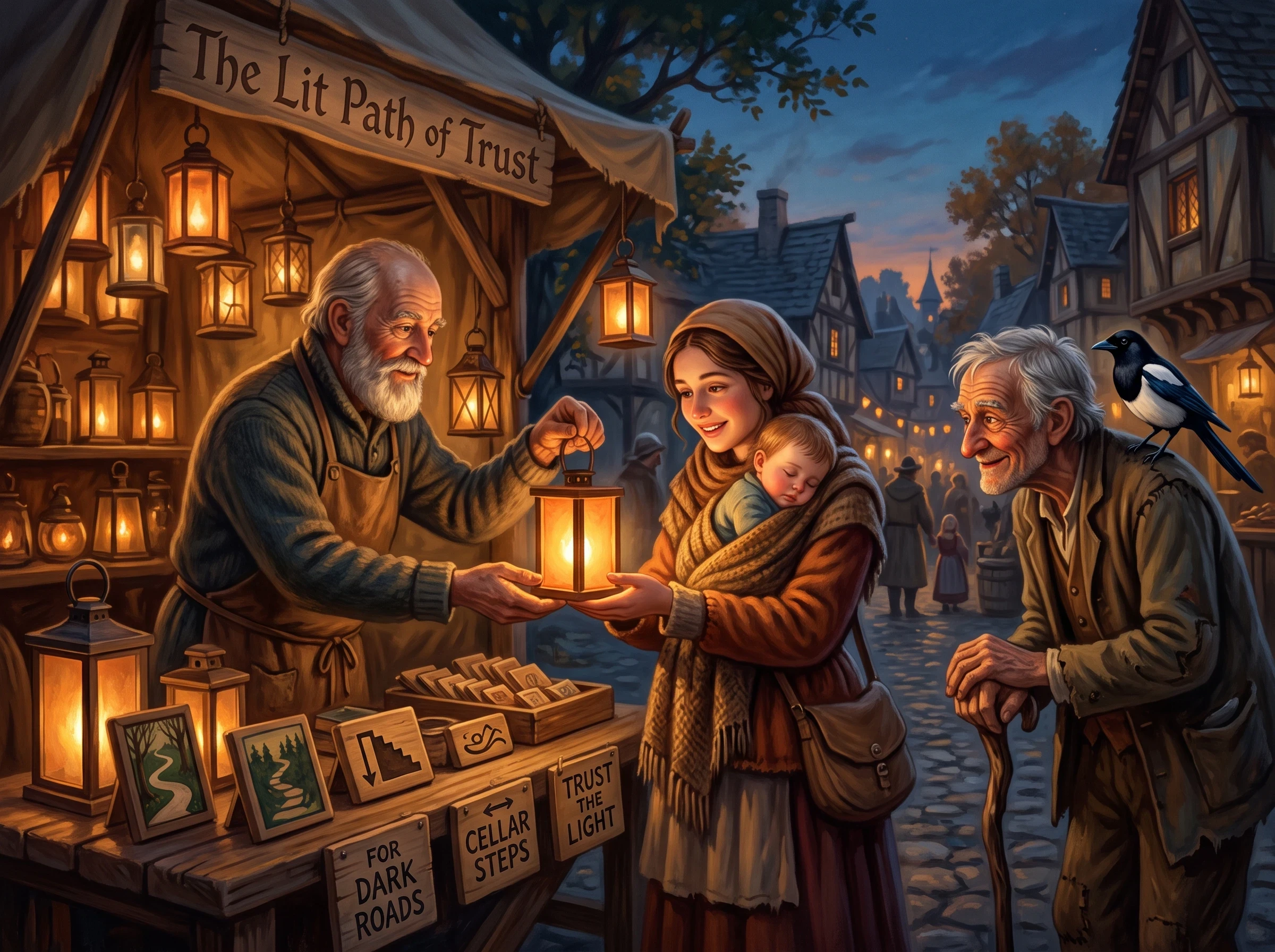
Seasons turned. Wren's little table grew into a proper stall, and then a shopfront, and word of the Lanternmaker of Windmere Crossing traveled with every trader who crossed that bridge, not because she had shouted the loudest, but because a hundred quiet travelers had each told one more traveler about the woman who understood exactly what kind of dark they were walking into, and handed them exactly the right light for it.
Some months, business was slow, and Wren remembered the long weeks of watching crowds walk past her empty purse, and she was tempted to despair. But she had learned, by then, that a good lantern, like a good lesson, like a good piece of guidance, kept burning long after it was made, lighting rooms Wren herself would never see, for people whose names she would never know.
And so it is still said, in villages up and down that river, that if you ever find yourself with a crowd at your table and no coin in your purse, you would do well to remember old Wren Thistledown: traffic is only footsteps. Trust is the bridge. And strategy is what finally walks them home.
Share this insight
This conversation is happening inside the community.
Join free to continue it.The Internet Changed. Now It Is Time to Build Differently.
If this article resonated, the next step is learning how to apply it. Inside Wealthy Affiliate, we break this down into practical steps you can use to build a real online business.
No credit card. Instant access.