The Illusion of Ownership: How Banks Use Your Money


Published on July 23, 2025
Published on Wealthy Affiliate — a platform for building real online businesses with modern training and AI.

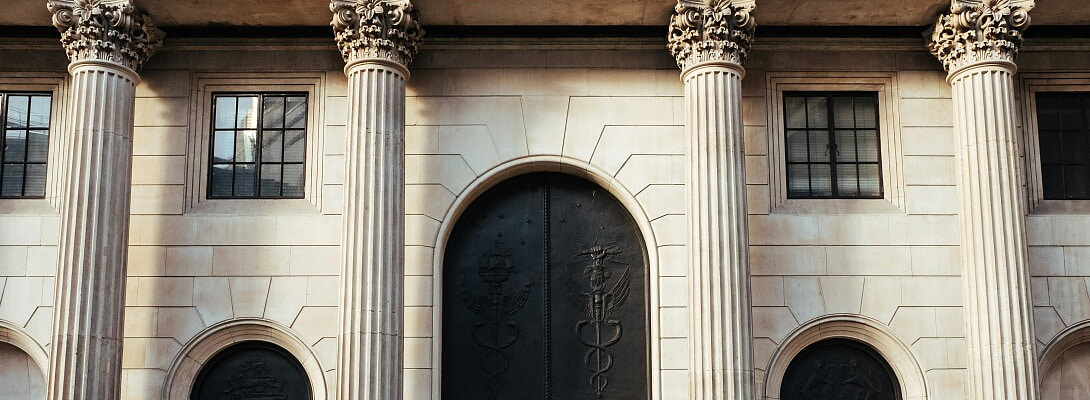
The Illusion of Ownership: How Banks Use Your Money
The Myth of Your Deposit
When you deposit money into a bank, you likely assume it’s safely tucked away, ready for you to withdraw. Yet, the banking system operates in a way that challenges this belief, using your deposits to drive lending and investments while exposing you to risks you may not fully grasp. This blog explores how banks handle your money, the debasement of currencies, and the interplay of interest rates and inflation in today’s financial landscape, with a focus on the UK and broader global context (Although a similar theory applies in most if not all jurisdictions).
Fractional Reserve Banking Explained
Banks operate on a fractional reserve system, keeping only a small portion of your deposits—typically 3-10%, depending on regulations—as cash. If you deposit £1,000, the bank might hold £50-£100 in reserve and lend or invest the remaining £900 in loans, bonds, or other assets. This creates a multiplier effect: the borrower may deposit their loan in another bank, which then lends out most of that deposit, and the cycle repeats. This process, known as money creation, expands the money supply but means your deposit isn’t entirely “yours”—it’s a promise, not a guarantee.
Ready to put this into action?
Start your free journey today — no credit card required.
The Risk of Bank Runs
This system depends on new deposits to meet withdrawal demands. If too many customers demand their money at once (a bank run), banks may lack sufficient cash, as seen in the 2008 global financial crisis or the 2023 collapse of some regional banks. In the UK, the Financial Services Compensation Scheme (FSCS) protects deposits up to £85,000 per person, per institution, but systemic failures could strain such safeguards. Banks profit by leveraging your money, offering you minimal interest (often under 1%) while earning higher returns on loans or investments.
Currency Debasement and Its Impact
Currency debasement exacerbates this. Central banks, like the Bank of England, create money to stimulate economies, reducing the value of your pounds. Since 2020, global money supply surged due to pandemic-related stimulus, with the UK’s M4 money supply growing significantly. This fueled inflation, which peaked at 11.1% in the UK in October 2022. Though inflation has eased to around 2-3% by mid-2025, the cumulative loss of purchasing power persists, eroding your savings’ real value.
Interest Rates and Bank Profits
Interest rates play a critical role. To tackle high inflation, the Bank of England raised its base rate to 5.25% by 2023, a level maintained into 2025 to stabilise prices. Higher rates increase borrowing costs, slowing economic activity but boosting bank profits on loans. Meanwhile, savers often receive paltry returns on deposits (e.g., 0.5-1.5% on savings accounts), well below inflation or the 5-7% banks charge on loans. This gap is how banks thrive: they borrow from you at low rates and lend at higher ones, while your money’s value dwindles.
Navigating the Risks
If loans default or investments fail, banks face losses, potentially destabilising the system. Depositors, expecting access to “their” money, may find it locked in illiquid assets or lost in a crisis. Cryptocurrencies and decentralised finance (DeFi) offer a promising alternative, empowering individuals to control their assets directly on secure blockchain networks. Despite past volatility, like the 2022 crypto market dip, innovations in stable-coins and DeFi platforms are gaining traction, providing greater transparency and potential returns.
In 2025, the banking system profits by leveraging your deposits, with currency debasement and the interest rate-inflation dynamic favouring banks over savers. Your money isn’t truly yours—it’s a tool for bank profits. Protect yourself by diversifying, staying informed, and questioning the illusion of ownership.
Share this insight
This conversation is happening inside the community.
Join free to continue it.The Internet Changed. Now It Is Time to Build Differently.
If this article resonated, the next step is learning how to apply it. Inside Wealthy Affiliate, we break this down into practical steps you can use to build a real online business.
No credit card. Instant access.