Natron Bicarbonate of Soda's Role In Glass Making


Published on March 26, 2017
Published on Wealthy Affiliate — a platform for building real online businesses with modern training and AI.
The first theory I found on the discovery of glass was the result of an accident. It was recorded by Plimy the elder in the first century. Plimy was a historian and writer.
The theory goes that Natron merchants sailing up the Palestine coast plying their wares stopped at the mouth of the Belus River near Ptolemais. They landed on shore to prepare their evening meal and found they could not find enough large stones to hold the cooking pots up off the fire so they used some pieces of Natron. The heat from the fire caused the sand to fuse to the Natron resulting in glass.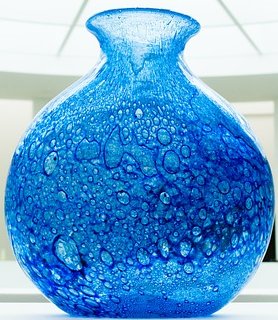
There are those that debunk this theory on the grounds it would takes an intense heat to fuse. William L. Monro was an American window glass maker in 1926. He conducted an experiment to see if the legend could in fact be feasible. He built an open fire and kept it burning for 2 hrs. When it had burnt down to charcoal he said he got temperatures of 2210 degrees F (1210 degrees C). He concluded that the legend could have been possible. Although most campfires only reach a temperature of between 600 and 700 degrees so who knows what was used in that first open fire.
Ready to put this into action?
Start your free journey today — no credit card required.
By 1330 BC during the reign of Tutankhamen in Egypt the knowledge of how to make colour glass was being put into practice. They found that by using crushed semi-precious stones colour could be added to glass. Fluorite will add a purple tint and Turquoise gave the glass a pale blue colour.
For the next 100 years glass developed in many different ways around the world. Soda from the Mediterranean regine came in the form of ashes from sea marshes and seaweed. Potash came from beechwood trees in Germany. These 2 soda and potash formed the base for glass production. The quality of the glass was dependent on how well the soda was produced.
In the Seventeenth century lead glass or flint glass was born. Flint glass was made from 3 parts of sand, 2 parts red lead and 1 part potash. Venetian glass was produced with soda.
In 1827 a carpenter invented a new method of pressing glass. It was then thin enough to be pressed into moods. It was found that by using bicarbonate of soda and lime instead of lead it was a lot cheaper to produce the glass. There was even a glass produced in United States in the 1880s called Burmese glass. Uranium was used in the procedure to produce a yellow or green colour. This glass was produced for 100 years before it was banned because it was deemed unsafe and hazardous to the workers creating the glass.
This post has only brought the history of glass to the 1940s. Their have been so many more advancements in glass making since then it would take a whole book to tell the story.
Share this insight
This conversation is happening inside the community.
Join free to continue it.The Internet Changed. Now It Is Time to Build Differently.
If this article resonated, the next step is learning how to apply it. Inside Wealthy Affiliate, we break this down into practical steps you can use to build a real online business.
No credit card. Instant access.