The Ultimate Seasonal Planting Guide: Year-Round Container Garden Success


Published on August 9, 2025
Published on Wealthy Affiliate — a platform for building real online businesses with modern training and AI.

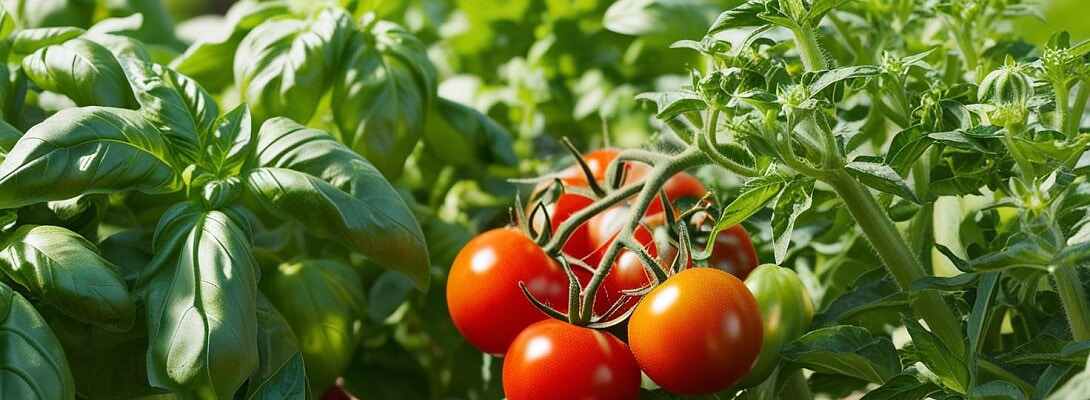
.
Master the art of seasonal planting and enjoy fresh harvests every month of the year
Timing is everything in gardening. While many gardeners limit themselves to spring planting and summer harvests, the truth is that with proper seasonal planning, you can maintain a thriving container garden throughout the entire year. After decades of experience with seasonal gardening, I've developed a foolproof system that maximizes your harvest potential by working with nature's rhythms instead of against them.
This comprehensive guide will transform you from a seasonal gardener into a year-round growing expert, ensuring your containers are always productive and your table is always filled with fresh, homegrown produce.
Why Seasonal Planting is Your Secret Weapon
Most gardeners make the mistake of thinking growing season means "spring through summer." This limiting belief costs them months of potential harvests and leaves containers empty when they could be producing food. Seasonal planting isn't just about extending your growing season – it's about maximizing your container space efficiency and creating sustainable abundance.
Container gardening actually gives you significant advantages for seasonal planting: you can move containers to optimal microclimates, extend seasons with protection, and control soil temperature more effectively than traditional beds.
Chapter 1: Understanding Your Growing Zones and Microclimates
Know Your Zone, Then Create Your Own.: Your USDA hardiness zone is just the starting point. Container gardening allows you to create microclimates that extend your possibilities:
- South-facing locations: Add 1-2 zones warmer
- Protected areas (against walls/fences): Add 1 zone warmer
- Elevated containers: Subtract 1 zone (more wind exposure)
- Large, dark containers: Add warmth equivalent to 1 zone
- Mulched containers: Add cold protection equivalent to 1 zone
The Microclimate Mapping Exercise. Walk your growing space during different times of day and seasons. Note:
- Morning sun locations (best for cool-season crops)
- All-day sun spots (perfect for heat-lovers)
- Afternoon shade areas (ideal for summer lettuce)
- Wind-protected zones (essential for fall/winter growing)
- Heat-absorbing surfaces like concrete or brick walls
Chapter 2: Spring Planting Strategy (March - May)
The Early Spring Rush (6-8 weeks before the last frost). This is when most gardeners are still planning, but you should already be planting! Cool-season crops prefer the gradually warming soil of early spring.
Cool-Season Champions:
- Lettuce varieties: Plant new seeds every 2 weeks for a continuous harvest
- Spinach: Choose bolt-resistant varieties like 'Tyee' or 'Space'
- Peas: Both snap and snow peas thrive in containers with proper support
- Radishes: Ready in 30 days, perfect for impatient gardeners
- Arugula: Grows incredibly fast and adds peppery flavor to salads
My Early Spring Container Setup: Use containers that can be easily covered with row cover or moved if unexpected hard frost threatens. Position in areas that receive morning sun but some afternoon protection – the goal is gradual warming, not shock.
Mid-Spring Intensive Planting (2-4 weeks before last frost). This is your power planting period for cool-season crops:
Brassica Family Success:
- Kale: Choose compact varieties like 'Dwarf Blue Curled'
- Cabbage: Use smaller varieties, perfect for container growing
- Broccoli: Plant transplants for best results in containers
- Brussels sprouts: Start early for fall harvest
Root Vegetables That , Work in Containers:
- Carrots: Choose shorter varieties like 'Paris Market' or 'Thumbelina'
- Beets: Both roots and greens are harvestable
- Turnips: Fast-growing, and both roots and greens are edible
Late Spring Warm-Up (After last frost) Now you can safely plant warm-season crops while your cool-season plants are still producing.
The Warm-Season Powerhouses:
- Tomatoes: Following your proven container method
- Peppers: Both sweet and hot varieties thrive in containers
- Eggplant: Choose compact varieties for container success
- Herbs: Basil, oregano, thyme – the flavor enhancers
Chapter 3: Summer Planting Mastery (June - August)
Early Summer Strategic Planning.. Most gardeners think summer is just for maintaining spring plantings, but strategic summer planting ensures fall and winter harvests.
Heat-Tolerant Summer Stars:
- Summer squash: Compact bush varieties work well in large containers
- Cucumbers: Vertical growing maximizes space
- Beans: Both bush and pole varieties, with succession planting
- Swiss chard: Handles heat better than spinach
- Heat-tolerant lettuce: Varieties like 'Nevada' and 'Jericho'
The Succession Planting Secret: Plant new crops every 2-3 weeks to ensure continuous harvests:
- Beans: New plantings every 3 weeks through mid-summer
- Lettuce: Weekly plantings of heat-tolerant varieties
- Radishes: Every 2 weeks for continuous crisp additions
Mid-Summer Fall Preparation (July) This is when experienced gardeners start thinking ahead to fall harvests.
Fall Crop Starter List:
- Broccoli: Start transplants indoors for August planting
- Cabbage: Begin seeds for fall harvest
- Kale: Direct seed for cold-weather sweetness
- Spinach: Start heat-tolerant varieties that will mature in cooler weather
Late Summer Intensive (August) The secret season that separates novice gardeners from experts.
Fall Garden Setup:
- Cool-season comeback: Lettuce, spinach, arugula return
- Asian greens: Bok choy, mizuna, tatsoi, love the cooling weather
- Root vegetables: Second plantings of carrots, beets, radishes
- Cover crops: Start thinking about soil building for next year
Chapter 4: Fall Planting Excellence (September - November)
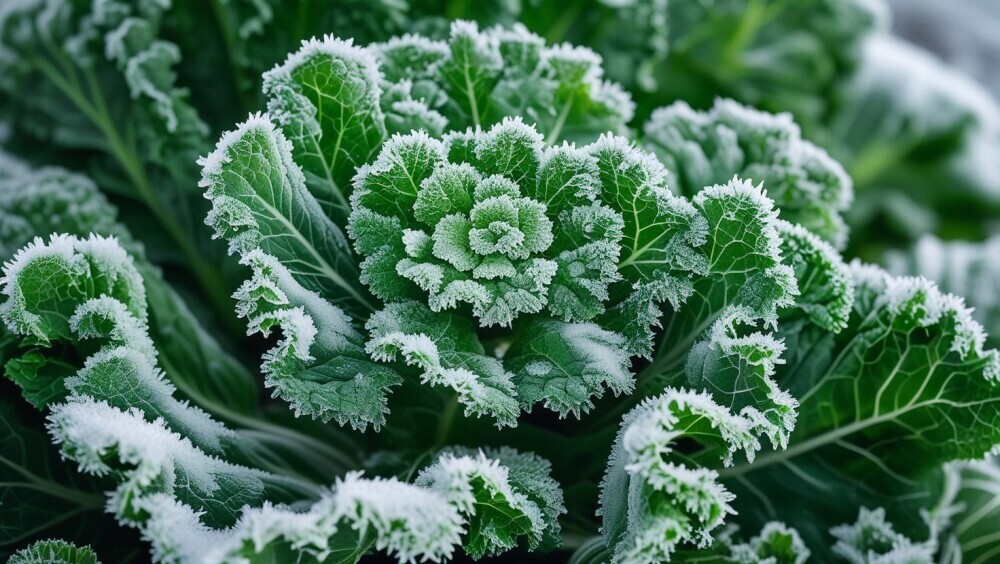 Early Fall Power Planting Fall might be the most productive season for container gardening – cooler weather means less watering, fewer pests, and sweeter vegetables.
The Fall Advantage:
Ready to put this into action?
Start your free journey today — no credit card required.
- Slower bolt times mean longer harvests
- Cool weather concentrates sugars in vegetables
- Less pest pressure than summer growing
- Consistent moisture from morning dew
Fall Superstars:
- Lettuce varieties: 'Winter Density', 'Arctic King', 'Rouge d'Hiver'
- Spinach: 'Bloomsdale Long Standing', 'Winter Giant'
- Mâche (corn salad): Ultra-cold hardy gourmet green
- Leeks: Plant transplants for winter harvest
- Garlic: Plant cloves for next summer's harvest
Mid-Fall Strategic Positioning Move containers to take advantage of lower sun angles and prepare for winter protection.
Container Positioning Strategy:
- South-facing locations become crucial
- Wind protection becomes more important
- Group containers together for mutual protection
- Position near heat-absorbing structures
Late Fall Preparation Mode: Setting up for winter success and spring jump-starts.
Winter Prep Checklist:
- Install cold protection systems
- Plant spring bulbs in containers
- Start planning next year's garden layout
- Begin indoor seed starting setups
Chapter 5: Winter Growing Secrets (December - February)
The Winter Growing Revelation.: Most gardeners assume winter means dormancy, but cold-hardy crops thrive in winter containers with proper protection.
Cold-Hardy Champions:
- Winter lettuce: Surprisingly productive with protection
- Spinach: Becomes incredibly sweet after frost
- Kale: Improves in flavor after cold exposure
- Mâche: Grows actively in near-freezing temperatures
- Winter herbs: Parsley, chives, rosemary (depending on zone)
Protection Strategies That Work:
- Row covers: Add 4-8 degrees of protection
- Cold frames: Mini-greenhouse effect for containers
- Wall protection: Position against south-facing walls
- Mulching: A Thick mulch layer protects roots
- Grouping: Containers clustered together stay warmer
Indoor Growing Integration Supplement outdoor winter growing with strategic indoor container gardens.
Winter Indoor Setup:
- Microgreens: Fast, nutritious, and space-efficient
- Sprouts: Year-round fresh additions to meals
- Herbs: Basil, cilantro, parsley on sunny windowsills
- Lettuce: Under grow lights for continuous supply
Chapter 6: Advanced Seasonal Techniques
The Rotation Revolution: A Plan to use your containers like a professional farm with systematic crop rotation.
Four-Season Rotation System:
- Spring: Heavy feeders (tomatoes, peppers, squash)
- Summer: Legumes (beans, peas) to fix nitrogen
- Fall: Root vegetables and brassicas
- Winter: Light feeders or soil-building cover crops
Companion Planting Through Seasons: Maximize container space with strategic plant partnerships that change seasonally.
Seasonal Companion Examples:
- Spring: Lettuce around tomato transplants (harvested before tomatoes need space)
- Summer: Basil with tomatoes and peppers
- Fall: Radishes with slower-growing brassicas
- Winter: Herbs with hardy greens
The Succession Mastery Method Advanced timing ensures you never have empty containers or harvest gaps.
Professional Succession Schedule:
- Weekly: Quick crops like lettuce, radishes, and microgreens
- Bi-weekly: Medium crops like spinach, arugula, Asian greens
- Monthly: Longer crops like kale, chard, herbs
- Seasonal: Major crops like tomatoes, peppers, and winter squash
Chapter 7: Seasonal Soil and Nutrition Management
Feeding Through the Seasons Container plants need different nutrition throughout the year to match their growth patterns and environmental stresses.
Spring Nutrition Strategy:
- Higher nitrogen for leafy growth
- Gradually increasing phosphorus as flowering begins
- Consistent moisture as root systems establish
Summer Feeding Intensity:
- Balanced nutrition for fruit development
- More frequent feeding due to rapid growth
- Extra potassium for heat stress resistance
Fall Nutrition Transition:
- Reduced nitrogen to prevent tender growth
- Increased potassium for cold hardiness
- Phosphorus for root development
Winter Maintenance Mode:
- Minimal feeding for dormant plants
- Soil preparation for spring planting
- Compost integration for soil building
Chapter 8: Seasonal Problem Prevention
Spring Challenges and Solutions
- Damping off: Improve air circulation and avoid overwatering
- Slug damage: Use copper barriers or diatomaceous earth
- Cutworms: Collar transplants with cardboard rings
Summer Stress Management
- Heat stress: Provide afternoon shade and consistent moisture
- Spider mites: Increase humidity around plants
- Blossom end rot: Maintain a consistent watering schedule
Fall Pest Control
- Aphids: Use beneficial insects or insecticidal soap
- Caterpillars: Row covers or Bt applications
- Root maggots: Floating row covers during egg-laying periods
Winter Protection Protocols
- Freeze damage: Know your protection thresholds
- Wind damage: Secure all containers and supports
- Moisture management: Prevent both drought and waterlogging
Chapter 9: Creating Your Seasonal Calendar
The Master Planning System: Create a personalized planting calendar based on your specific location, container setup, and family preferences.
Your Custom Calendar Components:
- Last and first frost dates for your specific microclimate
- Variety selection based on your container sizes and growing conditions
- Family preferences prioritizing crops you eat
- Preservation goals planning for canning, freezing, or dehydrating
- Succession schedules ensure continuous harvests
Monthly Action Planning: Break down your year into specific monthly tasks and planning schedules.
Sample Monthly Framework:
- What to plant: Specific varieties and quantities
- What to harvest: Expected ready crops
- Maintenance tasks: Feeding, pruning, protection
- Preparation activities: Soil prep, seed starting, container setup
Your Year-Round Success Action Plan
Transform your container garden into a four-season production system with these immediate steps:
- Assess your space: Map microclimates and optimal container positions for each season
- Plan your first season: Start with the upcoming season using the guidelines above
- Prepare protection systems: Invest in row covers, cold frames, or other season-extending tools
- Create succession schedule: Plan weekly plantings for continuous harvests
- Build your seed library: Source varieties specifically chosen for seasonal growing
- Start your garden journal: Track what works in your specific conditions and timing
The Seasonal Mindset Shift. Success in year-round container gardening comes from thinking seasonally rather than annually. Each season brings unique opportunities and requires specific strategies. By mastering seasonal planting, you're not just growing more food – you're creating a sustainable, productive system that works with natural cycles.
Ready to become a four-season container gardening master? Start with the current season's recommendations and build your confidence before expanding to year-round growing. Share your seasonal growing questions in the comments below – I love helping gardeners optimize their planting strategies!
Transform your growing space into a year-round food production system with these proven seasonal strategies. Happy growing!
Have questions about the four-season container gardening? Drop them in the comments below – I respond to every gardening question.
Share this insight
This conversation is happening inside the community.
Join free to continue it.The Internet Changed. Now It Is Time to Build Differently.
If this article resonated, the next step is learning how to apply it. Inside Wealthy Affiliate, we break this down into practical steps you can use to build a real online business.
No credit card. Instant access.