A Complete Guide to Plant Propagation: From Single Plant to Garden Paradise


Published on August 19, 2025
Published on Wealthy Affiliate — a platform for building real online businesses with modern training and AI.


Master the art of creating unlimited plants from your existing collection with proven propagation techniques
Plant propagation is one of gardening's most rewarding skills – the ability to create dozens of plants from a single parent opens up endless possibilities for expanding your garden, sharing with friends, and building plant collections without breaking the budget. Whether you're working with indoor houseplants, outdoor vegetables, or treasured herbs, propagation transforms you from a plant buyer into a plant creator.
After years of perfecting propagation techniques across hundreds of plant varieties, I've developed comprehensive systems that work for beginners and challenge experienced growers. This guide will take you from basic cutting techniques to advanced grafting methods, ensuring you can successfully propagate virtually any plant you encounter.
Propagation isn't just about saving money – it's about preserving favorite varieties, sharing garden treasures, and understanding plants at their most fundamental level. Every successful propagation connects you deeper to the miracle of plant growth and regeneration.
Why Mastering Plant Propagation Changes Everything
Most gardeners spend years buying plants they could easily create themselves. Understanding propagation principles transforms your relationship with plants from consumer to creator. A single basil plant becomes dozens. One treasured heirloom tomato variety becomes a permanent part of your garden. That expensive houseplant becomes gifts for every friend who admires it.
Propagation also provides insurance for your garden investments. Weather disasters, pest damage, or simple plant mortality become manageable when you can quickly regenerate lost plants from your propagated backups.
Chapter 1: Understanding Plant Biology and Propagation Fundamentals
The Science Behind Plant Reproduction Successful propagation requires understanding how plants naturally reproduce and regenerate.
Sexual vs. Asexual Reproduction: Sexual Reproduction (Seeds):
- Creates genetic diversity through pollination
- Produces plants that may vary from the parents
- Best for: Annual vegetables, flowers, and some herbs
- Challenges: Hybrid varieties don't breed true, longer time to maturity
Asexual Reproduction (Vegetative Propagation):
- Creates identical clones of parent plants
- Maintains exact characteristics of the original plant
- Best for: Houseplants, perennial herbs, fruit trees, special varieties
- Advantages: Faster establishment, guaranteed traits
Plant Growth Hormones and Propagation: Natural Rooting Hormones:
- Auxins: Promote root development in cuttings
- Cytokinins: Encourage shoot and leaf development
- Gibberellins: Stimulate overall growth and cell elongation
Environmental Factors for Success:
- Temperature control: Most propagation succeeds in the 65-75°F range
- Humidity management: High humidity prevents cutting desiccation
- Light requirements: Bright, indirect light for most propagation
- Air circulation: Prevents fungal diseases in humid conditions
Chapter 2: Essential Propagation Equipment and Setup
Building Your Propagation Toolkit Professional results require proper tools and setup, but most equipment is surprisingly affordable.
Cutting Tools: Sharp, Clean Blades:
- Bypass pruners: Clean cuts on woody stems up to 3/4 inch
- Sharp knife or razor blade: Precision cuts on small stems
- Scissors: Fine work on delicate plants and small cuttings
- Sterilization supplies: Rubbing alcohol for tool cleaning between plants
Rooting Mediums: Soil-Based Options:
- Seed starting mix: Light, well-draining, sterile medium
- Perlite and peat blend: 50/50 mix for excellent drainage
- Coconut coir mixture: Sustainable alternative to peat-based mediums
Soilless Options:
- Water propagation: A Simple method for many houseplants and herbs
- Perlite only: Excellent drainage, easy root inspection
- Sand and perlite: Heavy rooting medium for woody cuttings
Propagation Containers: Indoor Propagation:
- Small pots: 2-4 inch containers for individual cuttings
- Seed trays: Multiple propagation in an organized system
- Clear containers: Allow root development monitoring
- Humidity domes: Maintain consistent moisture around cuttings
Environmental Control: Heat Sources:
- Heat mats: Bottom heat encourages faster root development
- Warm locations: Top of refrigerator, near heating systems
- Temperature monitoring: Thermometers ensure optimal conditions
Humidity Control:
- Plastic bag tents: Simple humidity chambers for individual pots
- Misting bottles: Fine spray for maintaining surface moisture
- Humidity trays: Pebbles and water increase ambient humidity
Chapter 3: Mastering Stem Cutting Propagation
The Foundation of Plant Propagation Stem cuttings represent the most versatile and widely applicable propagation method.
Selecting Perfect Cutting Material: Timing for Success:
- Softwood cuttings: New growth in spring and early summer
- Semi-hardwood cuttings: Partially mature growth in mid to late summer
- Hardwood cuttings: Dormant season wood from deciduous plants
Cutting Selection Criteria:
- Healthy parent plants: Never take cuttings from stressed or diseased plants
- Non-flowering shoots: Vegetative growth roots more readily than flowering stems
- Proper length: 4-6 inches provides adequate material while conserving the parent plant
- Node inclusion: Each cutting must include at least 2-3 nodes for root development
Advanced Cutting Techniques: Heel Cuttings:
- Include a small section of older wood at the cutting base
- Particularly effective for woody herbs like rosemary and lavender
- Provides natural hormone concentration for improved rooting
Mallet Cuttings:
- Include a section of the main branch with a side shoot
- Excellent for difficult-to-root plants like some fruit trees
- Provides maximum hormone and nutrient reserves
Rooting Hormone Applications: Commercial Rooting Hormones:
- Powder form: Easy application, long shelf life
- Liquid concentrates: Precise dilution for different plant types
- Gel formulations: Adheres well to cutting surfaces
Natural Rooting Promoters:
- Willow water: Soak willow twigs to extract natural auxins
- Honey solution: Natural antimicrobial and mild rooting promoter
- Cinnamon powder: Antifungal properties protect cutting wounds
Chapter 4: Water Propagation Mastery
The Simplest Path to Plant Multiplication:, Water propagation offers the easiest entry into plant propagation with visible results.
Water Propagation Champions: Houseplant Superstars:
- Pothos varieties: Root in days, nearly foolproof success
- Philodendrons: Aerial roots make propagation effortless
- Monstera deliciosa: Dramatic results with large aerial roots
- Snake plants: Leaf cuttings root slowly but reliably
- Rubber trees: Tip cuttings root well in warm water
Herb Garden Favorites:
- Basil: Roots appear within days in warm water
- Mint: Spreads aggressively, roots from any node
- Oregano: Softwood cuttings root quickly and reliably
- Rosemary: Requires patience but roots consistently in water
Water Propagation Optimization: Container Selection:
- Clear glass: Allows root monitoring and light penetration
- Wide openings: Easy cutting, insertion and maintenance
- Stable base: Prevents tipping with tall cuttings
Water Management:
- Change frequency: Fresh water every 3-5 days prevents bacterial buildup
- Water temperature: Room temperature water prevents shock
- Water quality: Filtered or distilled water for sensitive plants
- Root development: Transplant when roots reach 1-2 inches long
Troubleshooting Water Propagation: Common Problems and Solutions:
- Bacterial rot: More frequent water changes, smaller cutting pieces
- Slow root development: Add rooting hormone, increase warmth
- Leaf yellowing: Normal process, remove yellowed leaves promptly
- Root rot: Start fresh with a new cutting and a clean container
Chapter 5: Advanced Root Division and Separation
Multiplying Established Plants Division techniques work with plants that naturally form multiple growing points or offset structures.
Root Division Candidates: Perennial Vegetables:
Ready to put this into action?
Start your free journey today — no credit card required.
- Asparagus: Divide established crowns in early spring
- Rhubarb: Split large crowns every 4-5 years
- Jerusalem artichokes: Each tuber piece with an eye becomes a new plant
- Perennial onions: Separate bulb clusters for expansion
Herb Division Specialists:
- Chives: Dense clumps divide easily into multiple plants
- Oregano: Spreading roots create natural division points
- Tarragon: French tarragon requires division as it doesn't seed
- Lemon grass: Separate individual tillers from the main clump
Houseplant Division Opportunities:
- Snake plants: Separate individual leaves with root systems
- ZZ plants: Divide rhizomes with multiple growth points
- Peace lilies: Split crowns during repotting
- Spider plants: Remove and root natural plantlets
Professional Division Techniques: Timing Division Operations:
- Spring division: Before active growth begins, less stress on plants
- Fall division: After flowering, allows establishment before winter
- Dormant season: For hardy perennials, minimal disturbance to the plant
Division Process Mastery: Tools and Preparation:
- Sharp spade or knife: Clean cuts minimize damage and disease risk
- Clean containers: Prepare pots with appropriate growing medium
- Root pruning shears: Remove damaged or excessive root material
- Antifungal treatment: Dust cut surfaces to prevent rot
Chapter 6: Seed Propagation Excellence
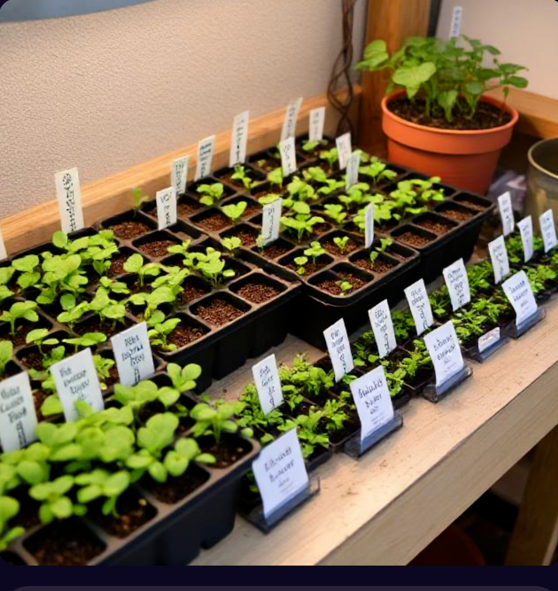 Starting from Scratch,, Seed propagation offers the greatest variety and lowest cost per plant while maintaining genetic diversity.
Seed Selection Strategy: Open-Pollinated vs. Hybrid Seeds:
- Heirloom varieties: Save seeds for next year's planting
- Hybrid seeds: Superior performance, but don't breed true
- Treated seeds: Pre-treated for disease resistance or improved germination
- Pelleted seeds: Easier handling and spacing for small seeds
Seed Viability and Testing:
- Germination testing: Test percentage before large-scale planting
- Storage conditions: Cool, dry, dark storage extends seed life
- Seed age consideration: Understand species-specific viability periods
- Purchase timing: Buy fresh seeds for the best germination rates
Advanced Seed Starting Techniques: Pre-Germination Treatments: Scarification Methods:
- Mechanical scarification: File or sand hard seed coats
- Chemical scarification: Acid treatment for extremely hard seeds
- Hot water treatment: Soak seeds in near-boiling water
Stratification Requirements:
- Cold stratification: Simulate winter conditions for spring germinators
- Warm stratification: Tropical seed requirements for germination
- Multiple-stageseed-starting stratification: Complex requirements for some native plants
Optimal Germination Environment: Temperature Control:
- Species-specific requirements: Research optimal germination temperatures
- Heat mat usage: Provide bottom heat for faster, more uniform germination
- Temperature fluctuation: Some seeds require day/night temperature variation
Moisture Management:
- Consistent moisture: Never allow seed seed-starting medium to dry completely
- Drainage importance: Prevent waterlogged conditions that cause rot
- Humidity control: Cover containers to maintain surface moisture
Chapter 7: Layering Techniques for Difficult Plants
Propagation While Plants Remain Attached Layering allows propagation of plants that resist other methods while maintaining parent plant support.
Air Layering Mastery: Best Candidates for Air Layering:
- Rubber plants: Large houseplants that have become too tall
- Fruit trees: Propagate exact varieties with known characteristics
- Woody herbs: Rosemary, lavender, and other difficult-to-root plants
- Tropical plants: Monstera, fiddle leaf figs, and similar species
Air Layering Process: Wound Creation:
- Ring barking: Remove the complete ring of bark to interrupt nutrient flow
- Upward cut method: Single cut halfway through the stem with a toothpick spacer
- Scraping method: Remove bark and cambium layer in a small section
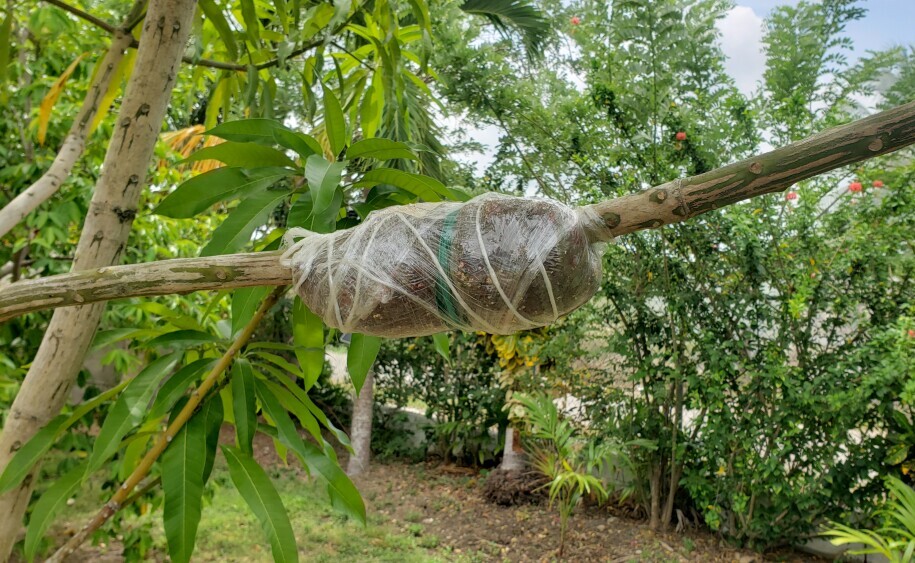 Medium and Wrapping:
- Sphagnum moss: Maintains moisture while allowing air penetration
- Plastic wrap: Create a sealed environment around the moss and the wound
- Aluminum foil: Outer layer blocks light and reflects heat
- Secure ties: Ensure a tight seal without cutting into plant tissue
Ground Layering Variations: Simple Layering:
- Flexible branch selection: Choose low-growing, bendable branches
- Wound treatment: Light scarification where the branch contacts the soil
- Soil preparation: Ensure a well-draining, fertile medium at the contact point
- Anchoring methods: Secure the branch to prevent movement while rooting
Tip Layering:
- Natural rooters: Blackberries, grapes, and similar trailing plants
- Timing consideration: Late summer tip layering for spring separation
- Depth requirements: Bury the growing tip 3-4 inches in prepared soil
Chapter 8: Specialized Propagation Methods
Advanced Techniques for Specific Plant Groups Certain plants require specialized approaches that go beyond standard cutting and division methods.
Bulb and Tuber Propagation: Bulb Multiplication:
- Natural offset removal: Separate small bulbs from parent during dormancy
- Scaling: Remove individual bulb scales and root separately
- Bulbil collection: Harvest aerial bulbils from plants like garlic and lilies
- Cross-section cutting: Cut large bulbs into sections with growing points
Tuber Division:
- Eye identification: Each division must include at least one growing eye
- Curing period: Allow cut surfaces to dry and callus before planting
- Storage conditions: Maintain appropriate temperature and humidity
- Timing division: Perform just before planting season for best results
Grafting Fundamentals: Why Grafting Works:
- Rootstock benefits: Disease resistance, vigor, size control
- Scion preservation: Maintain exact variety characteristics
- Climate adaptation: Combine hardy roots with desired fruit varieties
- Space efficiency: Multiple varieties on a single rootstock
Basic Grafting Techniques: Whip and Tongue Graft:
- Size matching: Rootstock and scion should be of similar diameter
- Clean cuts: A Sharp knife creates smooth surfaces for maximum contact
- Cambium alignment: The Green growing layer must touch for union success
- Securing method: Grafting tape or rubber bands hold pieces together
Cleft Grafting:
- Larger rootstock: Method for grafting onto established branches
- Multiple scions: Insert 2-4 scions for a higher success rate
- Sealing compound: Prevent moisture loss and disease entry
- Support system: Stake grafted areas until the union strengthens
Leaf Propagation Specialists: Succulent Leaf Propagation:
- Leaf selection: Choose plump, undamaged leaves from healthy plants
- Callus formation: Allow the cut end to dry before placing it on the growing medium
- Environmental conditions: Warm, bright location with minimal water
- Patience requirement: Roots and shoots develop slowly over weeks
African Violet Leaf Cuttings:
- Petiole method: Root leaf stems in water or moist vermiculite
- Leaf sectioning: Cut large leaves into sections with prominent veins
- Temperature consistency: Maintain 70-75°F for best results
- Humidity control: Cover the propagation area to prevent desiccation
Chapter 9: Seasonal Propagation Planning
Timing Your Propagation for Maximum Success:the Understanding seasonal rhythms dramatically improves propagation success rates across all plant types.
Spring Propagation Opportunities: Early Spring Power Period (March-April):
- Dormant hardwood cuttings: Root before the parent plants leaf out
- Root division: Cool temperatures reduce transplant shock
- Seed starting: Begin warm-season crops indoors for later transplant
- Air layering initiation: Start the process early for fall completion
Late Spring Activity (May-June):
- Softwood cuttings: New growth provides excellent cutting material
- Herb propagation: Basil, oregano, and other herbs root quickly
- Water propagation: Warm temperatures speed root development
- Grafting window: Active growth ensures successful union
Summer Propagation Strategies: Early Summer Focus (June-July):
- Semi-hardwood cuttings: Partially matured growth roots reliably
- Layering continuation: Monitor and maintain spring-started layers
- Seed collection: Harvest seeds from early-flowering plants
- Bulb gathering: Collect aerial bulbs from garlic and lilies
Late Summer Preparation (August-September):
- Fall division planning: Identify plants needing division
- Hardwood cutting preparation: Select and mark material for the dormant season
- Seed finishing: Complete seed collection and processing
- Root cutting harvest: Collect root material from appropriate plants
Fall Propagation Excellence: Early Fall Division Season (September-October):
- Perennial division: Divide spring and summer flowering perennials
- Bulb propagation: Separate and replant bulb offsets
- Root cuttings: Take root cuttings from plants entering dormancy
- Stratification setup: Begin cold treatment for seeds requiring it
Late Fall Preparation (November-December):
- Hardwood cutting collection: Harvest dormant wood for spring rooting
- Storage preparation: Organize and store propagation materials
- Indoor setup: Prepare winter propagation areas and equipment
- Planning session: Review the .year's successes and plan next year's projects
Winter Propagation Activities: Indoor Focus Period:
- Houseplant propagation: Ideal time for indoor plant multiplication
- Seed stratification: Continue cold treatment processes
- Equipment maintenance: Clean and repair propagation tools and containers
- Education and planning: Study new techniques and plan expansion
Chapter 10: Troubleshooting and Advanced Problem Solving
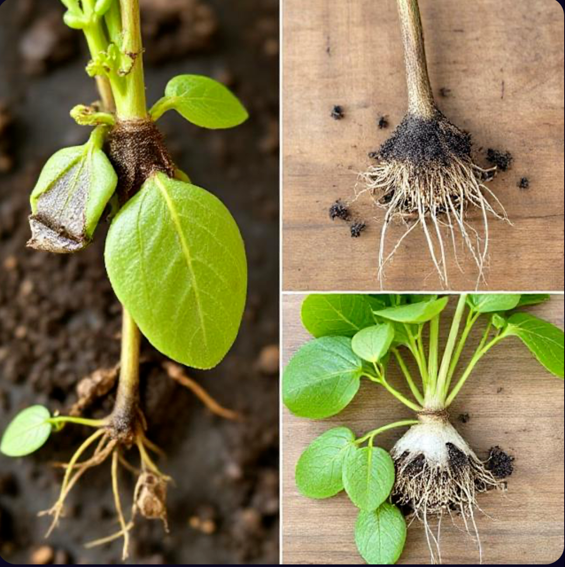 Overcoming Common Propagation Challenges. Even experienced propagators encounter setbacks. Understanding problem diagnosis and solution implementation separates successful propagators from frustrated beginners.
Failure Analysis and Prevention: Common Cutting Failures: Rot Issues:
- Symptoms: Black, mushy stem bases, foul odor
- Causes: Excessive moisture, poor drainage, contaminated tools
- Prevention: Sterile tools, well-draining medium, and a appropriate watering
- Treatment: Remove affected portions, start fresh with clean materials
Poor Root Development:
- Symptoms: Slow or absent root formation, declining cutting health
- Causes: Wrong hormone concentration, poor environmental conditions
- Solutions: Adjust temperature, increase humidity, try a a different rooting medium
- Timing considerations: Some plants naturally root slowly
Environmental Problem Solving: Temperature Issues:
- Too cool: Slow growth, increased disease susceptibility, poor root development
- Too warm: Excessive transpiration, wilting, accelerated decline
- Solutions: Heat mats, location changes, temperature monitoring
- Species variation: Research specific temperature requirements
Humidity Challenges:
- Too low: Rapid moisture loss, wilting, cutting failure
- Too high: Fungal diseases, rot problems, poor air circulation
- Balancing act: Provide humidity while maintaining air movement
- Monitoring tools: Hygrometers help maintain optimal conditions
Advanced Troubleshooting Techniques: Plant-Specific Solutions:
- Research requirements: Each species has unique propagation needs
- Seasonal adjustments: Modify techniques based on natural growing cycles
- Genetic factors: Some varieties propagate more easily than others
- Parent plant health: Stressed plants produce poor propagation material
Contamination Prevention:
- Tool sterilization: Clean cutting tools between plants and species
- Medium freshness: Use sterile potting materials for propagation
- Water quality: Avoid contaminated water sources
- Workspace cleanliness: Maintain clean propagation areas
Success Rate Improvement: Record Keeping:
- Track success rates: Identify which methods work best for specific plants
- Environmental documentation: Note temperature, humidity, and light conditions
- Timing records: Understand seasonal patterns in your propagation
- Variety notes: Some cultivars propagate better than others
Scaling Up Production:
- Batch processing: Propagate multiple plants simultaneously for efficiency
- Space optimization: Maximize propagation area utilization
- Resource management: Budget for soil, containers, and equipment
- Time management: Schedule propagation activities for best results
Your Plant Propagation Success Blueprint: Transform your single plants into an abundant collection with this systematic approach:
- Master basic techniques: Start with easy plants like pothos and basil to build confidence
- Invest in proper tools: Sharp, clean cutting tools and appropriate containers
- Create optimal environments: Control temperature, humidity, and light for success
- Keep detailed records: Track what works and what doesn't for future improvement
- Plan seasonally: Time propagation activities for natural plant rhythms
- Start propagation library: Build a collection of parent plants for future propagation
- Share and trade: Connect with other gardeners to exchange plants and knowledge
- Experiment and expand: Try new techniques as your skills and confidence grow
The Propagation Mindset Revolution: Success in plant propagation comes from understanding that every plant wants to reproduce and survive. Your role is simply to provide the right conditions and techniques to help natural processes succeed. Each successful propagation connects you deeper to plant biology and the fundamental drives of life itself.
By mastering these propagation techniques, you're not just creating more plants – you're developing a sustainable approach to gardening that reduces costs, preserves favorite varieties, and creates endless opportunities for sharing plant treasures with others.
Ready to become a propagation expert? Start with 2-3 easy plants using basic cutting techniques, set up proper environmental conditions, and build your skills progressively. Share your propagation successes and questions in the comments below – I love helping gardeners multiply their plant collections!
Turn every plant into dozens with these proven propagation strategies. Happy growing!
Share this insight
This conversation is happening inside the community.
Join free to continue it.The Internet Changed. Now It Is Time to Build Differently.
If this article resonated, the next step is learning how to apply it. Inside Wealthy Affiliate, we break this down into practical steps you can use to build a real online business.
No credit card. Instant access.