Using Copyrighted Music Videos On YouTube: What You Need To Know!


Published on July 28, 2024
Published on Wealthy Affiliate — a platform for building real online businesses with modern training and AI.

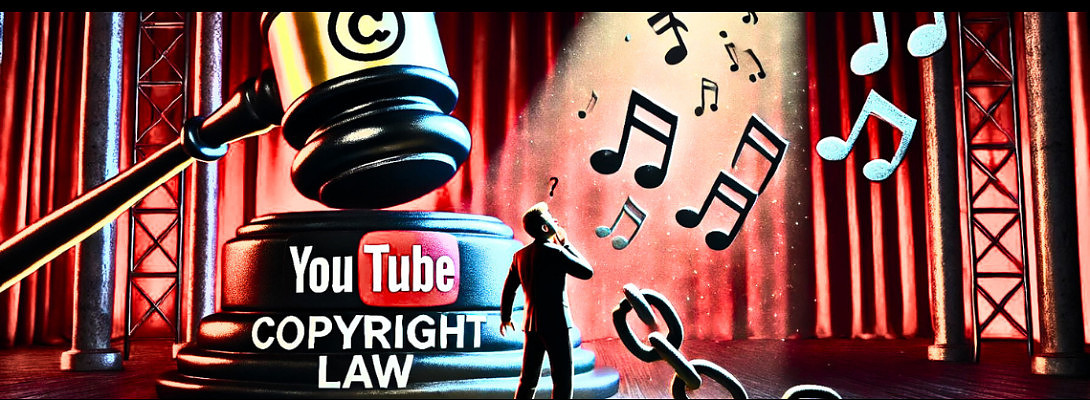
(Title image by DALL-E 3)
Hi WA Friends!
I'm back again, this time with something a little less musical but musically related. 😎
Are you using copyrighted music or videos made by other artists on your YouTube channel? If so, you might want to take a look at this post. It is a bit dry, but I added a Pinterest pin at the end for all the WA guitar players.
I've been thinking about starting a YouTube channel for my guitar website. The channel would have long-form content that analyzes and critiques well-known songs from a variety of Rock, Blues, and Metal bands.
Additionally, I would create YouTube shorts demonstrating how to play cool-sounding guitar riffs for beginners. The shorts videos would lead viewers to my long-form videos.
However, using copyrighted music videos can create some unique challenges. If you don’t own the rights to a video, you could face takedown requests, video removal by YouTube, or even risk your channel being demonetized or shut down.
Here is what you need to know about these risks.
Potential Problems
Takedown Requests
When you use a copyrighted video without permission, the owner can ask YouTube to take your video down. This is called a takedown request. The owner could be a music label, an artist, or a company that owns the rights to the song.
According to the law, the owner has the right to protect their work. When they send a takedown request, YouTube will remove your video. If this happens, you will get a message from YouTube telling you why the video was taken down.
YouTube Removing Your Video
YouTube has strict rules about using copyrighted music and videos. If their system detects that your video has included a copyrighted video, they might remove it without a takedown request. YouTube uses a tool called Content ID to scan videos for copyrighted material.
If Content ID finds a match, the owner of the music can choose what happens next. They might:
- Monetize your video (earn money from ads on your video)
- Block your video in some countries
- Take your video down
If your video gets taken down by YouTube, you will also get a message explaining why.
Risk Of Demonetization
Demonetization means you can no longer make money from ads on your video. If you keep using copyrighted videos without permission, YouTube might demonetize your channel.
Ready to put this into action?
Start your free journey today — no credit card required.
When your channel gets demonetized, you lose access to YouTube’s Partner Program. This program is what lets you earn money from ads. Without it, you can’t make money from your videos.
Risk Of Channel Closure
If you keep breaking YouTube’s rules, your channel could get shut down. YouTube uses a “three strikes” system. If you get three copyright strikes, your channel will be closed.
A copyright strike happens when the owner of a video sends a formal complaint to YouTube. Each strike stays on your record for 90 days. If you get three strikes in that time, your channel will be removed.
Licensing Copyrighted Music Videos
There are various ways to safely use music on a video channel, including using royalty-free music from YouTube’s audio library or other free music sites or licensing music from sites like Audiio, Pretzel Rocks, and Lickd.
However, I haven't found a platform that licenses copyrighted music videos, which means you would have to license each one individually by contacting the creator or company that owns the copyright.
What About "Fair Use" On YouTube For Copyrighted Videos?
What Is Fair Use?
Fair use permits the use of copyrighted material for specific purposes, such as commentary, criticism, news reporting, teaching, scholarship, or research. The idea is to balance the rights of the copyright holder with the public's interest in freedom of expression and the advancement of knowledge.
The Four Factors Of Fair Use
Courts evaluate fair use claims based on four factors:
- Purpose And Character Of The Use
- If the use is for nonprofit educational purposes, it’s more likely to be considered fair use. This does not include making money by monetizing a YouTube video.
- Transformative use (adding new expression or meaning, or repurposing the material for a new audience) is favored.
- Nature Of The Copyrighted Work
- Using factual works (like biographies) is more likely to be considered fair use than using highly creative works (like songs or movies).
- Amount And Substantiality Of The Portion Used
- Using smaller portions of the work is more likely to be fair use, but this is not a strict rule. The key is whether the amount used is necessary for the intended purpose.
- Effect Of The Use On The Market For The Original
- If your use negatively impacts the market or potential market for the original work, it’s less likely to be considered fair use.
Fair Use On YouTube
YouTube considers fair use claims through its dispute process. Here’s how you can navigate this:
- Identify Transformative Uses
- Add commentary or critique to the original material. For example, a video review of a music video with an analysis of its lyrics and composition.
- Use Only What’s Necessary
- Use only the amount of the work needed to make your point. If you’re reviewing a music video, short clips that illustrate your commentary are better than using long segments.
- Acknowledge The Source
- While not legally required, acknowledging the source can demonstrate good faith and respect for the original creator.
Risks And Challenges
Even if you believe your use is fair, copyright owners can still file claims against your video. Here’s what could happen:
- Content ID Matches: YouTube’s automated system may flag your video, leading to ads being placed on it for the benefit of the copyright owner, revenue being shared, or the video being blocked.
- Manual Claims: Copyright owners can manually claim your video if they believe it infringes on their rights.
Disputing Claims
If you believe your video is fair use, you can dispute the claim:
- Submit A Dispute: Explain why you believe your use is fair use. Provide detailed reasons and cite the four factors.
- Escalate To Appeal: If the initial dispute is rejected, you can appeal. Be prepared to defend your claim thoroughly.
- Counter-Notification: If your appeal is rejected, you can file a counter-notification. This is a legal process, and if the copyright owner disagrees, they may take legal action.
Conclusion
Using copyrighted videos on your YouTube channel without permission can lead to takedown requests, video removal, demonetization, or even losing your channel. It’s important to understand these risks and follow YouTube’s rules.
What's Your Experience With Using Copyrighted Videos On A YouTube Channel?
Have you used the copyrighted videos of others on your YouTube channel, and how successful have you been? Let me know in the comments.
Keep on Rocking 🤘 ... AND keep a close eye on your guitar amplifier! 🧐
 Don't say I didn't warn you! Lol 😆
Frank 🎸
~ 60% Human-written content.
Share this insight
This conversation is happening inside the community.
Join free to continue it.The Internet Changed. Now It Is Time to Build Differently.
If this article resonated, the next step is learning how to apply it. Inside Wealthy Affiliate, we break this down into practical steps you can use to build a real online business.
No credit card. Instant access.