Today in History, June 17: Watergate


Published on June 17, 2017
Published on Wealthy Affiliate — a platform for building real online businesses with modern training and AI.
1972, on June 17, five men were discovered inside the Democratic National Committee’s (DNC) headquarter at the Watergate Complex in Washington, D.C and arrested, marking the beginning of the end of the presidency of Richard Nixon.
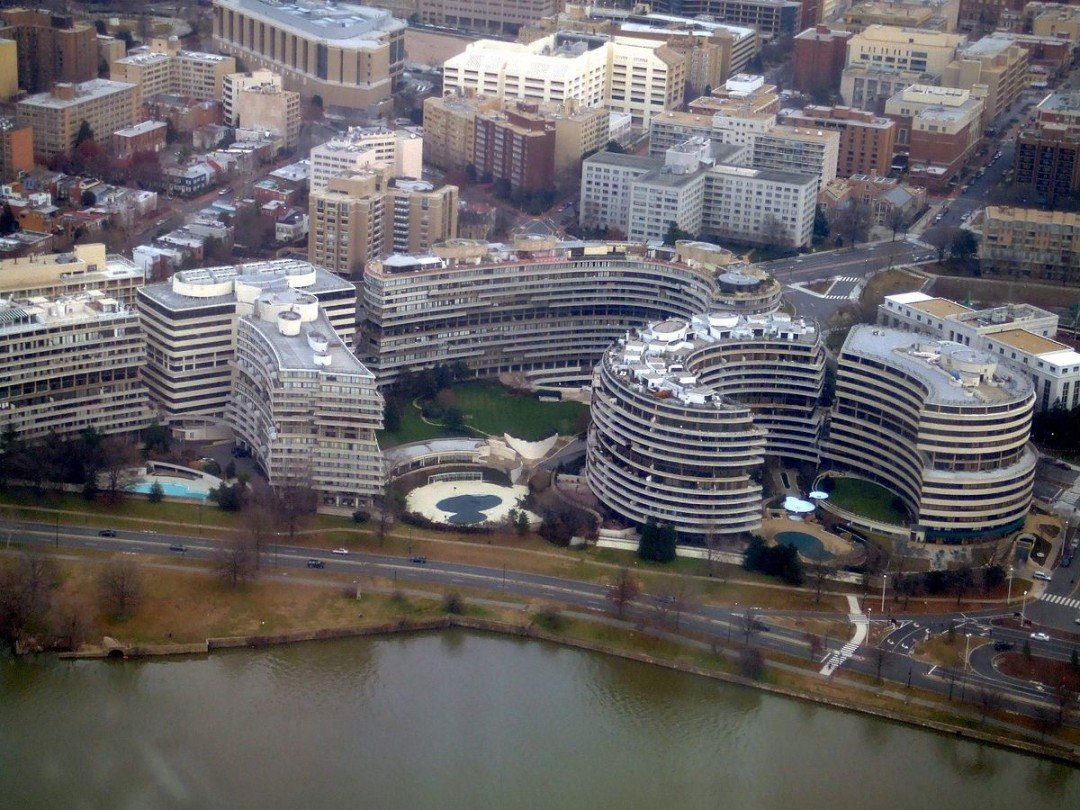
Shortly after midnight on June 17, 1972, a security guard at the Watergate Complex, noticed tape covering the latches on some of the doors, allowing the doors to close but remain unlocked. The doors lead from the underground parking to the DNC offices. He removed the tape, thinking nothing of it. But when he returned an hour later and discovered that someone had retaped the locks, he called the police. This was the opening scene of the worst political scandal of the twentieth century.
The break-in at the Watergate Complex led to the discovery of multiple abuses of power by members of the Nixon administration. Those abuses included bugging the offices or ordering investigation of political opponents and people of whom the administration was suspicious. For this they used the Federal Bureau of Investigation (FBI), the Central Intelligence Agency (CIA), and the Internal Revenue Service (IRS).
Ready to put this into action?
Start your free journey today — no credit card required.
After the arrest of five men for breaking and entering the DNC headquarters the FBI investigated and discovered a connection between cash found on the burglars and a slush fund used by the Committee for the Reelection of the President (CRP), the official organization of Nixon's reelection campaign. In July 1973, the evidence mounted against the President’s staff.An investigation conducted by the Senate Watergate Committee including testimony provided by former staff. The investigation revealed that President Nixon had a tape recording system installed in his offices and that he had recorded most of the conversations.
After a series of court battles, the U.S. Supreme Court unanimously ruled that the president was obliged to release the tapes to government investigators.
The tapes revealed that President Nixon had used federal officials to deflect the investigation and had attempted to cover up activities that took place after the break-in.
Facing virtually certain impeachment in the House of Representatives and a conviction by the Senate, President Nixon resigned from office on August 9, 1974, preventing an impeachment by the House. On September 8, 1974, his successor, Gerald Ford, pardoned him.
The scandal also resulted in the indictment of 69 people, resulting in trials or pleas, of which 48 being found guilty. Many of whom were Nixon’s top administration officials.
The term “Watergate” and the suffix “-gate” have since become synonymous with political and non-political scandals in the United States, and most other parts of the world.
Share this insight
This conversation is happening inside the community.
Join free to continue it.The Internet Changed. Now It Is Time to Build Differently.
If this article resonated, the next step is learning how to apply it. Inside Wealthy Affiliate, we break this down into practical steps you can use to build a real online business.
No credit card. Instant access.