Transforming Healthcare Through Artificial Intelligence (AI): Innovations, Applications, and Market




Artificial Intelligence (AI) is revolutionizing the healthcare industry, offering unprecedented opportunities to enhance patient care, streamline clinical operations, and accelerate medical research. By harnessing advanced algorithms and machine learning techniques, AI enables healthcare providers to analyze complex datasets rapidly and accurately—improving diagnostic precision, personalizing treatment plans, and optimizing administrative processes. This article explores key innovations in AI-driven healthcare solutions, highlights successful real-world applications through notable case studies, examines current market dynamics shaping adoption trends globally, addresses both benefits and challenges associated with implementation efforts in clinical settings—and ultimately provides insights into emerging opportunities that promise to redefine the future landscape of medicine.
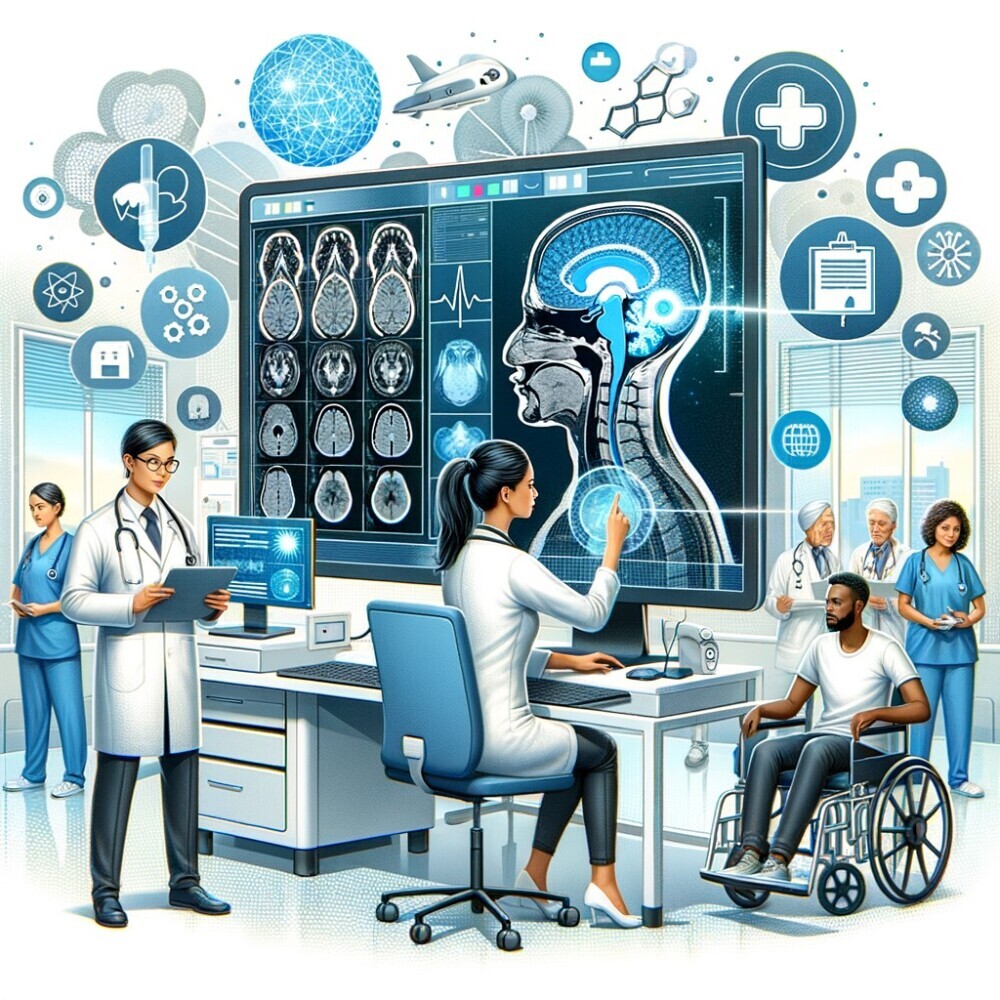 1. Understanding Artificial Intelligence (AI) in Healthcare: An Overview
Artificial Intelligence (AI) refers to the simulation of human intelligence processes by computer systems, encompassing capabilities such as learning, reasoning, problem-solving, and decision-making. In healthcare specifically, AI technologies leverage advanced algorithms and data analytics to enhance clinical outcomes, streamline administrative tasks, and improve patient care delivery. At its core, AI in healthcare involves machine learning techniques that analyze vast datasets, including medical records, imaging scans, and genetic information, to identify patterns or anomalies beyond human capacity.
Machine learning algorithms can be broadly categorized into supervised learning, where models are trained on labeled datasets, and unsupervised learning, which identifies hidden structures within unlabeled data. Additionally, deep learning—a subset of machine learning utilizing neural networks—is particularly effective for image recognition tasks like radiology diagnostics or pathology assessments due to its ability to process complex visual information rapidly and accurately.
Healthcare providers increasingly adopt AI-driven solutions across various domains including diagnostic imaging interpretation (e.g., detecting tumors from MRI scans), predictive analytics for disease progression forecasting (such as diabetes complications), personalized treatment planning based on genomic profiling insights, virtual health assistants enhancing patient engagement through conversational interfaces, and operational optimization tools automating scheduling or billing processes.
The integration of artificial intelligence into healthcare represents a significant shift toward precision medicine, tailoring interventions according to individual characteristics rather than generalized approaches, thus promising improved efficiency alongside better clinical outcomes. As adoption accelerates globally among hospitals and research institutions alike, driven by technological advancements coupled with growing demand for cost-effective quality care provision, understanding foundational concepts underpinning these innovations becomes essential for stakeholders navigating this transformative landscape effectively.
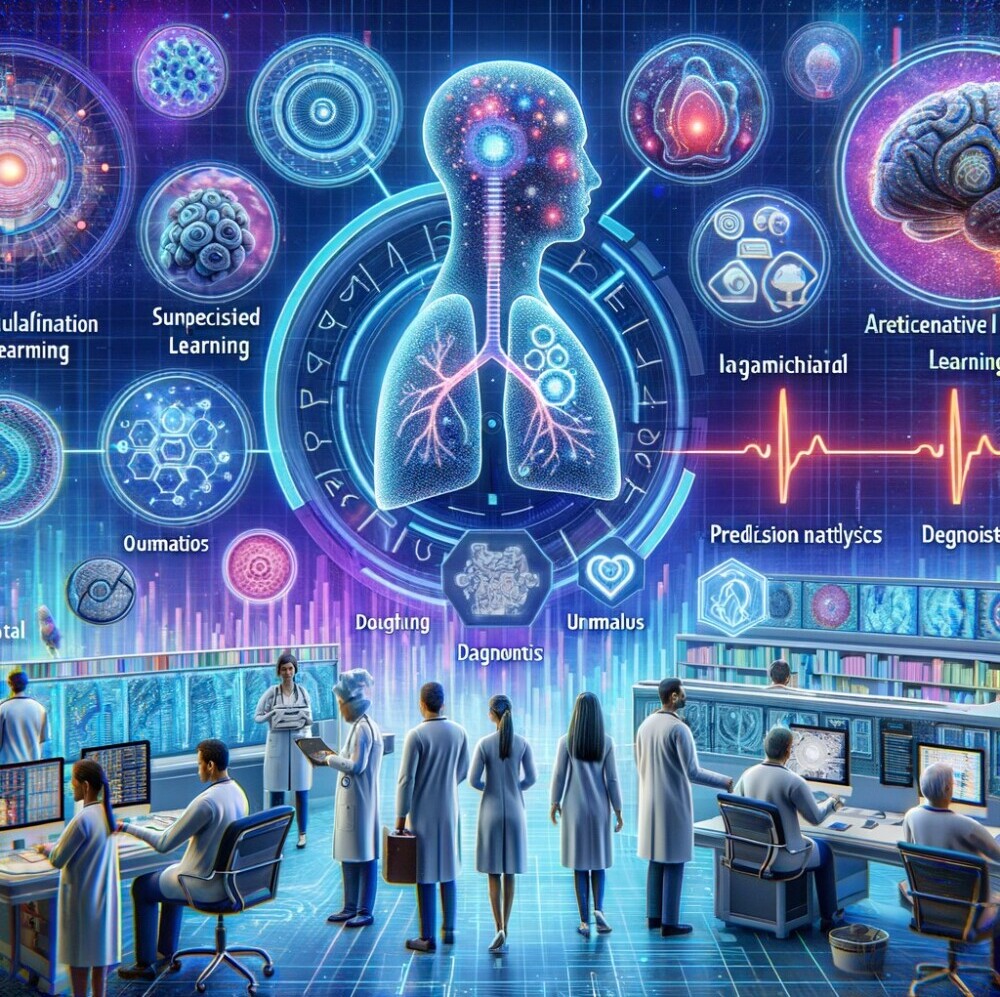 2. Key Applications of AI in Clinical Practice and Patient Care
Artificial Intelligence (AI) is significantly reshaping clinical practice by enhancing diagnostic accuracy, streamlining patient care processes, and improving treatment outcomes. One prominent application is medical imaging analysis, where AI-powered algorithms assist radiologists in detecting abnormalities such as tumors or fractures with greater precision and speed than traditional methods. These advanced systems utilize machine learning techniques to analyze vast datasets of images, identifying subtle patterns that may elude human observation.
In addition to diagnostics, AI has transformed patient monitoring through predictive analytics tools capable of forecasting health deterioration before symptoms become apparent. By continuously analyzing real-time data from wearable devices or electronic health records (EHRs), these intelligent platforms enable healthcare providers to proactively intervene and deliver timely interventions tailored specifically for individual patients.
Furthermore, AI-driven virtual assistants have emerged as valuable resources within clinical settings by automating routine administrative tasks such as appointment scheduling, prescription refills, and follow-up reminders. This automation not only reduces clinician workload but also enhances patient engagement through personalized communication channels accessible around the clock.
Another critical area impacted by artificial intelligence involves personalized medicine—leveraging genetic information combined with sophisticated algorithms—to develop customized therapeutic strategies aligned precisely with each patient's unique biological profile. Such targeted approaches promise improved efficacy rates while minimizing adverse reactions associated with conventional treatments.
Collectively, these key applications demonstrate how integrating artificial intelligence into clinical practice can elevate standards across various dimensions—from diagnosis accuracy enhancement to proactive disease management—ultimately leading toward more efficient healthcare delivery models focused on optimal patient outcomes.
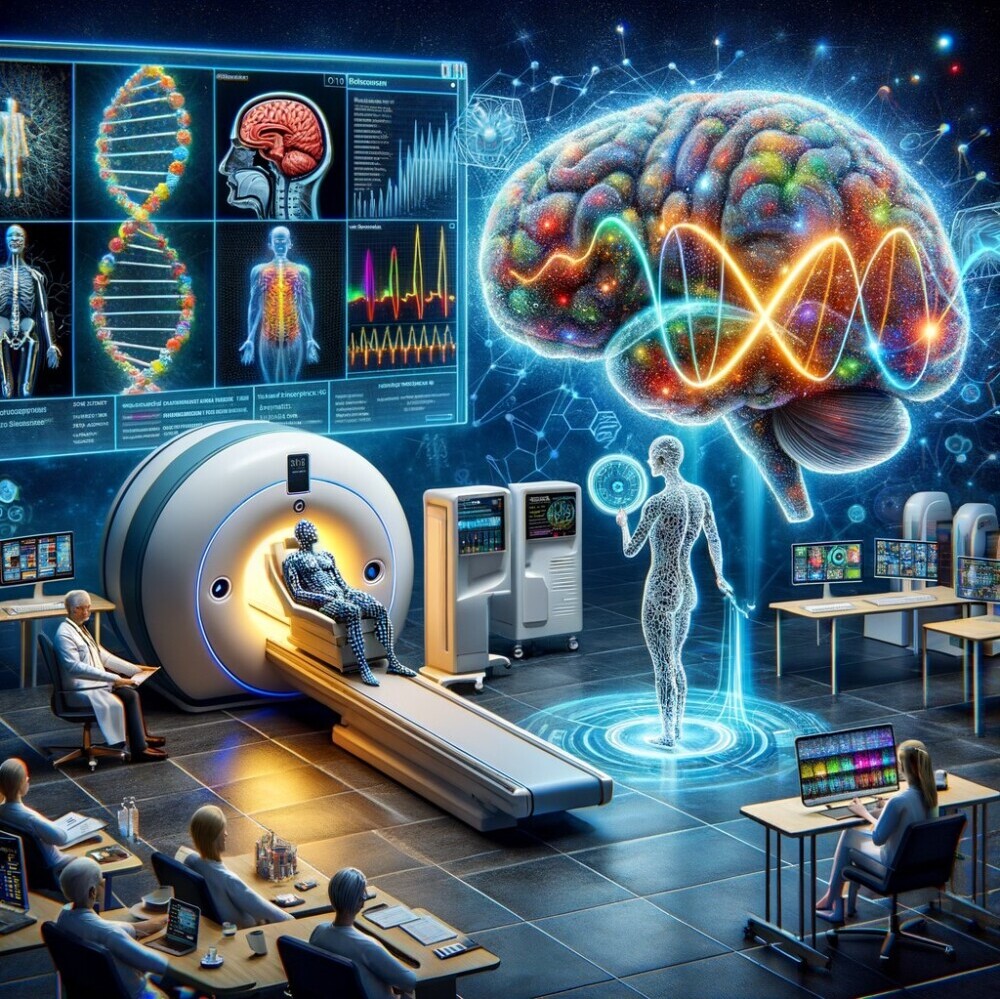 3. The Role of Artificial Intelligence in Medical Research and Innovation
Artificial intelligence (AI) has emerged as a transformative force within medical research, significantly accelerating innovation and discovery processes. By leveraging advanced machine learning algorithms, researchers can analyze vast datasets more efficiently than traditional methods allow, uncovering patterns and insights that were previously unattainable. AI-driven tools facilitate the rapid identification of potential drug candidates by predicting molecular interactions and simulating clinical trials virtually, thereby reducing both time-to-market for new medications and associated development costs.
Moreover, AI enhances diagnostic accuracy through sophisticated image recognition technologies capable of detecting subtle anomalies in radiological scans or pathology slides with remarkable precision. This capability not only expedites diagnosis but also enables earlier intervention strategies tailored to individual patient profiles. Additionally, predictive analytics powered by artificial intelligence supports personalized medicine initiatives by forecasting disease progression based on genetic markers or lifestyle factors, allowing clinicians to proactively manage patient health outcomes.
In genomics research specifically, AI algorithms play an instrumental role in interpreting complex genomic sequences rapidly and accurately. These computational models identify genetic variants linked to specific diseases or treatment responses at unprecedented speeds compared to manual analysis techniques traditionally employed by researchers. Furthermore, natural language processing (NLP), another subset of artificial intelligence technology, streamlines literature reviews through automated extraction of relevant information from extensive scientific publications databases, thus fostering collaboration among multidisciplinary teams working toward common healthcare objectives.
Collectively, these advancements underscore how integral artificial intelligence has become within contemporary medical research frameworks; its continued integration promises further breakthroughs across diverse therapeutic areas while simultaneously enhancing overall efficiency throughout the biomedical innovation pipeline.
 4. Exploring the Current Market Landscape for AI in Healthcare
The global market landscape for artificial intelligence (AI) in healthcare is experiencing significant growth, driven by increased adoption of advanced technologies and rising demand for improved patient outcomes. According to recent industry reports, the AI healthcare market is projected to reach billions of dollars within the next decade, reflecting robust investment from both private and public sectors. Key players include technology giants such as IBM Watson Health, Google DeepMind, Microsoft Azure Healthcare Solutions, and numerous innovative startups specializing in niche applications.
North America currently dominates this market due to favorable regulatory frameworks, substantial venture capital funding opportunities, and a strong presence of leading tech companies actively collaborating with healthcare providers. Europe follows closely behind with growing investments aimed at digitizing health systems through initiatives like Horizon Europe that encourage innovation partnerships between academia and industry stakeholders.
Asia-Pacific regions are also rapidly emerging as promising markets due to increasing government support toward digital transformation initiatives in countries such as China, India, Japan, and South Korea. These nations have recognized AI's potential to address critical challenges posed by aging populations and limited medical resources.
Market segments witnessing notable expansion include diagnostic imaging analysis platforms powered by machine learning algorithms; virtual assistants designed for clinical decision-making support; predictive analytics solutions enhancing operational efficiency; personalized medicine tools leveraging genomic data integration; and remote patient monitoring devices utilizing real-time analytics capabilities.
However, despite impressive growth prospects across various geographical regions globally, market penetration remains unevenly distributed between developed versus developing economies primarily because of disparities related to infrastructure readiness levels or financial constraints faced during initial implementation phases within resource-limited settings.
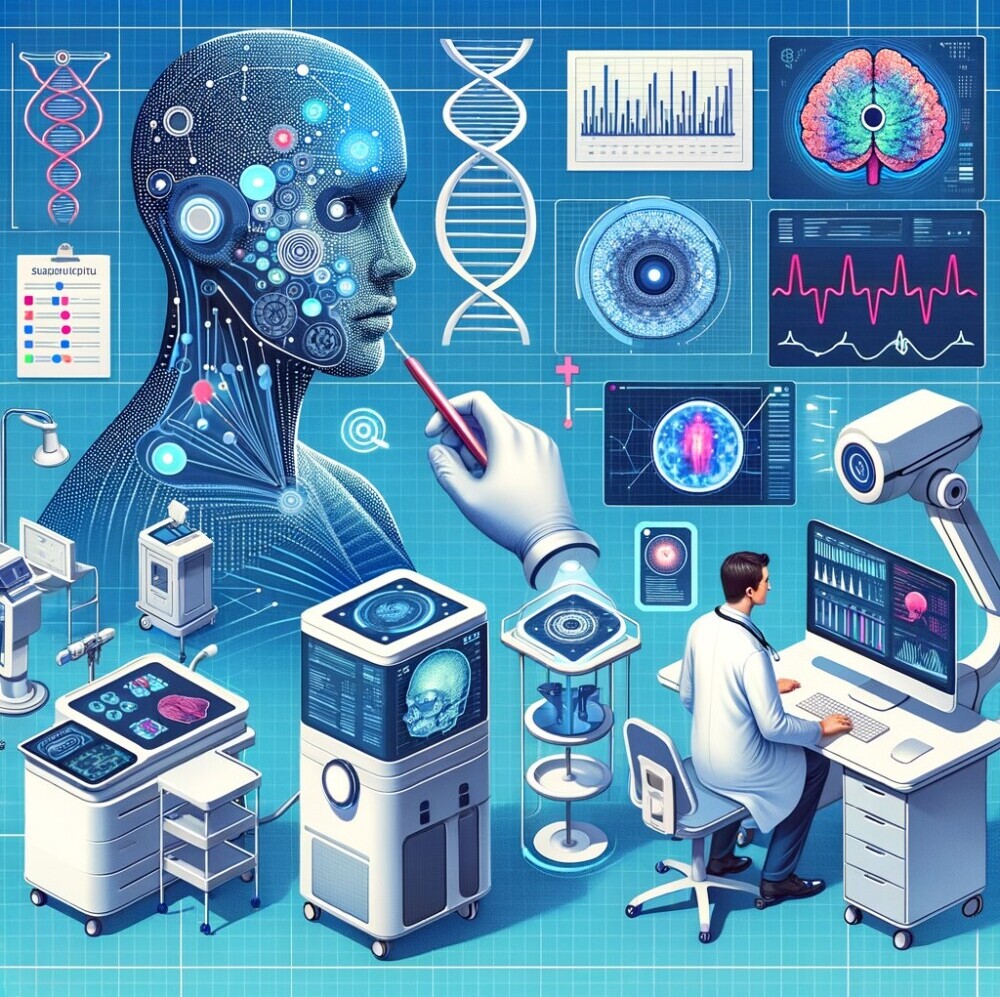 5. Benefits and Challenges of Implementing AI Technologies in Healthcare Settings
The integration of Artificial Intelligence (AI) technologies into healthcare settings presents numerous benefits alongside significant challenges. Among the primary advantages is improved diagnostic accuracy, as AI-driven algorithms can rapidly analyze vast datasets to identify patterns that may elude human clinicians. This capability enhances early detection of diseases, leading to timely interventions and better patient outcomes. Additionally, AI streamlines administrative tasks such as scheduling appointments, managing patient records, and processing insurance claims—thereby reducing operational costs and allowing healthcare professionals more time for direct patient care.
Moreover, predictive analytics powered by AI enable personalized treatment plans tailored specifically to individual patients' medical histories and genetic profiles. Such precision medicine approaches not only improve therapeutic effectiveness but also minimize adverse reactions by anticipating potential complications or drug interactions.
However, despite these promising benefits, implementing AI technologies in healthcare environments poses several challenges. Data privacy remains a critical concern; safeguarding sensitive patient information from unauthorized access requires robust cybersecurity measures compliant with stringent regulatory standards like HIPAA or GDPR. Furthermore, integrating new technological systems within existing infrastructures demands substantial financial investment along with extensive staff training programs to ensure seamless adoption.
Another notable challenge involves addressing ethical considerations surrounding algorithmic biases inherent in certain datasets used for training machine learning models—biases which could inadvertently perpetuate disparities across diverse patient populations if left unchecked. Consequently, continuous monitoring coupled with transparent governance frameworks becomes essential when deploying artificial intelligence solutions within clinical contexts.
Balancing these considerable opportunities against prevailing obstacles will be crucial for successfully harnessing the transformative potential offered by artificial intelligence innovations in modern healthcare delivery systems.
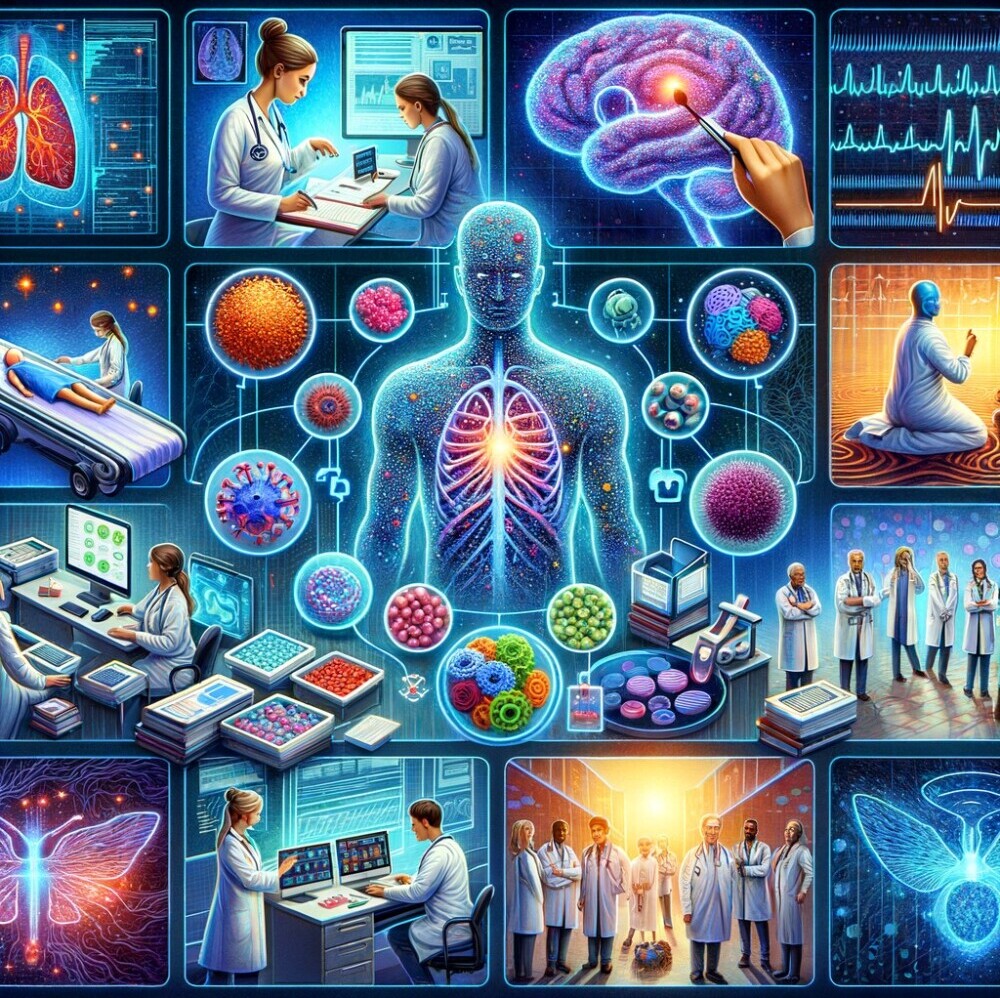 6. A Review of Notable Case Studies: Successful Integration of AI into Healthcare Systems
Several healthcare organizations have successfully integrated artificial intelligence (AI) technologies, demonstrating significant improvements in patient outcomes and operational efficiency. One notable example is the Cleveland Clinic's adoption of AI-driven predictive analytics to enhance patient monitoring and early intervention strategies. By analyzing electronic health records, the system accurately identifies patients at risk for sepsis hours before clinical symptoms become apparent, enabling timely interventions that significantly reduce mortality rates.
Another prominent case study involves Google's DeepMind collaboration with Moorfields Eye Hospital in London. Through advanced machine learning algorithms trained on thousands of retinal scans, this partnership developed an AI diagnostic tool capable of detecting over 50 eye diseases with accuracy comparable to expert ophthalmologists. This technology has streamlined diagnosis processes, reduced waiting times for patients, and allowed clinicians to prioritize urgent cases more effectively.
In oncology care, Memorial Sloan Kettering Cancer Center partnered with IBM Watson Health to leverage cognitive computing capabilities for personalized cancer treatment recommendations. The integration enabled oncologists to rapidly analyze vast amounts of medical literature and patient data, facilitating evidence-based decisions tailored specifically to individual patient profiles.
Additionally, Massachusetts General Hospital implemented an AI-powered radiology platform designed by Aidoc that automatically detects critical abnormalities in imaging scans such as CTs or MRIs. The system alerts radiologists immediately upon identifying potential issues like intracranial hemorrhages or pulmonary embolisms, dramatically reducing turnaround time for diagnoses and improving overall clinical responsiveness.
These case studies illustrate how the strategic implementation of artificial intelligence within diverse healthcare settings can lead directly to enhanced diagnostic precision, optimized resource allocation, improved clinical workflows, and ultimately better quality care delivery across various medical disciplines.
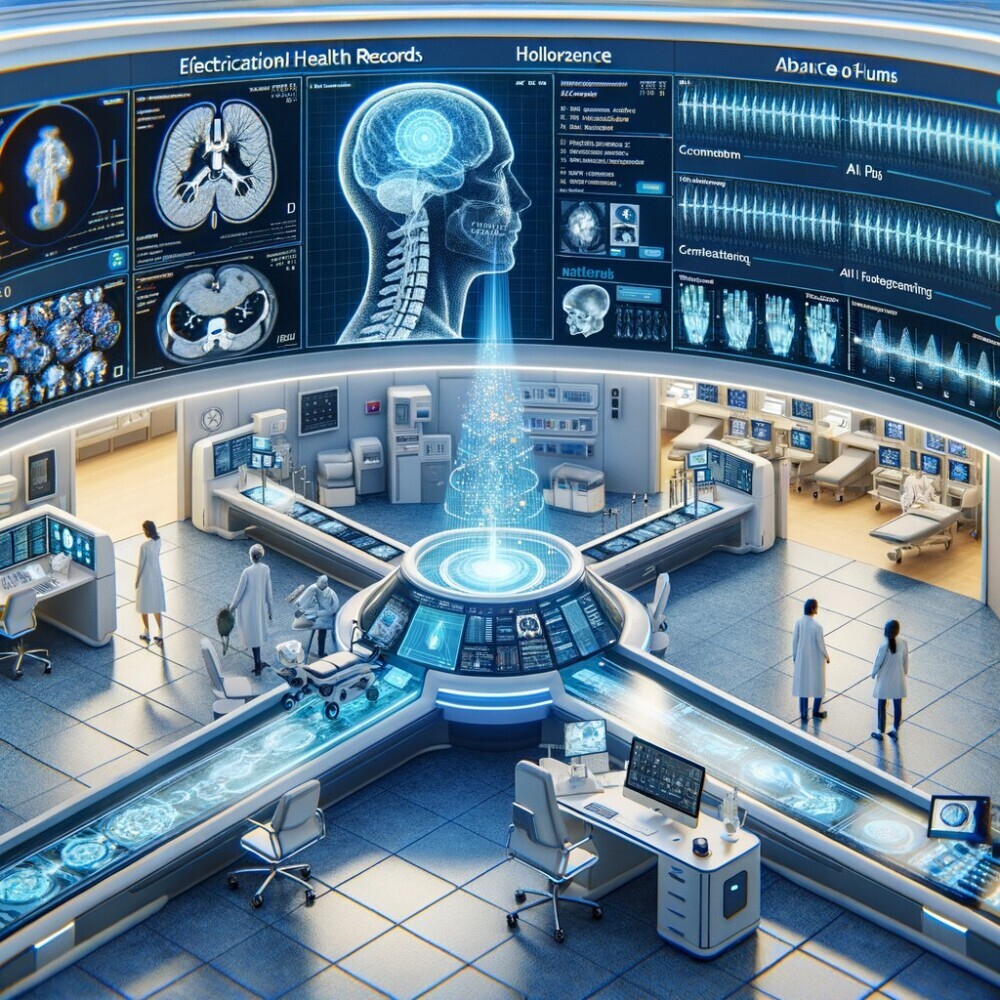 7. Future Outlook: Emerging Trends and Opportunities for AI Adoption in Healthcare
As healthcare continues to evolve, artificial intelligence (AI) is poised to play an increasingly pivotal role in shaping the industry's future landscape. Several emerging trends are driving this transformation, presenting significant opportunities for innovation and enhanced patient care. One notable trend is the integration of AI with wearable health technologies and remote monitoring devices, enabling real-time data collection and predictive analytics that can proactively identify potential health issues before they escalate into critical conditions.
Another promising area involves leveraging AI-driven precision medicine techniques to tailor treatments based on individual genetic profiles, lifestyle factors, and environmental influences. This personalized approach not only enhances treatment efficacy but also reduces adverse reactions by ensuring therapies align closely with each patient's unique characteristics.
Additionally, advancements in natural language processing (NLP) are facilitating more sophisticated virtual assistants capable of understanding complex medical terminology and providing accurate clinical decision support at point-of-care settings. These intelligent systems streamline administrative tasks such as documentation management, appointment scheduling, and billing processes, allowing healthcare professionals to focus more effectively on patient interactions.
Furthermore, the increased adoption of cloud-based platforms combined with robust cybersecurity measures will enable secure sharing of large-scale datasets across institutions globally. Such collaboration fosters accelerated research outcomes through improved data accessibility while maintaining stringent privacy standards.
Lastly, regulatory frameworks continue adapting alongside technological progressions; thus creating a conducive environment encouraging responsible yet innovative deployment strategies within healthcare organizations worldwide. Collectively, these evolving trends underscore substantial growth prospects awaiting stakeholders who strategically embrace artificial intelligence capabilities moving forward into an era defined by digital transformation within healthcare delivery models.
 Conclusion:
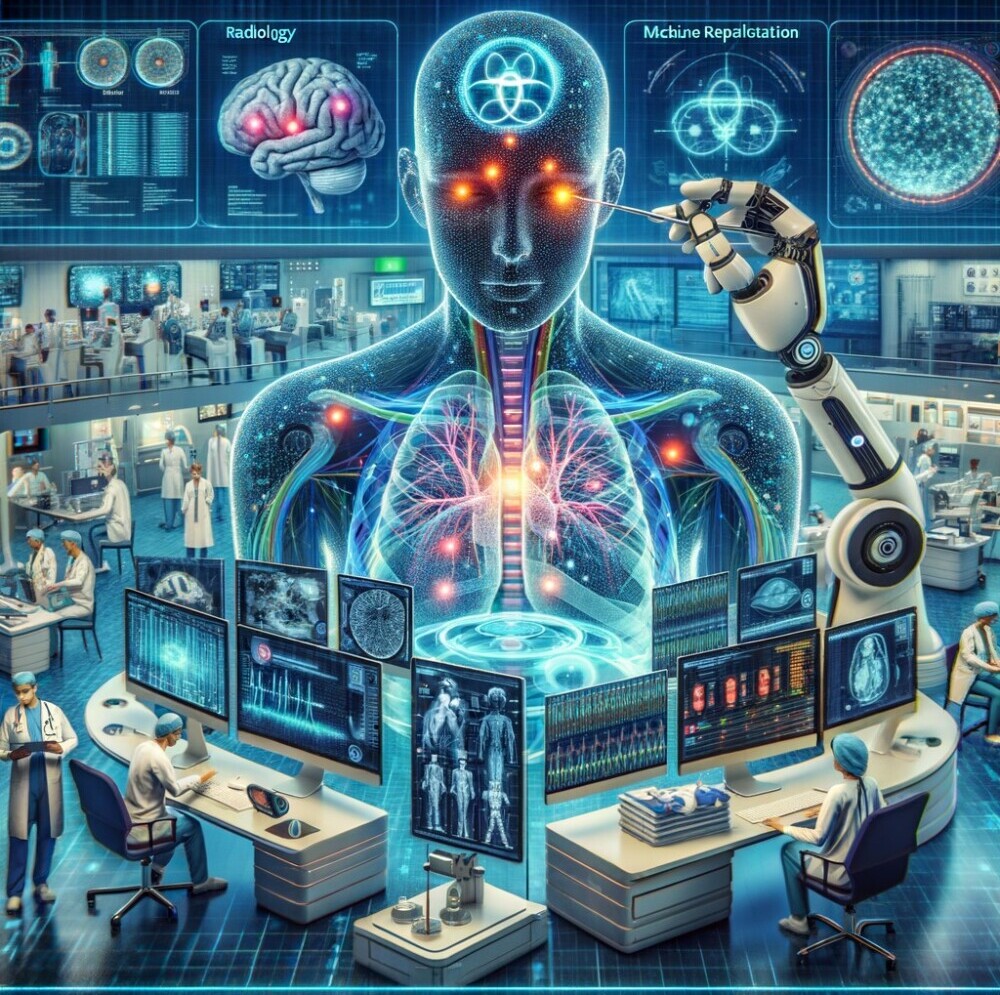
The integration of Artificial Intelligence into healthcare represents a transformative shift toward more precise diagnostics, personalized treatments, efficient operational management practices, and overall improved patient outcomes. While significant progress has already been made across various domains, including medical imaging analysis platforms or predictive analytics tools for proactive disease management, ongoing advancements continue presenting new possibilities alongside critical considerations related to data privacy protection measures or ethical implications surrounding algorithmic biases inherent within certain training datasets used by machine learning models. As stakeholders navigate these complexities strategically moving forward, embracing innovative yet responsible deployment strategies, they'll unlock substantial growth prospects poised to reshape modern-day medicine profoundly over the coming decades ahead.

Join FREE & Launch Your Business!
Exclusive Bonus - Offer Ends at Midnight Today
00
Hours
:
00
Minutes
:
00
Seconds
2,000 AI Credits Worth $10 USD
Build a Logo + Website That Attracts Customers
400 Credits
Discover Hot Niches with AI Market Research
100 Credits
Create SEO Content That Ranks & Converts
800 Credits
Find Affiliate Offers Up to $500/Sale
10 Credits
Access a Community of 2.9M+ Members
Recent Comments
0
Join FREE & Launch Your Business!
Exclusive Bonus - Offer Ends at Midnight Today
00
Hours
:
00
Minutes
:
00
Seconds
2,000 AI Credits Worth $10 USD
Build a Logo + Website That Attracts Customers
400 Credits
Discover Hot Niches with AI Market Research
100 Credits
Create SEO Content That Ranks & Converts
800 Credits
Find Affiliate Offers Up to $500/Sale
10 Credits
Access a Community of 2.9M+ Members