The Transformative Power of Artificial Intelligence: Navigating the Future


Published on June 7, 2025
Published on Wealthy Affiliate — a platform for building real online businesses with modern training and AI.


In an era defined by rapid technological advancements, artificial intelligence (AI) stands out as a transformative force reshaping industries and society at large. As we delve into the multifaceted impact of AI, it becomes essential to understand its definition, significance, and applications across various sectors. From revolutionizing healthcare and education to redefining consumer experiences in retail and marketing, AI's influence is pervasive. However, with great power comes responsibility; ethical considerations and economic challenges accompany these innovations. This article explores the profound ways AI is navigating our future landscape while highlighting both opportunities for growth and potential pitfalls.
 1. Understanding Artificial Intelligence: Definition and Importance
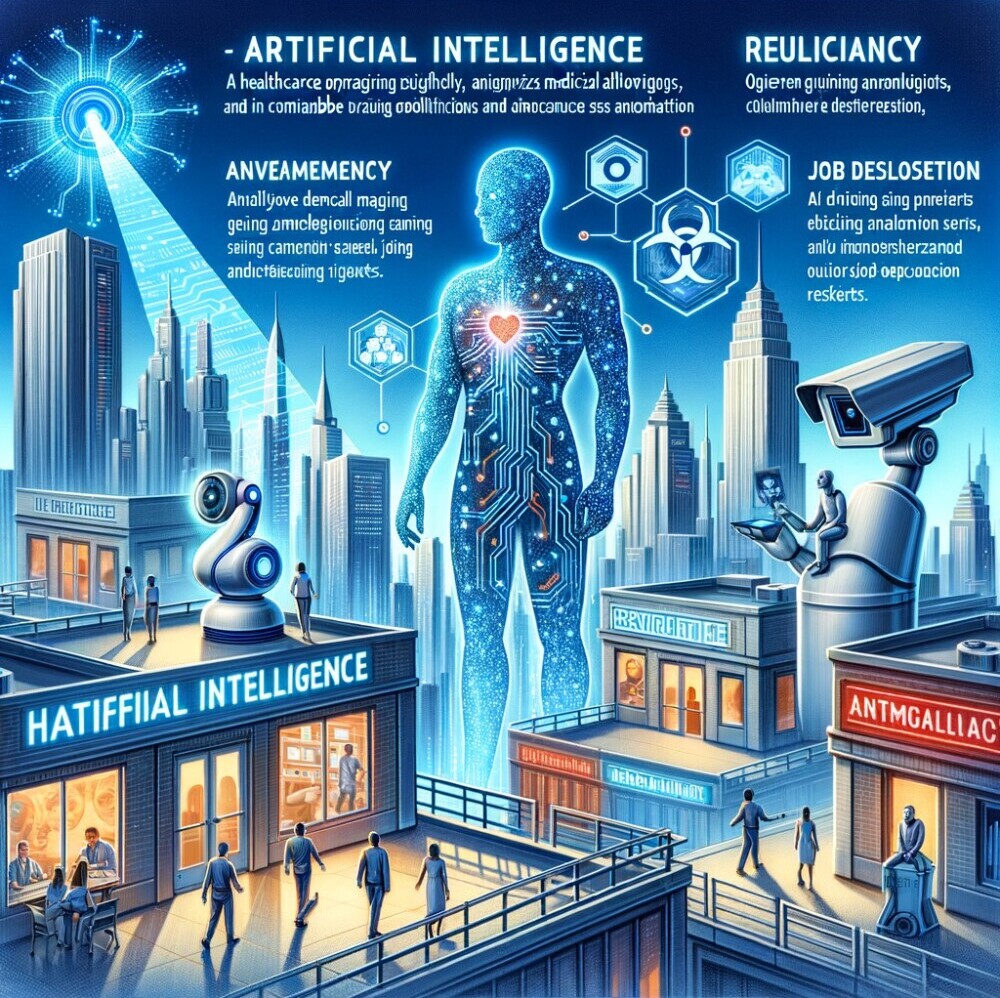
Artificial Intelligence (AI) refers to the simulation of human intelligence processes by machines, particularly computer systems. These processes include learning, reasoning, problem-solving, perception, and language understanding. AI technologies are designed to perform tasks that typically require human intelligence, such as visual perception, speech recognition, decision-making, and language translation.
The importance of AI lies in its ability to process vast amounts of data at unprecedented speeds and accuracy levels. This capability enables organizations across various sectors to derive insights from complex datasets that would be impossible for humans alone to analyze efficiently. As a result, AI is driving innovation by enhancing productivity and enabling new business models.
Moreover, AI's transformative potential extends beyond economic benefits; it holds promise for addressing some of society's most pressing challenges. In healthcare, for instance, AI can improve diagnostic accuracy and personalize treatment plans based on individual patient data. In environmental science, it aids in climate modeling and resource management.
As we continue navigating the digital age, understanding AI's definition and significance becomes crucial not only for industry leaders but also for policymakers who must ensure ethical guidelines keep pace with technological advancements. The integration of AI into daily life necessitates a comprehensive grasp of its capabilities and limitations to harness its full potential responsibly while mitigating associated risks.
In summary, artificial intelligence represents a pivotal force shaping our future landscape through enhanced efficiency across industries and improved quality of life globally. Its growing influence underscores the need for informed engagement with this technology as it continues evolving rapidly.
 2. AI in Action: How It Works Across Various Sectors
Artificial Intelligence (AI) is revolutionizing industries by enhancing efficiency, accuracy, and decision-making processes across various sectors. In the healthcare industry, AI algorithms analyze vast amounts of data to assist in diagnosing diseases with greater precision than traditional methods. For instance, machine learning models can identify patterns in medical images that may be imperceptible to the human eye, leading to early detection of conditions such as cancer.
In finance, AI-driven systems are employed for fraud detection and risk management. By analyzing transaction patterns and identifying anomalies, these systems help institutions mitigate risks effectively. Additionally, robo-advisors use AI to provide personalized investment advice based on individual financial goals and market trends.
The transportation sector benefits from AI through advancements in autonomous vehicles and traffic management systems. Self-driving cars utilize sensors and complex algorithms to navigate roads safely while reducing human error-related accidents. Moreover, AI-powered traffic control systems optimize flow by adjusting signals based on real-time data analysis.
Manufacturing has seen significant improvements due to AI integration as well. Predictive maintenance powered by machine learning helps anticipate equipment failures before they occur, minimizing downtime and reducing costs. Robotics equipped with computer vision enhances production lines by performing tasks with high precision and speed.
In agriculture, AI technologies contribute to sustainable practices through smart farming solutions like crop monitoring drones and automated irrigation systems that conserve resources while maximizing yield.
Overall, the implementation of artificial intelligence across these diverse sectors not only streamlines operations but also fosters innovation by enabling new capabilities previously unattainable through conventional means. As organizations continue adopting this transformative technology at an accelerated pace globally, driven largely by its proven efficacy, the potential for further groundbreaking applications remains boundless yet challenging within ethical frameworks guiding responsible development practices moving forward into uncharted territories ahead.
 3. The Economic Impact of AI: Opportunities and Challenges
Artificial Intelligence (AI) is poised to significantly reshape the global economy, offering both unprecedented opportunities and formidable challenges. On one hand, AI technologies promise to drive economic growth by enhancing productivity across various sectors. Automation of routine tasks allows businesses to allocate resources more efficiently, reducing operational costs and increasing output quality. For instance, in manufacturing, AI-driven robotics streamlines production processes, while in finance, algorithms can analyze vast datasets for better investment decisions.
Moreover, AI fosters innovation by enabling new business models and services that were previously unimaginable. Startups leveraging machine learning are disrupting traditional industries with personalized solutions tailored to consumer needs. This wave of innovation not only creates new markets but also stimulates job creation in tech development and data analysis fields.
However, the rapid integration of AI into the economy presents significant challenges that must be addressed strategically. One major concern is the potential displacement of jobs due to automation. While some roles will evolve or become obsolete, others will emerge, requiring different skill sets, necessitating a robust framework for workforce retraining and education.
Additionally, there are concerns about economic inequality as companies with access to advanced AI technologies may gain disproportionate advantages over smaller competitors lacking such resources. This could lead to market monopolization unless regulatory measures ensure fair competition.
Furthermore, ethical considerations around data privacy and algorithmic bias pose risks that could undermine public trust in AI systems if not properly managed. Policymakers must balance fostering innovation with implementing regulations that protect individual rights without stifling technological advancement.
Ready to put this into action?
Start your free journey today — no credit card required.
In conclusion, while AI holds immense potential for economic transformation through increased efficiency and innovation opportunities across industries globally, addressing its associated challenges requires proactive strategies involving collaboration between governments, businesses, and society at large to ensure equitable benefits from this technological revolution.
 4. AI in Education and Healthcare: Revolutionizing Access and Quality
Artificial Intelligence (AI) is increasingly becoming a cornerstone in the transformation of education and healthcare, two sectors that are critical to societal well-being. In education, AI has introduced personalized learning experiences that cater to individual student needs, thereby enhancing educational outcomes. Through adaptive learning technologies, students receive tailored content based on their unique learning pace and style. This not only fosters better engagement but also helps educators identify areas where students may require additional support.
Moreover, AI-powered tools such as virtual tutors and intelligent tutoring systems provide round-the-clock assistance to learners, breaking geographical barriers and making quality education more accessible than ever before. These advancements ensure that students from diverse backgrounds have equal opportunities to excel academically.
In the realm of healthcare, AI is revolutionizing patient care by improving diagnostic accuracy and treatment efficacy. Machine learning algorithms analyze vast datasets to detect patterns that might be imperceptible to human practitioners, leading to early diagnosis of diseases such as cancer or diabetes. Furthermore, AI-driven predictive analytics enable healthcare providers to anticipate potential health issues before they become critical, allowing for proactive intervention.
Telemedicine platforms enhanced with AI capabilities facilitate remote consultations and continuous monitoring of patients' health metrics through wearable devices. This not only improves access for individuals in remote or underserved regions but also reduces the burden on traditional healthcare facilities.
Additionally, robotic process automation streamlines administrative tasks within hospitals and clinics, freeing up medical professionals to focus more on patient care rather than paperwork.
While challenges remain—such as ensuring data privacy and addressing ethical concerns—the integration of AI into education and healthcare holds immense promise for elevating both access and quality across these vital sectors. As technology continues its rapid evolution, stakeholders must collaborate closely to harness its full potential responsibly.
 5. Retail, Marketing, and Sales: How AI is Reshaping Consumer Experiences
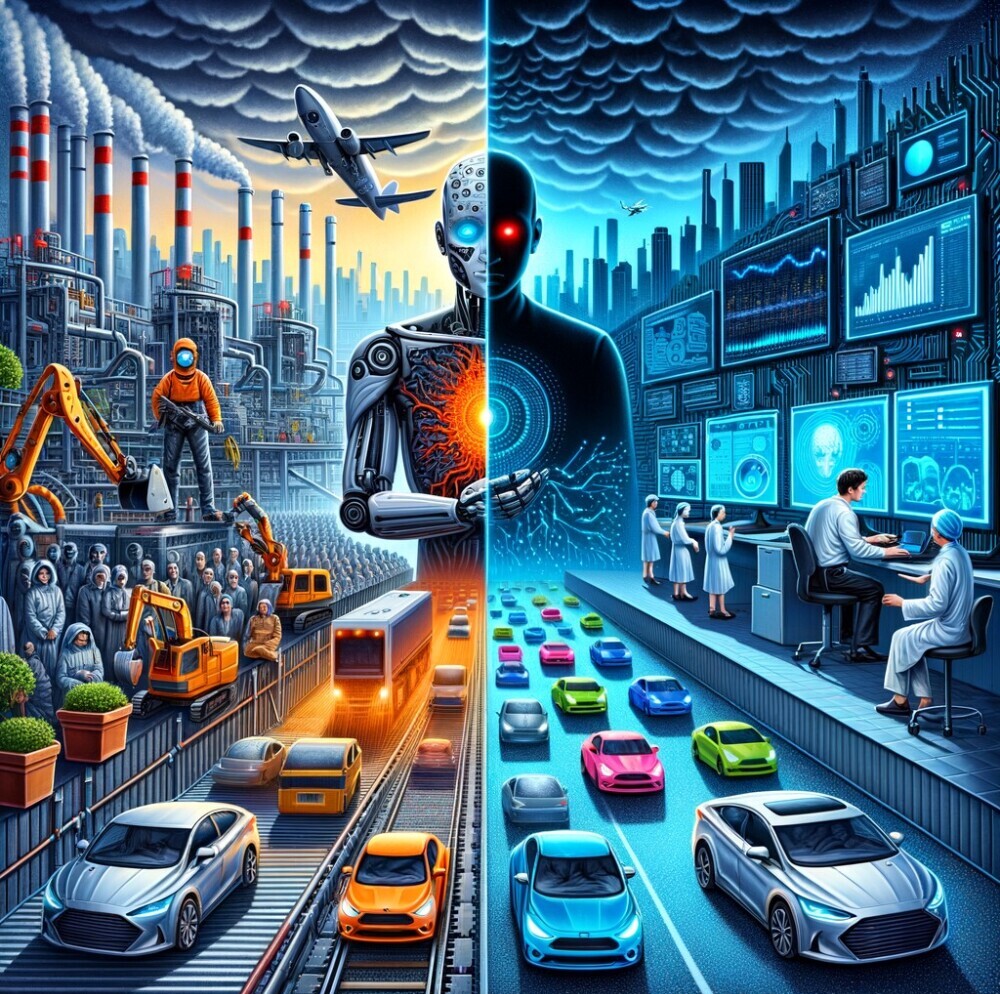
Artificial Intelligence (AI) is revolutionizing the retail, marketing, and sales sectors by enhancing consumer experiences through personalization and efficiency. In retail, AI-driven analytics enable businesses to understand customer preferences more deeply than ever before. By analyzing vast amounts of data from various touchpoints—such as purchase history, browsing behavior, and social media interactions—retailers can tailor their offerings to meet individual needs. This level of personalization not only boosts customer satisfaction but also drives sales by recommending products that consumers are more likely to purchase.
In marketing, AI tools are transforming how brands engage with their audiences. Predictive analytics allows marketers to anticipate trends and consumer behaviors accurately, enabling them to craft targeted campaigns that resonate with specific demographics. Additionally, AI-powered chatbots provide real-time customer service on digital platforms, offering immediate assistance while gathering valuable insights into consumer inquiries and concerns.
Sales processes have also been streamlined through the integration of AI technologies. Automated systems handle routine tasks such as lead scoring and follow-ups efficiently, freeing up human resources for more complex negotiations or relationship-building activities. Moreover, machine learning algorithms analyze past sales data to forecast future demand accurately—a critical capability for inventory management and strategic planning.
The implementation of virtual reality (VR) powered by AI further enhances shopping experiences by allowing customers to visualize products in a simulated environment before making a purchase decision. This immersive technology bridges the gap between online convenience and in-store experience.
Overall, the incorporation of AI in retailing strategies not only optimizes operational efficiencies but also fosters deeper connections between brands and consumers by delivering personalized experiences at scale. As these technologies continue to evolve rapidly alongside changing consumer expectations globally across industries like fashion or electronics alike; companies must adapt swiftly if they wish remain competitive within this dynamic landscape reshaped fundamentally due its transformative power over traditional business models worldwide today!
 6. Ethical Considerations and Risks Associated with AI Development
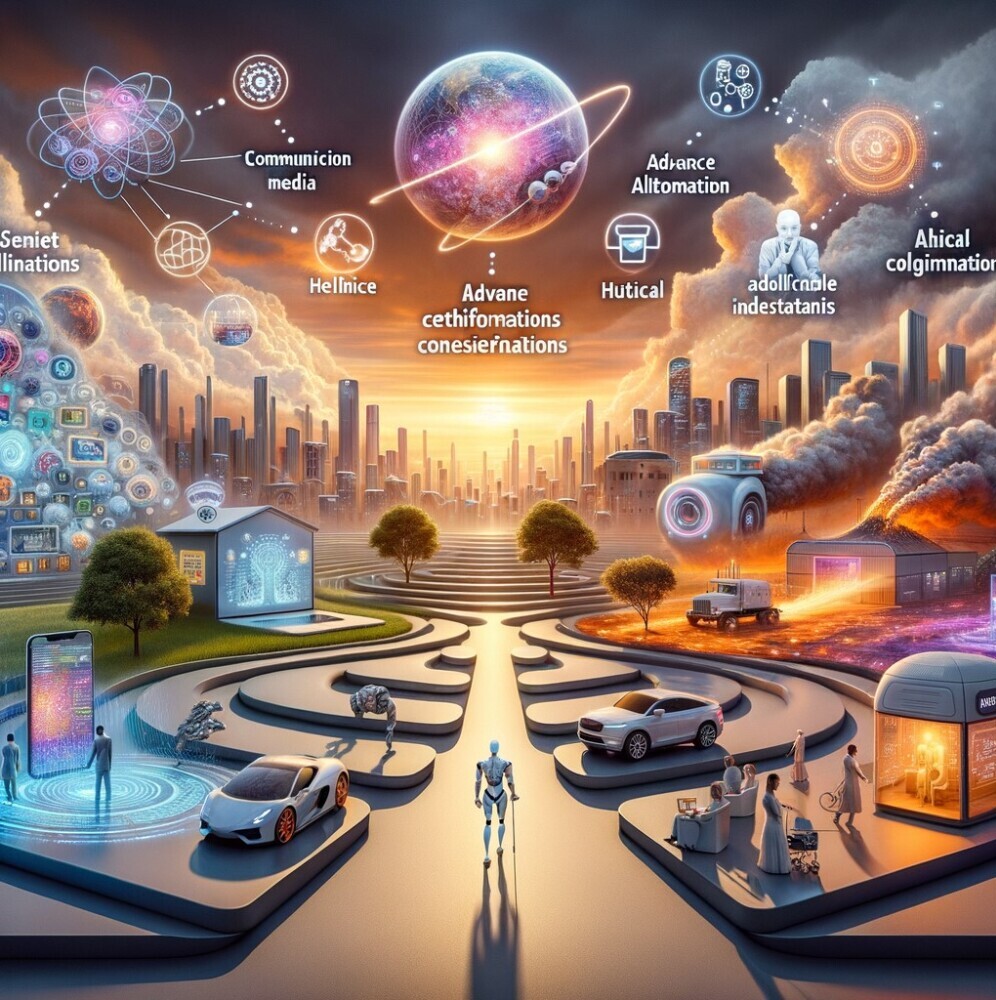
As artificial intelligence continues to evolve, it brings forth a myriad of ethical considerations and potential risks that must be addressed to ensure responsible development and deployment. One primary concern is the issue of bias in AI systems. Since these technologies often learn from existing data sets, they can inadvertently perpetuate or even exacerbate societal biases present in those data sources. This raises questions about fairness and equality, particularly when AI is used in critical areas such as hiring, law enforcement, or lending.
Another significant ethical consideration involves privacy concerns. The vast amounts of data required to train AI models often include sensitive personal information, which can lead to breaches of privacy if not handled correctly. Ensuring robust data protection measures are in place is crucial for maintaining public trust and safeguarding individual rights.
The transparency of AI decision-making processes also poses an ethical challenge. Many advanced AI systems operate as "black boxes," making decisions without clear explanations accessible to users or developers. This lack of transparency can hinder accountability and make it difficult for individuals affected by these decisions to seek recourse or understand the rationale behind them.
Moreover, there is the risk associated with autonomous systems making life-and-death decisions without human intervention, such as self-driving cars or military drones, which necessitates rigorous ethical scrutiny and regulatory oversight.
Finally, the potential for job displacement due to automation introduces socio-economic risks that need careful management through policy interventions aimed at reskilling workers and creating new employment opportunities.
Addressing these ethical considerations requires a collaborative approach involving policymakers, technologists, ethicists, and society at large to develop frameworks that guide responsible AI innovation while mitigating its inherent risks. By doing so, we can harness the transformative power of artificial intelligence while ensuring it aligns with our shared values and principles.
 7. The Future of Work with AI: Human Collaboration or Replacement?
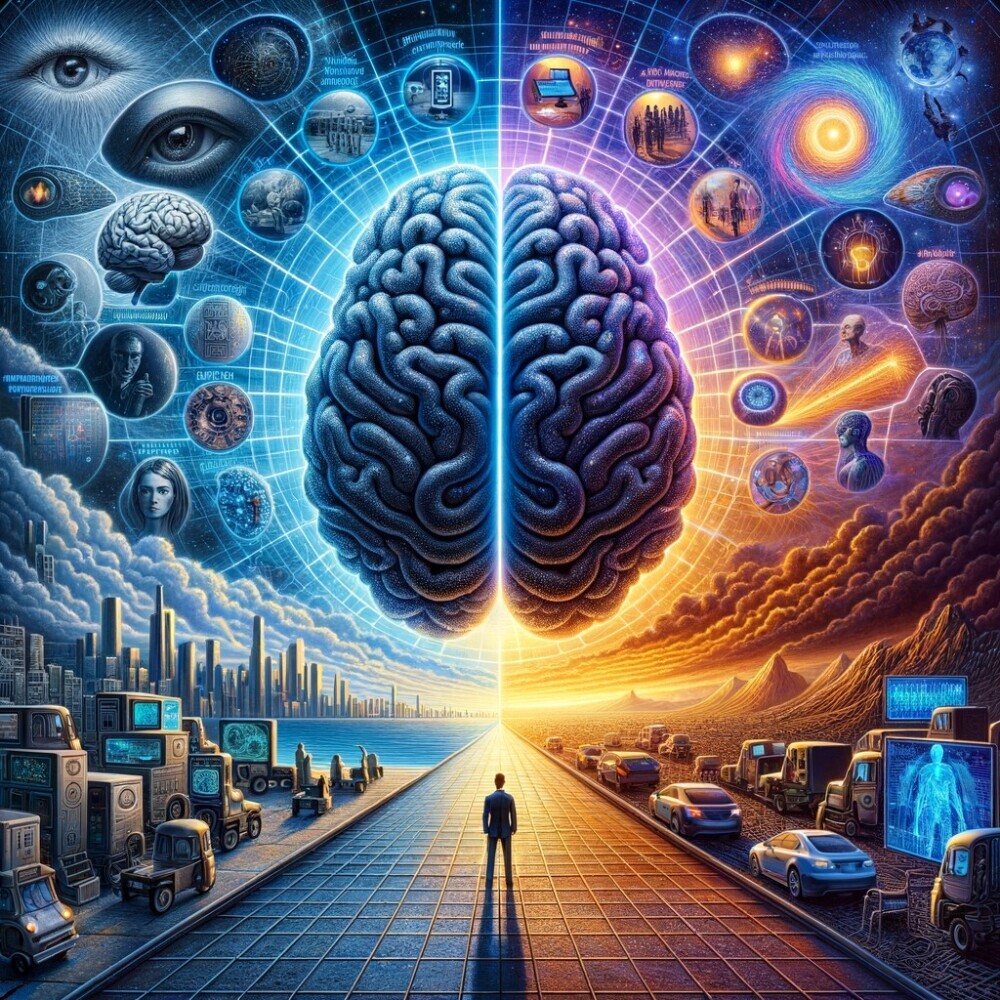
As artificial intelligence continues to evolve, its impact on the workforce is a topic of intense debate and speculation. While some fear that AI will lead to widespread job displacement, others argue that it offers unprecedented opportunities for human collaboration and innovation.
AI's potential to automate routine tasks is undeniable. In industries such as manufacturing, logistics, and even customer service, machines are increasingly capable of performing repetitive functions more efficiently than humans. This shift raises concerns about job security for workers in these sectors. However, history suggests that technological advancements often create new roles even as they render others obsolete.
The future of work with AI may not be a simple case of replacement but rather an evolution towards enhanced collaboration between humans and machines. By taking over mundane tasks, AI can free up human workers to focus on more complex problem-solving activities that require creativity, emotional intelligence, and strategic thinking—skills where humans still hold a distinct advantage over machines.
Moreover, the integration of AI into the workplace necessitates new skill sets among employees. As businesses adopt advanced technologies, there is an increasing demand for professionals who can develop, manage, and maintain these systems. This trend underscores the importance of continuous learning and adaptation in today's dynamic job market.
Organizations must also consider ethical implications when integrating AI into their operations. Ensuring transparency in decision-making processes powered by algorithms is crucial to maintaining trust among employees and customers alike.
In conclusion, while AI presents challenges related to employment dynamics, it simultaneously opens doors for innovative collaborations between technology and human ingenuity. By embracing this transformation thoughtfully—with a focus on reskilling initiatives and ethical considerations—the future workforce can thrive alongside intelligent machines rather than being overshadowed by them.
 Conclusion:
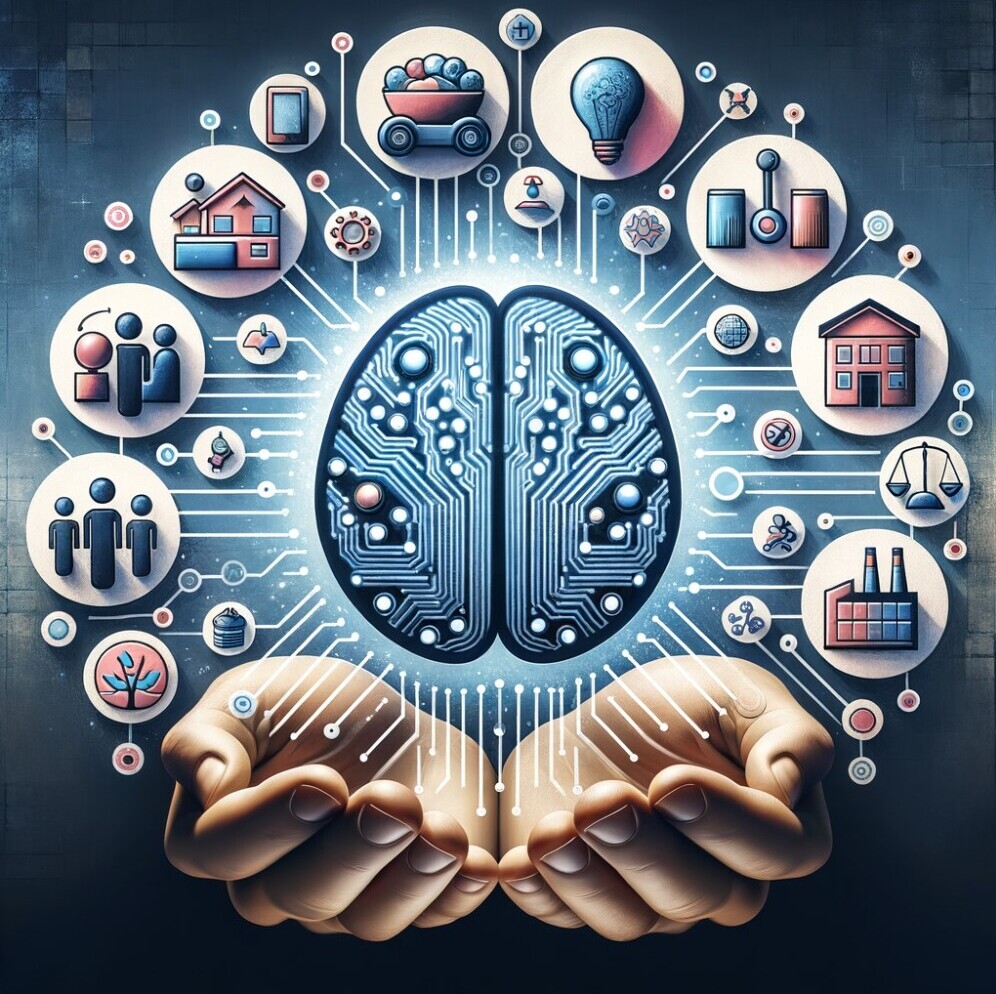
As we stand on the brink of an AI-driven future, the implications of this technology are vast and complex. While AI offers remarkable opportunities for enhancing efficiency, innovation, and quality of life across numerous domains—from healthcare to retail—it also presents significant challenges that require careful navigation. Ethical concerns around bias, privacy, transparency, and job displacement must be addressed collaboratively by stakeholders worldwide to ensure responsible development. By embracing AI thoughtfully—balancing human collaboration with machine capabilities—we can harness its transformative power effectively while safeguarding societal values. The journey ahead demands informed engagement from all sectors as we strive towards a future where humans thrive alongside intelligent machines.

Share this insight
This conversation is happening inside the community.
Join free to continue it.The Internet Changed. Now It Is Time to Build Differently.
If this article resonated, the next step is learning how to apply it. Inside Wealthy Affiliate, we break this down into practical steps you can use to build a real online business.
No credit card. Instant access.