Mastering SEO on Your Own: A Comprehensive Guide for Beginners


Published on June 15, 2025
Published on Wealthy Affiliate — a platform for building real online businesses with modern training and AI.


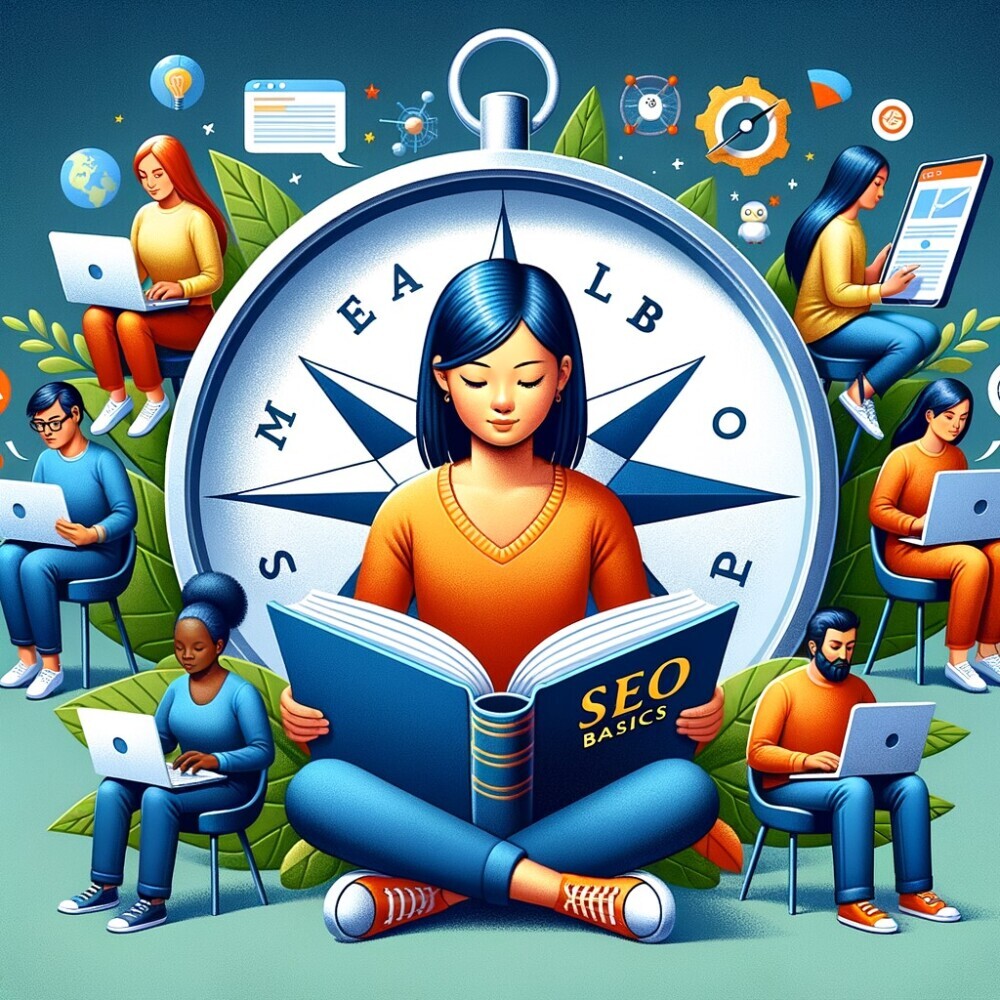 In today’s digital landscape, mastering search engine optimization (SEO) is essential for anyone looking to enhance their online presence, whether for personal projects, professional endeavors, or business growth. However, the journey to SEO proficiency can seem daunting, especially for beginners navigating the vast array of strategies and tools available.
Mastering SEO on Your Own: A Comprehensive Guide for Beginners is designed to demystify the complexities of SEO, providing a structured and accessible roadmap for independent learners.
This guide explores the feasibility of self-taught SEO, offers insights into valuable free resources, discusses the necessary time and financial investments, and highlights the challenges and solutions associated with learning SEO independently.
By leveraging top sources and tools and understanding the strategic differences between SEO and Google Ads, readers will be equipped with the knowledge and confidence to optimize their online presence effectively without the need for formal education or costly courses.
 1. Is It Possible to Learn SEO Independently?
Absolutely, mastering search engine optimization (SEO) independently is not only possible but also increasingly accessible due to the wealth of resources available today. With dedication, structured learning, and practical application, individuals can develop a comprehensive understanding of SEO without formal education or professional courses. The first step involves familiarizing oneself with the fundamental principles of SEO, including keyword research, on-page optimization, technical SEO, and link building. Numerous online platforms offer free tutorials, articles, and webinars that cover these basics in depth.
Additionally, practical experience is crucial in solidifying SEO knowledge. By applying learned concepts to personal projects or websites, learners can observe firsthand how various strategies impact search engine rankings and user engagement. Tools such as Google Analytics, Google Search Console, and various SEO plugins provide valuable insights and data that facilitate this hands-on learning process. Engaging with SEO communities, forums, and social media groups can also provide support, answer questions, and offer diverse perspectives on evolving SEO trends.
Moreover, staying updated with the latest algorithm changes and industry best practices is essential, as SEO is a dynamic field influenced by continuous updates from search engines like Google. Subscribing to reputable SEO blogs and newsletters ensures that independent learners remain informed about new techniques and strategies. Time management and self-discipline play significant roles in self-directed SEO learning, as individuals must create and adhere to their learning schedules without the structure provided by formal education.
While learning SEO independently may present challenges, such as information overload or the absence of guided instruction, the rewards are substantial. Independent learners gain the flexibility to tailor their education to specific interests and career goals, often at a lower cost compared to traditional educational pathways. With perseverance and the right resources, anyone committed to understanding and implementing SEO can achieve proficiency and leverage these skills to enhance online presence, drive traffic, and achieve business objectives.
 2. Accessing Free SEO Resources to Kickstart Your Journey
Embarking on the journey to master search engine optimization (SEO) does not necessitate a significant financial investment. A wealth of high-quality, free resources is readily available to guide beginners through the complexities of SEO. Utilizing these resources effectively can provide a solid foundation and accelerate learning.
One of the foremost free resources is the Google Search Central (formerly Google Webmaster Central). It offers comprehensive documentation and guidelines directly from the search engine giant, including the Google Search Console Help Center and the Google Analytics Academy, which are indispensable for understanding site performance and user behavior.
Moz’s Beginner’s Guide to SEO is another invaluable tool, presenting concepts in an accessible manner. Moz also maintains a blog that regularly publishes up-to-date articles on SEO trends and best practices. Similarly, Ahrefs’ Blog and Neil Patel’s Blog are renowned for their in-depth analyses and actionable strategies, catering to both novices and seasoned practitioners.
Online learning platforms such as Coursera, edX, and HubSpot Academy offer free courses on SEO fundamentals. These courses often include video lectures, reading materials, and practical assignments that facilitate a structured learning experience.
Participating in SEO forums and communities like Reddit’s r/SEO and Google’s Webmaster Help Community allows learners to engage with professionals, seek advice, and stay informed about the latest industry developments. Additionally, YouTube hosts a plethora of tutorials and webinars from SEO experts, providing visual and practical insights.
Utilizing free SEO tools is equally important. Tools such as Google Keyword Planner, Ubersuggest, and Answer The Public assist in keyword research and content optimization without any cost. Yoast SEO, a WordPress plugin, helps optimize website content for search engines effortlessly.
By leveraging these free resources, beginners can build a robust understanding of SEO principles, stay current with evolving practices, and apply their knowledge effectively to enhance website visibility and performance.
 3. Time Investment: How Long Does It Really Take to Learn SEO?
Mastering search engine optimization (SEO) is a multifaceted endeavor that varies in duration based on several factors, including prior knowledge, the depth of understanding sought, and the time dedicated to study and practice. Generally, a foundational grasp of SEO principles can be achieved within three to six months for an individual who commits consistent, part-time effort, such as dedicating a few hours each week to learning and application.
For beginners with limited technical backgrounds, the initial phase involves familiarizing oneself with core concepts like keyword research, on-page optimization, and basic analytics. This phase typically spans the first few months, during which learners can benefit from structured online courses, tutorials, and practical exercises. Engaging with real-world projects, such as optimizing a personal blog or website, accelerates the learning process by providing hands-on experience.
Achieving intermediate proficiency, which includes understanding more advanced topics like technical SEO, backlink strategies, and content marketing integration, often requires an additional six months to a year of dedicated study and practical application. This stage involves staying updated with the ever-evolving SEO landscape, as search engine algorithms frequently change, necessitating continuous learning and adaptation.
For those aiming to reach expert-level competency, encompassing comprehensive skills in SEO strategy, data analysis, and the ability to lead SEO initiatives, the time investment can extend to several years. This level of expertise typically involves ongoing education, participation in SEO communities, attending industry conferences, and possibly obtaining certifications.
It is important to recognize that SEO is not a static field; it demands lifelong learning and adaptability. Regular practice, experimentation, and staying informed about the latest trends and algorithm updates are essential for sustained proficiency. Additionally, leveraging time-efficient learning methods, such as curated learning paths and mentorship, can optimize the time investment required to master SEO independently.
Ultimately, the timeline to learn SEO independently is flexible and tailored to individual circumstances, dedication, and the strategic use of available resources.
 4. Overcoming the Challenges: It’s Never Too Late to Master SEO
Mastering search engine optimization (SEO) independently presents a series of challenges, but with determination and strategic approaches, these obstacles can be effectively navigated. One common challenge is the rapidly evolving nature of SEO. Search engine algorithms are continually updated, requiring learners to stay informed about the latest best practices. To overcome this, dedicating time to follow reputable SEO blogs, forums, and industry experts ensures that one remains current with changes and trends.
Another significant hurdle is information overload. The vast amount of SEO resources available can be overwhelming, making it difficult to discern which strategies are most effective. Establishing a structured learning path, perhaps by following a comprehensive beginner’s guide or enrolling in a structured online course, can help streamline the learning process. Focusing on fundamental concepts before delving into advanced techniques also helps build a solid understanding without feeling overwhelmed.
Ready to put this into action?
Start your free journey today — no credit card required.
Practical application is essential for reinforcing theoretical knowledge, yet many self-learners struggle to implement strategies effectively. To address this, creating a personal website or blog serves as a practical platform to experiment with SEO techniques. This hands-on experience not only solidifies learning but also provides tangible results to analyze and improve upon.
Lack of mentorship or guidance can impede progress, especially for those new to the field. Engaging with online communities, such as SEO forums or social media groups, offers opportunities to seek advice, share experiences, and receive feedback from more experienced practitioners. Networking within these communities can also lead to mentorship opportunities, further enhancing the learning journey.
Time management is another challenge, particularly for individuals balancing SEO learning with other personal or professional responsibilities. Setting realistic goals, establishing a consistent study schedule, and breaking down learning objectives into manageable tasks can help maintain steady progress without becoming overwhelming.
Ultimately, perseverance and a proactive approach to overcoming these challenges reaffirm that it is never too late to master SEO. With commitment and the right strategies, individuals can successfully develop and refine their SEO skills independently.
 5. Understanding the Costs Involved in Learning SEO
Learning SEO independently can be a cost-effective endeavor, but it is essential to understand the various expenses that may be involved to ensure a comprehensive learning experience. The costs can be broadly categorized into educational materials, tools, and potential professional assistance.
Firstly, educational materials range from free resources to premium courses. While numerous high-quality free resources are available, such as blogs, webinars, and YouTube tutorials, investing in structured courses from reputable platforms like Coursera, Udemy, or LinkedIn Learning can provide a more systematic and in-depth understanding. These courses typically range from $50 to $500, depending on the depth and accreditation provided.
Secondly, SEO tools are crucial for practical application and analysis. Essential tools include keyword research platforms (e.g., SEMrush, Ahrefs, Moz), which often operate on a subscription basis, with costs ranging from $100 to $400 per month. Additionally, access to website analytics tools like Google Analytics is free, but advanced features or integrations may incur additional costs.
Thirdly, there may be costs associated with gaining hands-on experience. The price tag includes domain registration and web hosting for creating a practice website, which can cost approximately $50 to $200 annually. Additionally, investing in website design or development services to create a professional-looking site may be necessary, depending on one’s technical skills.
Moreover, networking and learning from professionals can involve costs such as attending industry conferences, workshops, or seminars. These events can range from a few hundred to several thousand dollars, depending on the event’s scale and location.
Lastly, while optional, hiring a mentor or consultant for personalized guidance can accelerate the learning process. Rates for professional SEO consultants vary widely, typically ranging from $50 to $200 per hour.
In summary, while self-learning SEO can be managed on a modest budget, allocating funds toward comprehensive educational resources, essential tools, and practical applications enhances the learning process and ensures a more robust understanding of SEO principles and practices.
 6. Top Sources and Tools for Self-Taught SEO Enthusiasts
Embarking on a self-guided journey to master SEO requires access to high-quality resources and effective tools. Leveraging the right sources can provide foundational knowledge, while advanced tools enable practical application and analysis.
Educational Resources:
1. Moz Beginner's Guide to SEO: This comprehensive guide offers step-by-step instructions on SEO fundamentals, making it ideal for beginners.
2. Google’s Search Engine Optimization (SEO) Starter Guide: Directly from the source, this guide offers vital details about how Google views SEO best practices.
3. Ahrefs Blog: Renowned for its in-depth articles and case studies, Ahrefs covers a wide range of SEO topics, from technical SEO to content marketing strategies.
4. Search Engine Journal and Search Engine Land: These leading industry publications offer the latest news, trends, and expert opinions, keeping learners updated on the evolving SEO landscape.
5. Online Courses from Platforms like Coursera and Udemy: Structured courses from SEO experts provide a structured learning path, often supplemented with practical assignments.
Essential SEO Tools:
1. Google Analytics: A vital tool for tracking website traffic, user behavior, and conversion metrics, enabling data-driven decision-making.
2. Google Search Console: Offers information regarding website performance in Google Search, including indexing status, search queries, and potential issues.
3. SEMrush: An all-in-one marketing toolkit offering features like keyword research, competitor analysis, and site audits to optimize SEO strategies effectively.
4. Ahrefs: Known for its robust backlink analysis and comprehensive keyword research capabilities, Ahrefs is essential for understanding and improving site authority.
5. Yoast SEO (for WordPress users): This plugin simplifies on-page SEO, offering real-time suggestions to enhance content for search engines.
6. Screaming Frog SEO Spider: A powerful website crawler that identifies technical SEO issues such as broken links, duplicate content, and missing meta tags.
Community and Support:
Engaging with SEO communities on platforms like Reddit’s r/SEO, LinkedIn groups, and specialized forums can provide support, answer questions, and offer networking opportunities with other enthusiasts and professionals.
By systematically utilizing these resources and tools, self-taught SEO enthusiasts can build a solid foundation, execute effective strategies, and stay abreast of industry developments, ultimately achieving mastery in SEO.
 7. SEO vs. Google Ads: Deciding Which Skill to Prioritize First
When embarking on the journey to enhance your online presence, understanding the distinction between Search Engine Optimization (SEO) and Google Ads is crucial. Both strategies aim to increase visibility and attract traffic, but they operate differently and offer unique benefits.
SEO focuses on improving your website’s organic search rankings through optimizing content, enhancing site structure, and building quality backlinks. This approach is cost-effective in the long run, as it targets users actively searching for relevant information without ongoing payment per click. Mastering SEO can lead to sustained traffic growth, higher credibility, and better user experience. However, SEO requires time and patience, as results typically take several months to materialize.
Conversely, Google Ads provides immediate visibility by placing your website at the top of search results through paid advertisements. This method offers precise targeting options, enabling you to reach specific demographics, locations, and user behaviors. Google Ads can generate quick traffic and is particularly useful for promoting time-sensitive campaigns or testing market responses. The downside is the ongoing cost; once you stop funding your ads, the traffic diminishes instantly.
Deciding which skill to prioritize depends on your specific goals, resources, and timeline. If you seek long-term, sustainable growth and have the patience to invest time in optimizing your site, prioritizing SEO might be the better choice. It builds a solid foundation that can continuously attract and engage users without recurring costs.
On the other hand, if you require immediate results, have the budget to support ongoing advertising, and aim to drive traffic quickly for a campaign or product launch, focusing on Google Ads could be more advantageous. Additionally, understanding both SEO and Google Ads can provide a comprehensive digital marketing strategy, allowing you to leverage the strengths of each method effectively.
Ultimately, a balanced approach that integrates both SEO and Google Ads can offer the most robust results, combining the enduring benefits of organic search with the immediate impact of paid advertising.
 Conclusion:
Embarking on the journey to master SEO independently is both achievable and rewarding, offering unparalleled flexibility and control over your learning process. This comprehensive guide has equipped you with the essential knowledge, resources, and strategies needed to navigate the dynamic world of SEO. From accessing free educational materials and understanding the time and financial commitments involved to overcoming common challenges and utilizing top-tier tools, you now have a clear path to building and refining your SEO skills.
Whether you choose to focus on long-term organic growth through SEO or leverage the immediate impact of Google Ads, the insights provided will empower you to make informed decisions tailored to your specific goals. Remember, the key to SEO success lies in continuous learning and adaptation. With dedication and the right approach, you can achieve proficiency in SEO, driving meaningful traffic and achieving your online objectives.

Share this insight
This conversation is happening inside the community.
Join free to continue it.The Internet Changed. Now It Is Time to Build Differently.
If this article resonated, the next step is learning how to apply it. Inside Wealthy Affiliate, we break this down into practical steps you can use to build a real online business.
No credit card. Instant access.