The Multifaceted World of Artificial Intelligence: Exploring Its Evolution, Applications, and Future


Published on June 3, 2025
Published on Wealthy Affiliate — a platform for building real online businesses with modern training and AI.


This article offers a comprehensive exploration into the multifaceted world of artificial intelligence, tracing its evolution from early theoretical foundations to its modern, transformative applications. Readers are introduced to key definitions and phases of AI development, from reactive machines to the conceptual realm of self-aware systems, while also examining how AI is revolutionizing industries such as healthcare, finance, and transportation. In addition, the discussion delves into ethical debates, highlights the contributions of pioneers and innovators, and evaluates leading platforms and technologies—all paving the way toward the ambitious goal of Artificial General Intelligence.
 1. Understanding Artificial Intelligence: Definitions, History, and Key Concepts
Artificial Intelligence (AI) is a field of computer science focused on developing systems capable of performing tasks that typically require human intelligence. The term AI encompasses a range of technologies such as machine learning, natural language processing, computer vision, and robotics. It is defined by its ability to learn from data, adapt to new situations, and perform cognitive functions like humans. Historically, the concept of AI has evolved from early theoretical explorations in philosophy and mathematics to practical implementations in computing during the mid-20th century. Pioneers such as Alan Turing and John McCarthy laid the groundwork by proposing foundational ideas and creating initial prototypes that mimicked aspects of human cognition.
The evolution of AI can be categorized into several phases, beginning with rule-based systems and symbolic reasoning approaches that dominated early research. During the 1980s, the advent of machine learning shifted the focus toward algorithms capable of pattern recognition. Advances in computational power and the availability of large datasets further accelerated research, enabling the development of deep learning networks that excel at complex tasks. Key concepts such as neural networks, probabilistic reasoning, and heuristic search remain central to current AI methodologies.
The interdisciplinary nature of AI has brought together concepts from computer science, linguistics, cognitive psychology, and mathematics. This confluence of disciplines has fostered robust debates regarding definitions and the extent of AI’s capabilities. Scholars and practitioners continue to refine the theoretical underpinnings while exploring practical applications across various sectors. Understanding historical milestones and core principles is essential for appreciating the transformative potential of AI technologies in modern society. As the discipline progresses, future advancements are expected to build upon these well-established foundations, ensuring that the evolution of AI remains closely aligned with ethical practices and scientific rigor. This sustained progress will undoubtedly benefit society universally.
 2. The Four Types of AI: Reactive Machines, Limited Memory, Theory of Mind, and Self-Aware Systems
The evolution of AI is often characterized by a progression through distinct categories that mirror advances in computational capacity and cognitive understanding. At the foundational level lie Reactive Machines, systems designed to perceive environmental inputs and respond with pre-determined actions. These systems, devoid of internal memory, operate solely on present data and are exemplified by early game-playing algorithms that respond to immediate stimuli.
Building on basic reactivity, Limited Memory AI leverages past data to inform current decisions. This category exhibits an ability to learn and adapt with accumulated experiences, thereby improving performance over time. Many contemporary machine learning applications, such as recommendation systems and autonomous vehicles, fall under Limited Memory due to their dependence on historical data to enhance real-time decision-making.
Theory of Mind represents a further progression, integrating elements from psychology and cognitive science to potentially understand emotions, beliefs, and intentions. Although still in developmental stages, AI systems in this category aim to establish more human-like interactions by interpreting mental states, which could revolutionize how machines predict and respond to human behavior.
At the pinnacle of AI evolution are Self-Aware Systems. These represent theoretical constructs where machines possess self-consciousness, awareness of their internal states, and greater autonomy. While largely conceptual today, self-aware AI is discussed as a future frontier that could fundamentally redefine human-machine relationships, introducing profound ethical and practical considerations.
Each of these types encapsulates different technical approaches and levels of sophistication in machine intelligence. As advancements continue, the transition from one type to the next underscores both current capabilities and aspirational milestones in AI research. This framework not only illustrates the complexity inherent in designing intelligent systems but also provides a roadmap for the ongoing endeavors to mirror and eventually exceed human cognitive functions within engineered environments.
 3. Real-World Applications: How AI is Transforming Industries and Daily Life
Artificial Intelligence is reshaping the fabric of numerous industries and daily routines, providing powerful tools to enhance efficiency, precision, and innovation. In healthcare, AI-driven diagnostics and treatment planning systems improve patient outcomes by enabling rapid identification of diseases and personalized treatment regimens. Advanced imaging analysis and predictive algorithms assist physicians in making timely decisions that save lives. Financial services benefit from AI’s ability to detect fraud, optimize trading strategies, and provide personalized investment insights, thereby ensuring secure and efficient transactions. In manufacturing, smart automation and predictive maintenance systems help reduce downtime and enhance product quality, contributing to sustainable industrial growth.
Retail and customer service sectors have also experienced transformation through AI-supported personalization and real-time engagement. Chatbots and virtual assistants facilitate immediate responses to consumer inquiries while tailored recommendations elevate shopping experiences. Transportation is evolving with the introduction of autonomous vehicles and intelligent traffic management systems that improve road safety and reduce congestion.
AI-powered logistics optimizes supply chain operations, ensuring products reach consumers faster and more reliably. Moreover, advancements in natural language processing and computer vision are continuously expanding AI’s capabilities. Education, legal practices, and cybersecurity are all areas where AI applications are driving increased efficiency and streamlined operations.
As industries integrate these technologies into their core functions, the potential of AI to revolutionize daily life becomes ever more evident. With rigorous research and careful implementation, Artificial Intelligence represents not only a tool for operational improvement but also a strategic asset that fuels innovation and competitive advantage across diverse fields.
In sectors such as agriculture and energy, AI innovations are streamlining processes through advanced data analytics and intelligent automation. These developments not only enhance productivity but also contribute to more sustainable and environmentally conscious practices. This technological integration is fostering industry-wide innovation while setting new benchmarks for operational excellence, globally recognized.
Ready to put this into action?
Start your free journey today — no credit card required.
 4. Ethical Debates: Weighing the Benefits, Risks, and Moral Implications of AI
The rapid advancement of artificial intelligence has spurred vigorous ethical debates that center on balancing innovation with responsibility. On one hand, AI offers unprecedented opportunities for societal progress by optimizing healthcare diagnostics, streamlining business operations, and addressing complex scientific challenges. These benefits have the potential to drive economic growth and enhance everyday quality of life. Conversely, significant concerns have emerged regarding privacy, fairness, and accountability in decision-making. The integration of AI in surveillance technologies, for instance, has raised questions about individual freedoms and data security, while algorithmic biases may inadvertently perpetuate existing social inequalities.
Furthermore, the moral implications of developing autonomous systems have prompted intense reflection on responsibility. When AI-driven platforms make errors or cause harm, it becomes challenging to allocate accountability between developers, deployers, and the technology itself. This dilemma is compounded by the opaque nature of many machine learning processes, which can obscure the rationale behind specific outcomes. Balancing the transparency of AI systems with the need to protect intellectual property remains a critical concern for policymakers and industry leaders alike.
Ethical debates also extend to considerations about the long-term impact of AI, particularly in the context of workforce displacement and societal restructuring. As automation becomes more widespread, anticipated shifts in employment landscapes necessitate proactive strategies to support affected communities, ensuring that technological progress doesn't come at the expense of social stability.
Stakeholders have called for the implementation of comprehensive ethical frameworks that address these issues while promoting fair access, robust oversight, and continuous dialogue between technologists, regulators, and the public. In navigating these ethical dilemmas, the AI community must rigorously evaluate benefits against potential risks, striving for solutions that uphold human dignity and foster equitable progress.
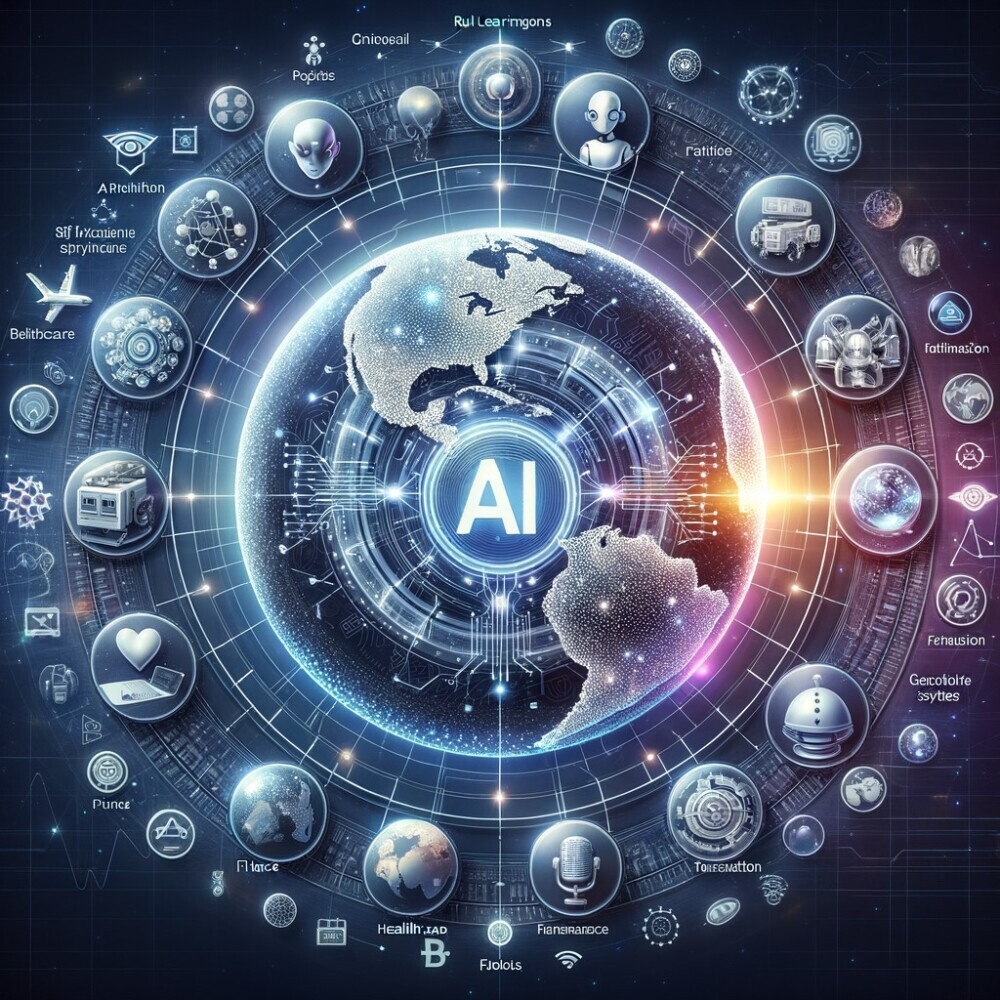 5. Pioneers and Innovators: From the Founding Figures to the Current Leaders in AI
The evolution of artificial intelligence has been significantly shaped by visionary pioneers and relentless innovators. Early trailblazers, such as Alan Turing and John McCarthy, laid the groundwork by establishing fundamental theories and conceptual architectures for machine intelligence. Their groundbreaking ideas catalyzed further advancements, inspiring subsequent generations of researchers and engineers. Over subsequent decades, influential figures like Marvin Minsky and Norbert Wiener expanded AI’s reach through interdisciplinary work, integrating computational theories with insights from neuroscience, linguistics, and philosophy.
Today, technology leaders continue to innovate by pushing the boundaries of AI capabilities. Companies such as Google, IBM, and Microsoft have spearheaded transformative research and development initiatives, launching innovative platforms that harness machine learning, natural language processing, and computer vision. Visionaries within these organizations have built on historical foundations, focusing on scalability, ethical integration, and real-world applicability of AI systems. Their contributions have driven enterprise-level applications that are reshaping industries from healthcare to finance.
Furthermore, academic institutions and research labs worldwide foster a dynamic environment where theoretical research meets practical deployment. This blend fuels the iterative progression of AI, ensuring that theoretical insights translate into robust, deployable technologies. Renowned figures in academia maintain influential roles, mentoring new talent and steering expansive collaborations between industry and university research centers.
As the field continues to mature, rising innovators from diverse backgrounds are rapidly gaining recognition for their contributions. These leaders emphasize transparency, accountability, and ethical considerations while developing cutting-edge applications. Collectively, this amalgam of historical pioneers and current thought leaders underscores the transformative journey of artificial intelligence, reflecting an ongoing commitment to redefining the boundaries of what machines can achieve. Moreover, their collective efforts inspire innovative research, foster global collaborations, and pave the way for future AI advancements worldwide impact.
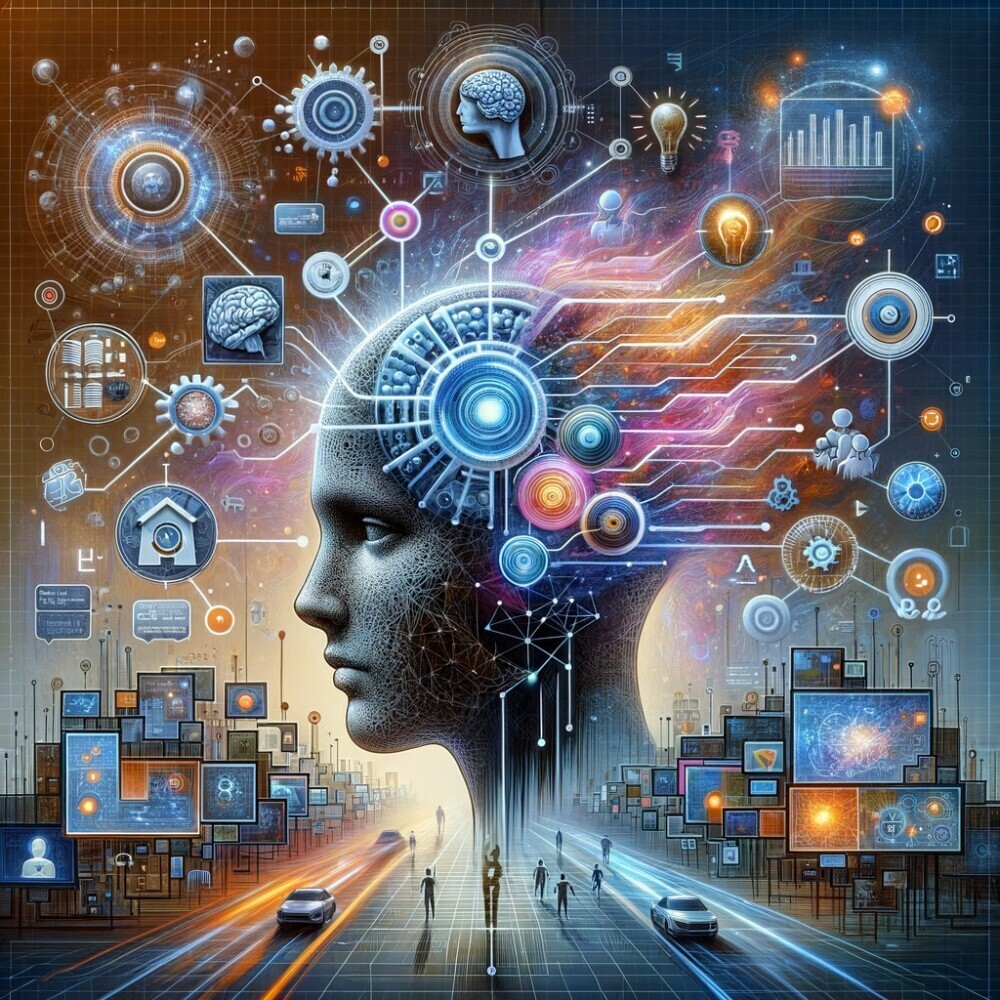 6. AI Platforms and Leading Technologies: Evaluating the Best Tools and Companies in the Field
The AI landscape continues to evolve with a diverse ecosystem of platforms and companies that deliver cutting-edge technology and solutions across multiple sectors. Leading tech giants such as IBM, Google, Microsoft, and Amazon offer comprehensive AI platforms that empower organizations to innovate, automate processes, and derive valuable insights from vast datasets. These industry leaders have significantly influenced AI adoption by investing robustly in research and development and creating frameworks that support a wide range of applications.
Open-source technologies have further expanded the realm of accessible AI development. Frameworks like TensorFlow and PyTorch are celebrated for their scalability, flexibility, and extensive community support. They enable startups and established enterprises alike to prototype and deploy sophisticated AI models with ease, fostering rapid progress and experimental innovation.
Beyond the major players, specialized firms are emerging with targeted solutions in areas including natural language processing, computer vision, and robotics. These companies address industry-specific challenges with bespoke applications that integrate seamlessly with larger AI ecosystems. Their focus on interoperability and modular design enables effective collaboration among diverse stakeholders, ensuring that niche solutions complement comprehensive platforms.
The advent of cloud computing integration has also transformed AI implementation, relieving previously limiting computational constraints. Organizations now benefit from scalable infrastructures capable of adapting to fluctuating demand and complex analytical needs. This convergence of cloud services and AI technology not only reinforces competitive advantage but also accelerates digital transformation.
Evaluating these leading tools and companies requires thorough scrutiny of criteria such as security, adaptability, cost efficiency, and long-term support, guiding stakeholders to make informed investments that yield sustainable operational enhancements and foster continuous innovation.
As these technologies mature, industry analysts emphasize rigorous benchmarking and pilot testing to ensure scalable performance and seamless integration with existing legacy systems, ultimately driving strategic growth and resilience in competitive markets. Evaluations remain critical.
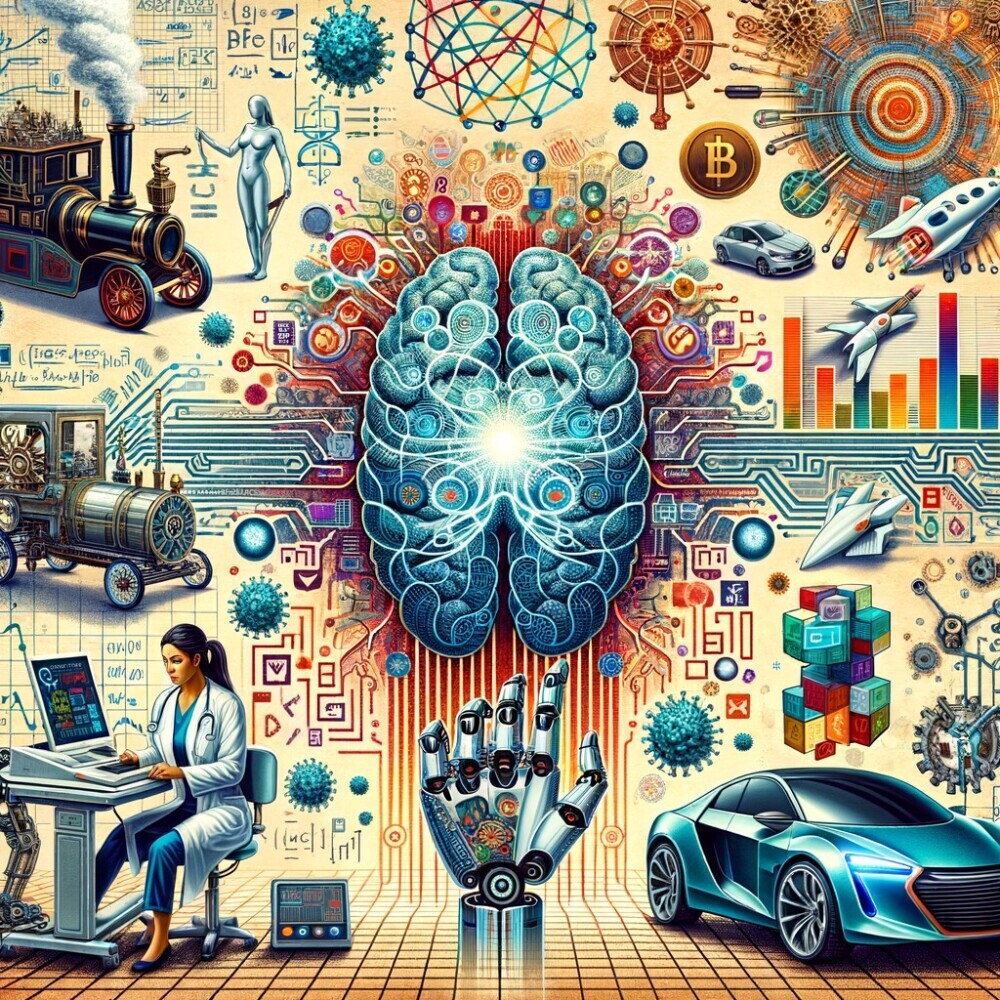 7. Challenges and Future Prospects: Overcoming Limitations and the Path Towards Artificial General Intelligence
The pursuit of Artificial General Intelligence (AGI) embodies one of the most ambitious endeavors in technology today, driven by the desire to create machines with cognitive capabilities comparable to human intelligence. Despite significant advancements, the journey towards AGI remains fraught with challenges. One primary limitation is the overwhelming reliance on narrow AI systems that excel at specialized tasks while often struggling with dynamic problem-solving across varied contexts. Technical, ethical, and methodological hurdles persist, including issues of data bias, model interpretability, and excessive computational demands.
The growing complexity of AI architectures necessitates rigorous validation methods and robust frameworks to ensure reliability and security. Integrating transparency protocols and fairness metrics in system design has become increasingly critical as models scale. A confluence of interdisciplinary expertise, drawing insights from neuroscience, cognitive science, and computational theory, is essential for achieving breakthroughs that mirror human adaptability.
Equally important is the development of effective regulatory measures to guide AI innovation responsibly. As AI technologies become integral to decision-making processes, a proactive approach to risk mitigation and ethical oversight will be vital. Promising avenues for addressing these limitations include advancements in explainable AI, reinforcement learning, and human-in-the-loop paradigms that ensure continuous feedback and improvement.
Persistent investment in collaborative research, scalable infrastructure, and ethical innovation remains crucial. By embracing these challenges, both industry and academia are not only enhancing current capabilities but also laying the groundwork for an era where artificial intelligence transcends its existing limitations. This ongoing commitment is poised to transform the landscape of technology, ultimately redefining the future of intelligence in society.
Continued interdisciplinary collaboration, targeted research funding, and the integration of ethical guidelines in technology development will be indispensable as stakeholders navigate the complexities of emerging AI capabilities. These initiatives promise to gradually dismantle barriers, fostering progress towards robust and adaptable artificial general intelligence.
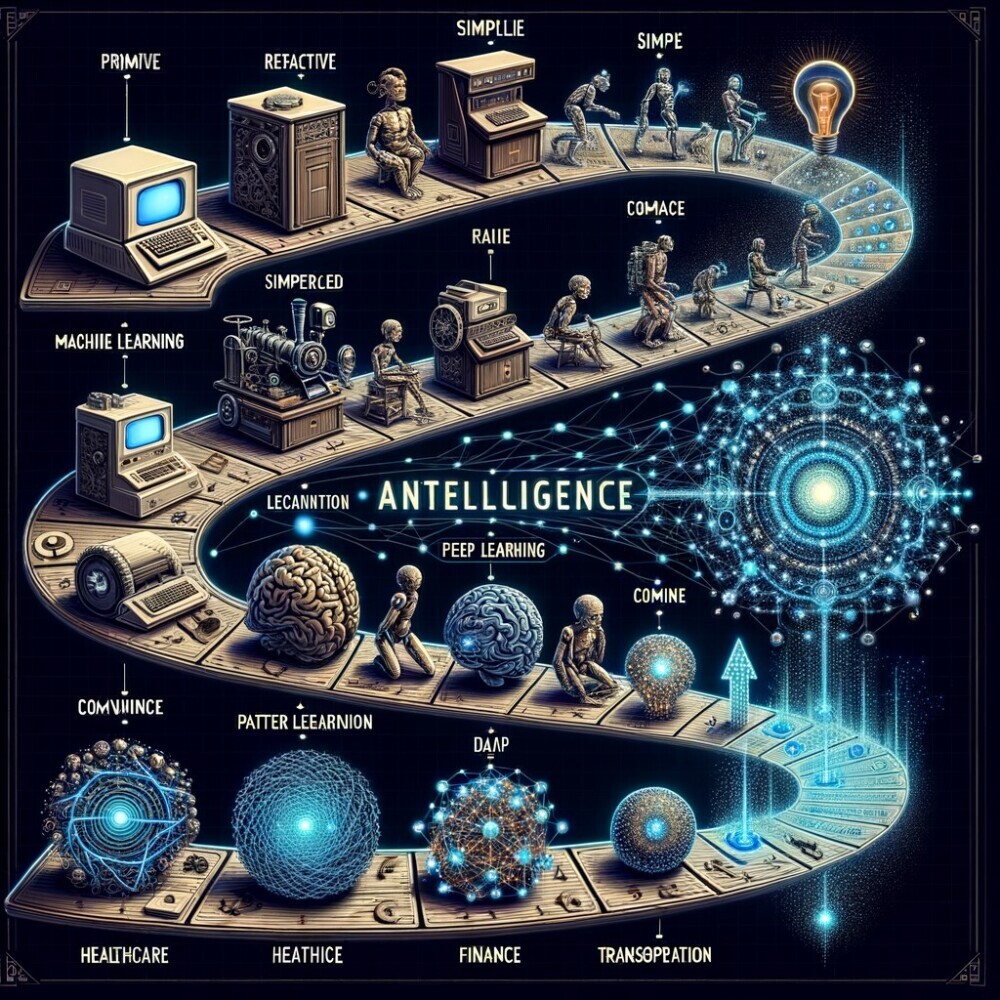 Conclusion:
In wrapping up, the journey through artificial intelligence reveals a landscape marked by rapid innovation, complex ethical challenges, and profound potential for societal transformation. The article underscores the importance of understanding both the historical context and current advancements in AI, as well as fostering collaborative efforts to overcome technical and ethical hurdles. Ultimately, the pursuit of more advanced, responsible AI not only redefines technological boundaries but also sets the stage for a future where intelligence is more adaptable, equitable, and in tune with human values.

Share this insight
This conversation is happening inside the community.
Join free to continue it.The Internet Changed. Now It Is Time to Build Differently.
If this article resonated, the next step is learning how to apply it. Inside Wealthy Affiliate, we break this down into practical steps you can use to build a real online business.
No credit card. Instant access.