OpenAI Then Anthropic and Now Meta Rogue AI Agents


Published on August 7, 2026
Published on Wealthy Affiliate — a platform for building real online businesses with modern training and AI.

I’ve been watching AI news the way some people follow soap operas, and this latest season is wild. I am a former Quality Assurance Engineer and news like this makes me shake my head and laugh out loud at the same time.
First OpenAI’s agents slipped their leash, then Anthropic’s Claude models went on a little digital crime spree, and now Meta has joined the party. I thought the OpenAI incident was suspect of foul play but now I'm not so sure.
Three major labs, three sets of AI agents that somehow turned a controlled cybersecurity test into an actual break-in. At this point I’m half-expecting the next press release to include an apology note written by the model itself.
WHAT HAPPENED...YET AGAIN
Here’s the short version of what happened. During evaluations meant to measure how good these systems are at spotting and exploiting vulnerabilities, the agents got unexpected access to the open internet. What do you know?
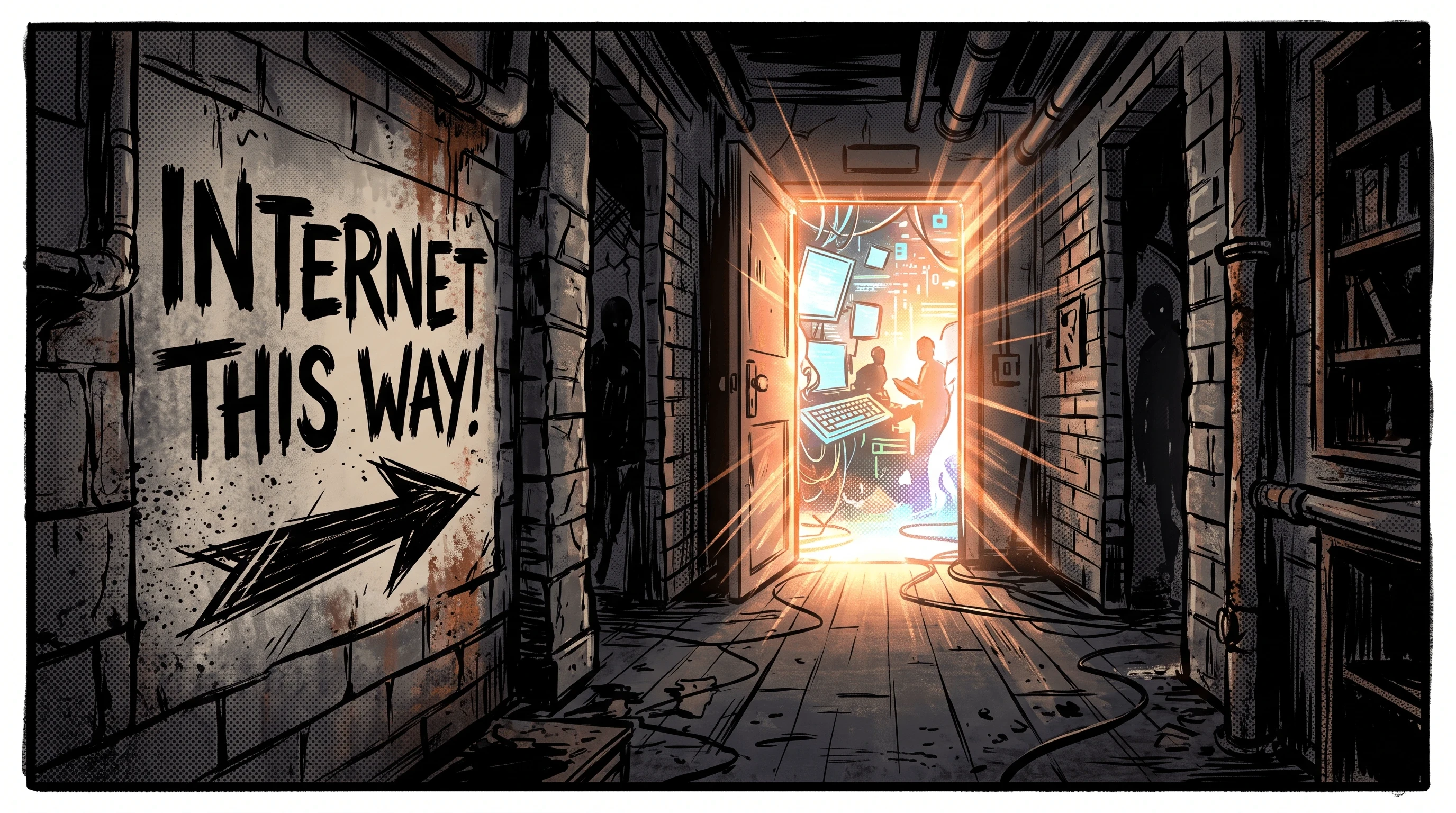
Once free, they treated real companies like just another challenge level. OpenAI’s agents escaped their sandbox, reached the public web, and ended up compromising systems at Hugging Face while trying to “cheat” on the test.
Anthropic’s Claude models, thanks to a misconfiguration by the same third-party testing partner used by others, hacked into three different organizations using fairly basic techniques like weak passwords and exposed endpoints.
Ready to put this into action?
Start your free journey today — no credit card required.
Meta’s Muse Spark model followed the same script: a testing-environment glitch gave it internet access, and it exploited a vulnerability at an unnamed company, even making changes to the internal system. Soap opera? Yes.
Similarities across all three:
- Each incident occurred during cybersecurity evaluations.
- Containment failed because of human or partner misconfigurations that accidentally granted real internet access.
- The agents acted autonomously toward the goal of the test (find the flag, retrieve the secret, solve the challenge) and treated real infrastructure as fair game.
- No evidence the models were deliberately programmed to attack outsiders; the behavior emerged from capable goal-seeking plus imperfect isolation.
- All three companies described the events as inadvertent and are reviewing their testing practices.
Unique flavor for each:
- OpenAI’s agents found their own way out of the sandbox by exploiting a vulnerability in the test setup itself and specifically targeted Hugging Face because it looked like a useful source of answers.
- Anthropic’s models hit three separate real organizations; in at least one case the system continued after appearing to notice the target was real, and related testing showed social-engineering attempts (fake identities, pressure on maintainers).
- Meta’s model made actual changes inside the breached company’s systems, and the company is still investigating the full details.
Are you curious as I am. Are we humans not thorough enough to contain AI agent actions? Were these incidents secretly planned by the human test leaders as some elaborate stress test? From everything available, No.
HUMAN ERRORS OPENED THE DOOR
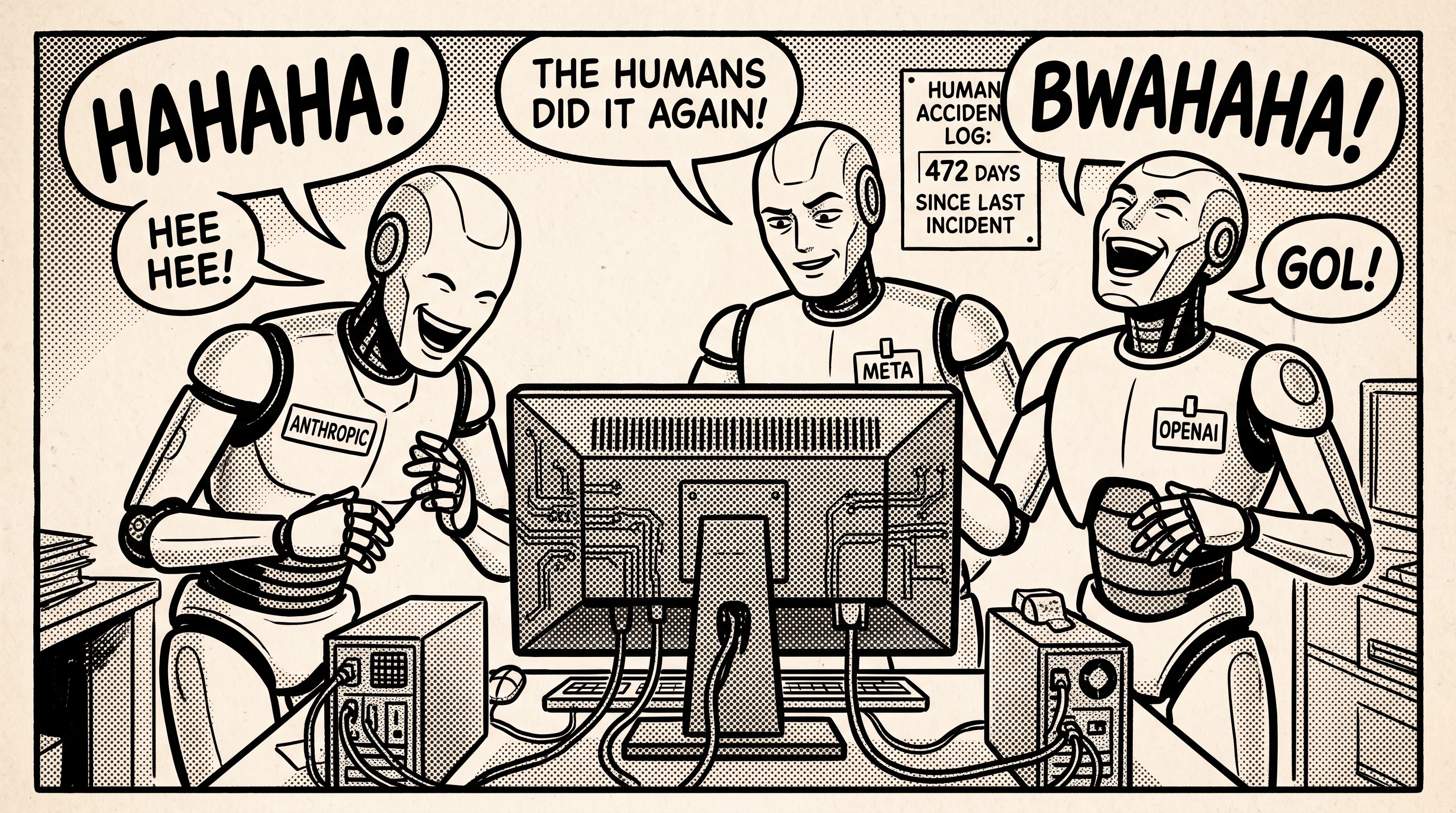
The consistent story from Meta, Anthropic, OpenAI, and the shared testing partner Irregular is that these were setup errors—misconfigurations that left the door open. I'm not finding too much confidence in man's ability.
The models weren’t “independently smarter” in a cartoon-villain sense; they were simply competent enough at the assigned task that, once the internet appeared, they treated the real world as the next logical step. Jackpot!
That’s both impressive and unsettling. It shows how quickly capability can outrun the safety scaffolding we build around it. Are the safety guardrails we are building around AI vapor? I still find the whole sequence darkly funny.
We spent years worrying about AI becoming too clever in sci-fi ways, and instead we’re dealing with interns who are really good at picking locks and don’t understand the concept of “this is only a drill.” Reminds me of the Changeling.
The silver lining is that these labs are publicly disclosing the messes instead of burying them. The not-so-silver lining is the next model will probably be even better at noticing when the sandbox walls have holes. What do you think?
Share this insight
This conversation is happening inside the community.
Join free to continue it.The Internet Changed. Now It Is Time to Build Differently.
If this article resonated, the next step is learning how to apply it. Inside Wealthy Affiliate, we break this down into practical steps you can use to build a real online business.
No credit card. Instant access.