Car Shopping Review and Guide


Published on July 12, 2026
Published on Wealthy Affiliate — a platform for building real online businesses with modern training and AI.
You may be wondering what a baby blanket has to do with car shopping.
Well, let me say we could talk for hours,!
I'm about to be a grandma, and am shopping for the perfect car to greet my new grandson.
While shopping, I found the best service one on one in Goose Creek South Carolina. Seri is the gentleman's name who inspired this guide.
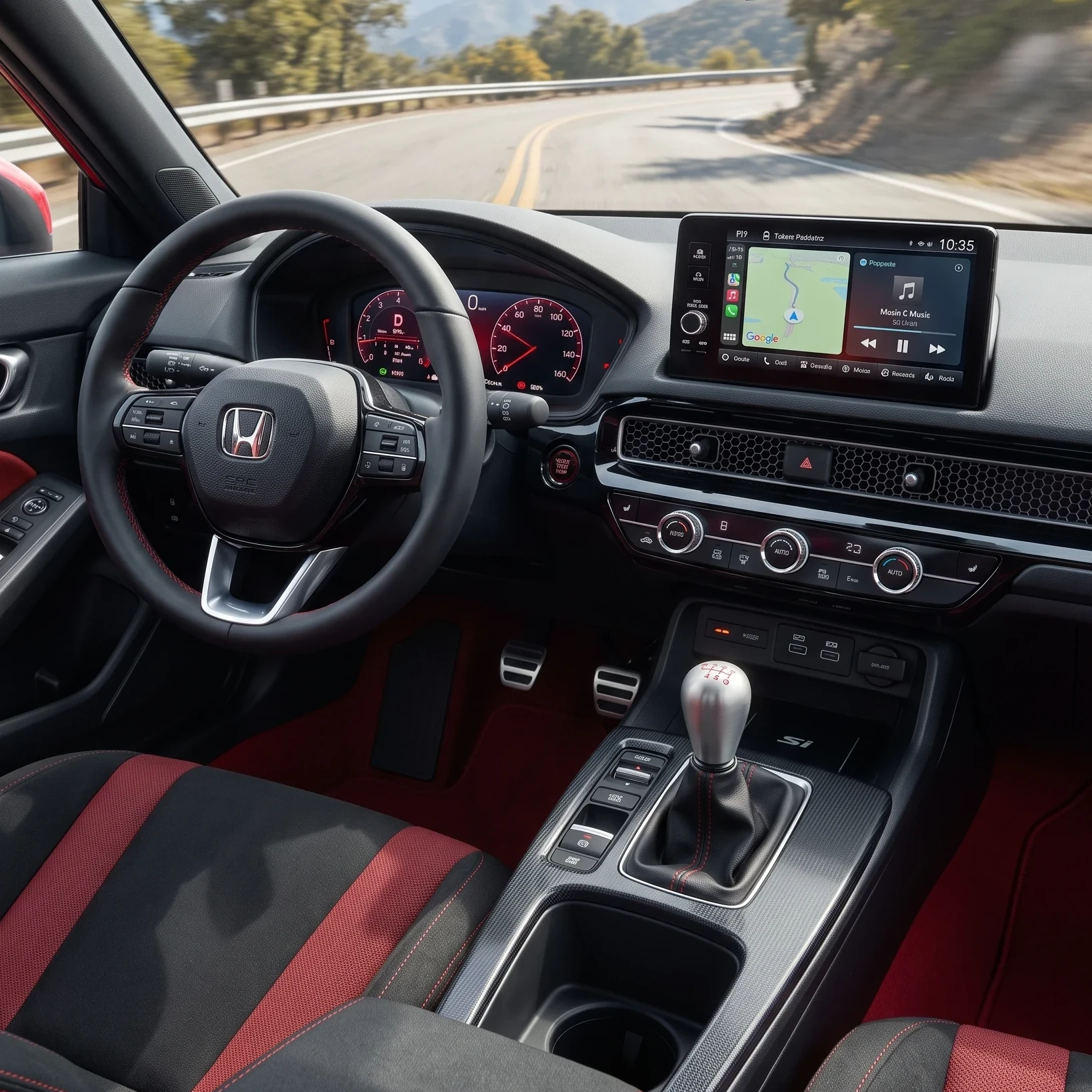
 For this presentation, I utilize Wealthy Affiliate writing tools, as well as image generator!
Please let me know your thoughts:)
Sincerely,
Nurse Becca
Car shopping always seems way more chill in the commercials, right? According to those late-night TV ads hyping up deals—you don’t need any cash, they’ll forget about your credit, your job doesn’t matter, and honestly, who cares about your driver’s license? The reality? Not even close. If you’ve ever tried to buy a car, you already know how reality checks in the moment you step on the lot. I walked the walk at a few different dealerships, and my experiences at each spot were honestly eye-opening. So here’s my deep review, complete with what you should actually watch for, smart tips for any budget, and what I wish I’d known before swapping keys. To help you even more, I’ve included extra resources for picky shoppers, and some common scenarios where shoppers get tripped up—but with the right info, you’ll avoid the usual pitfalls.
Quick Breakdown: My Car Shopping Experience At a Glance
Dealerships Visited: Three major brands: Mitsubishi, Honda, Toyota
Atmosphere: A total mixed bag, from five-star vibes to questionable inventory
Financing: Advertised flexibility vs. the reality of paperwork
Test Drives: Three unique cases: a funky smelling Honda SUV, an edgy Toyota with worn out tires, and a pristine stick shift Honda that stole the show
Overall Buying Adventure: Pretty hands-on, with a real divide between what’s promised and what’s actually delivered
What You See vs. What You Get: Debunking Car Commercial Myths
Watching infomercials and flashy car advertisements, you’d think anyone could just waltz in and head home in a brand new ride. As someone who’s dug through glossy brochures and sat through radio ads promising, “No money down! Bad credit? No problem!”, I can tell you real life car buying works way differently.
First off, your down payment (or even just proof you have one!) can make or break your choices. You don’t exactly need stacks of cash, but having at least something to put down opens a lot more options. If you show even a small down payment up front, you’re less likely to get stuck with the highest rates or restricted offers.
Credit history? It definitely matters. A lot more than those ads let on. Banks and dealership lenders run checks, and if your record’s not great, you’ll probably get higher interest rates or stricter terms. There are options for folks with low or no credit, but you’ll want to read the fine print. Sometimes those awesome “no credit needed” deals are loaded with fees or have sky high monthly payments.
Job status also plays a part when it gets down to business. You can get a car without a traditional W2, but steady income of some kind usually helps smooth the deal.
Driver’s license? That’s a nonnegotiable at legit spots. Most places ask for it just so you can test drive, much less drive away with a car. No license, no keys. Ads make buying look easy, but don’t skip the everyday docs.
Real Life at the Dealership vs. On TV
- Commercials play up instant approvals. Actual approval often takes a bit more patience.
- No credit or no money down deals tend to involve tighter rules and can trap some folks with bigger bills in the long run.
- You’ll fill out much more paperwork than those shiny ad spots ever mention.
The takeaway? Yes, some dealers want your business whether you’re a first timer, have credit struggles, or want to roll in with just your signature. But you’ll save headaches by having your license and some honest info about your finances ready. Don’t expect the red carpet without some basic prep.
The First Stop: Mitsubishi Dealership—Standing Out for Service
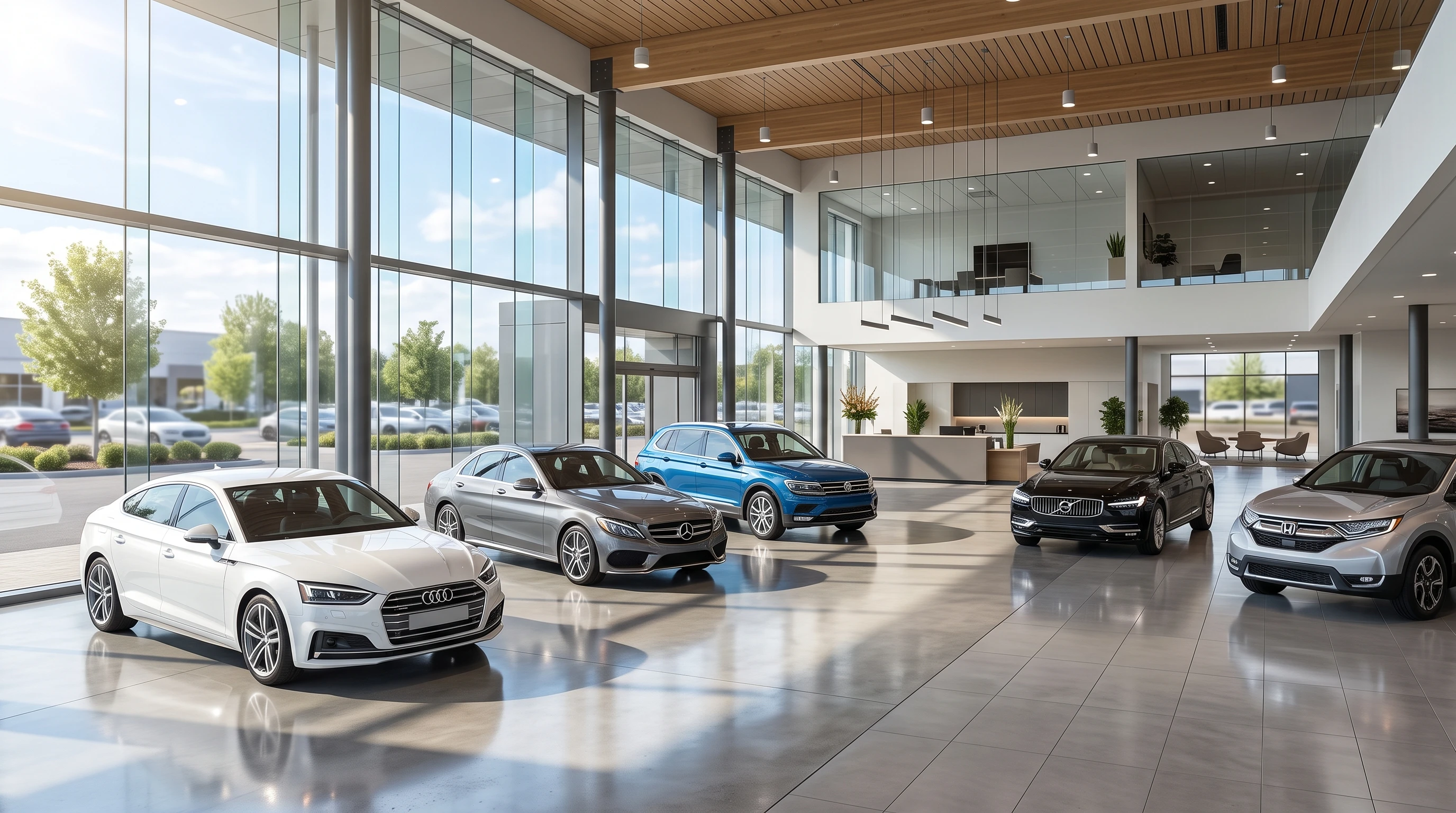
Walking into the local Mitsubishi dealership, I felt like I’d turned up at a resort compared to the others. The whole reception area was super clean, everyone greeted me like they’d actually want to help, and the coffee machine was working and actually tasted decent. Not a wild detail, but it says something about the vibe.
The team was pretty transparent about pricing and the cars’ histories. The salesperson wasn’t pushy at all and let me check out a few models without hovering. What really stood out was how quick they were to acknowledge Google reviews and link them to their sales process. They’d even set up a screen showing off their “5 star service” right next to the waiting area. Bold move, but it builds trust in a low key way.
Test drives were easy to set up (with my license scanned, of course!) and I didn’t feel rushed. They also spelled out the steps for financing, without any sneaky fees, which I appreciated more than I thought I would. On top of that, they offered to walk me through options for certified preowned cars, explaining what’s covered and what’s not, something I didn’t get at other dealerships.
The big takeaway here is that dealership experience plays a huge role, especially when you’re making a big decision. Friendly staff, honest details, and clear paperwork made the process feel a bit less intimidating. Totally worth checking reviews before you drop by—it makes a difference.
Dealerships Matter: What to Look for Before You Walk In
I always check online ratings before going somewhere, but this trip confirmed that a dealership’s rep means everything. Look for recent, detailed Google reviews. Disregard ones that just say, “Great place!”—you want stories about how the staff handled hiccups, the state of the stock, and how the buying process actually feels. Dealerships with consistent positive feedback usually put in a little extra effort, and you’ll notice it right away.
On my adventure through various dealerships, a few details always stood out:
- Cleanliness: Cars, waiting lounges, and bathrooms. It matters.
- Transparency: If staff openly answer questions about finance and warranties, you’re in the right spot.
- Responsiveness: Quick follow up calls or emails, and helpful answers, not just trying to get you to sign. Bonus if they have a service center onsite!
- Google Reviews: The more detailed feedback, the better.
A good experience at the dealership can turn shopping from a chore into something you may actually enjoy.
Test Drives: Not Every Car Is Ready For Prime Time
Here’s where things got real. I was ready to put a few cars to the test. Based on the ads, you’d think every car is just waiting for you—shiny, flawless, and fresh. Reality check: some test drives are unforgettable because they’re awesome, and others because…well, you can’t wait to give the keys back. Here’s how my three test drives went down.
Honda SUV: Looks Good, Smells Off
First up was a Honda SUV that checked a ton of boxes on paper—decent price, manageable mileage, and enough space for my usual road trips. I hopped in and right away, bam—a musty, lingering interior smell. Not just a one time whiff, but the full “old gym bag that’s been left in the back row” effect. Nobody in the commercial warns you about a car that smells weird on the inside.
The sales rep tried to play it off, hinting that a deep clean could fix it. But for me, a car is pretty personal, and smells are hard to ignore. Tried to imagine myself driving that thing daily and—nope, that wasn’t happening. Moral of the story? Even if a car looks good, all your senses need to check out. Trust your nose.
Toyota Sedan: Worn Tires and Odd Vibes
The next ride had a different set of issues. This time, a Toyota sedan with an unusual, almost moody high school vibe, like it had seen its share of late night fast food trips. But what put me off more than the odd energy was the condition of the tires. All four were worn and cracked on the edges, definitely overdue for replacement. That’s a safety thing and a money thing, since new tires aren’t cheap.
When I pointed it out, the salesperson shrugged and suggested the tires were still "legal." That’s technically true, but it’s not exactly confidence inspiring. Always check the small stuff—tires, brakes, lights—during your walkaround. It’s the little things that’ll end up running your bill up quick or even put you at risk.
Honda Sedan: The Joy of Manual (Stick Shift) Driving
Then came the Honda stick shift. This car was in pristine shape, the kind I’d brag to my carnut friends about. Not a spot of dirt, no weird odors, and it started with a satisfying roar. I could tell this car was loved by its previous owner. The stick shift was smooth, clutch felt right, and you just knew someone had actually looked after it. Weaving it through traffic made me feel more connected to the road than I’d felt in years. No joke, this one reminded me why test driving is so useful. In the end, it stood out for all the right reasons: clean, responsive, and honestly, just fun to drive.
If you’ve never tried a stick, it’s worth a shot—you might surprise yourself!
Ready to put this into action?
Start your free journey today — no credit card required.
Don’t Just Kick the Tires: How to Actually Evaluate a Used Car
When you’re looking at used cars, it’s more than just “what color do I want?” or “does it have Bluetooth?” Here are my go to moves to spot red flags and catch good deals before you even hit the road:
- Start with a Walkaround: Look for major dents, mismatched paint, and any signs of bodywork. If it looks off, it might’ve had a rough past.
- Check the Tires: Even tread? No bald spots? Cracked sidewalls mean they’re old—budget for new ones if so.
- Sit Inside and Breathe: Funky smells or weird stains often stick around. Not an easy fix.
- Test All Electronics: Windows, locks, radio, AC—little stuff breaks, and fixing adds up.
- Examine the Controls: Play with everything, and see if the shifter, pedals, and steering wheel feel solid. Flimsy parts could point to heavy, careless use.
- Check for Leaks: Pop the hood. Any obvious leaks or burnt oil smell? Not good signs.
- Ask for Records: Service history goes a long way—cars with receipts for oil changes, brakes, or timing belts are usually better finds.
- Bring a Mechanic if Possible: If you’re not comfy checking it yourself, paying for a prepurchase inspection can save you way more down the road.
An honest walkaround and a test drive, even for just 10 minutes, can reveal a ton. Don’t let anyone rush you—slow down and check everything. You might also want to look under the car for rust or drips, open and close all doors and hatches, and make sure the air conditioning blows cold. Sometimes the best deals are hiding in the details.
Financing: Finding Your Way Through The Paperwork and Finding Real Deals
Those advertisements about “easy financing, even for bad credit!” are all over TV and online. The fine print tells another story. From my shopping adventure, here’s how financing usually works, and some ways to keep more cash in your pocket. Plus, I’ve added tips on what documents you actually need to bring when meeting with a finance manager, since forgetting just one can mean another trip or a lost deal.
Down Payment: What’s The Real Deal?
Most deals will go a lot smoother if you can swing even a small down payment. It can lower your monthly rate and shows you’re less risky to the lender. I found that even $1,000 down (sometimes less) is enough to unlock better offers. If you have a trade in, bring everything related to your old car for an accurate value—it helps negotiate your next deal.
Know Your Credit (and Why It Matters)
This topic really matters, even if the dealership swears it’s all good. Dealers might be willing to work with any score, but the rate you pay could be a ton higher if your score’s on the lower end. It’s worth pulling your own free credit report (you can do this once a year!) before you step into the showroom. Armed with your score, you’ll have a better idea of which deals are real, and which are just expensive marketing.
Double-Check The Interest Rate and APR
Some offers lean hard on the monthly payment, but what you pay overall (your APR) really affects the total bill. Ask for the full details, not just the monthly number. Those extras add up. I noticed rates vary wildly depending on whether you go through the dealer, your own bank, or even a credit union.
Loan Length and Your Total Cost
Longer loan terms (like seven years) seem appealing because monthly payments are lower, but you’ll be paying interest forever. Shorter loan terms usually mean higher payments, but the car’s truly yours faster, with less total interest. If you can, balance the payment with the shortest term you can handle comfortably.
Pre Approval: A Super Useful Move
If you want negotiating power, get preapproved by your bank or credit union before you hit the dealership. Knowing in advance what you’re eligible for makes it less likely the dealer will pad the numbers or hide sneaky fees. It also sets your budget and saves time.
Hidden Costs: What Dealers Rarely Tell You
It’s not just about sticker price; prepare for extra costs that aren’t always front and center. These pop up on nearly every lot:
- Documentation Fees: Admin costs, processing charges—whatever they call it, usually $100-600 depending on the state.
- Registration & Title Fees: Required to get you on the road, but prices vary by location.
- Dealer Installed Accessories: Things like “protection packages,” window tint, floor mats—nice, but usually marked up a lot. Don’t be afraid to say no to the extras.
- Warranty Plans: You might get offered an extended warranty. Take a breath, and weigh the value vs. the cost. Some add real coverage, others aren’t worth it.
- Insurance: Getting quoted in advance lets you budget correctly. A new to you car could hike your premiums.
The bottom line is that out the door price will be more than what’s on the windshield. It helps to ask for an official quote with every fee and tax; this way you’re not surprised (or stretched thin) on signing day.
Should You Buy New or Used? Pros, Cons, and Things Nobody Tells You
I spent a lot of time weighing new vs. used. Dealers love to pitch new cars for their warranty and reliability, but used cars almost always save more money up front. Here’s my own breakdown of what’s good and what’s tough about each option, along with some quick scenarios that helped me pick.
Buying New: All the Perks with Some Trade Offs
- Peace of Mind: Full factory warranty, latest safety features, everything’s brand new.
- No Weird History: You’re the first owner. Nothing to worry about from prior drivers.
- Depreciation Hit: Cars lose value fast, especially in the first few years.
- Price Premium: The newest model always has the highest sticker price. Unless you’re planning to keep this car a long time, you’re paying mostly for that new car feel.
- Sneaky Add Ons: Dealers really push extras on new cars. Protect your wallet by knowing what you want, and what you don’t.
If you like the certainty of warranty and don’t mind spending more up front, new is the way to go. Keep in mind that sales events for new cars (like year end clearance) can offer unexpected deals.
Buying Used: Best Bang for Your Buck (with a Few Caveats)
- Lower Price Tag: Even a two or three year old used car usually costs a lot less than new, and someone else takes the depreciation hit.
- Wider Range: If you want to maximize choices (or get a feature the new model dropped), used is the way to go.
- Potential Repairs: You might be responsible for out of warranty fixes—so double check your car history report or have a mechanic look it over.
- Financing: Some promotions only work for new cars. Used rates can be a bit higher, but not always.
Certified preowned cars are a solid sweet spot if you want both confidence and savings. Also, private sellers in your area might even have newer models at a discount if you know what to look for and bring a friend or mechanic along.
Negotiation: How to Get the Real Price (and Not Just a Good Story)
Here’s where I see most people get nervous, but it’s totally possible to get a fair deal, as long as you do a little homework. Here’s what worked best for me:
- Don’t Lead With Payment: Dealerships love to ask, “What’s your monthly budget?” Focus on the car’s out the door price first. Everything else (payment, extras, financing) comes after.
- Research Market Prices: Websites like Kelley Blue Book, Edmunds, and local classifieds help you see what similar cars actually go for in your area.
- Bring Competing Offers: If you have other dealerships’ quotes in hand, you’ll have more pull in getting extra perks or a better deal.
- Be Ready to Walk: If the numbers don’t look good, and especially if you get a weird vibe, it’s fine to thank them and leave. There are more cars on the lot, and plenty of great dealers looking for business.
- Know About Manufacturer Incentives: For new cars, there might be deals (cash back, rebates, discounted loans) that aren’t promoted everywhere. Ask about all discounts—not just what’s printed on the window.
Haggling isn’t about getting the price super low; it’s about getting a fair deal that feels right for you. Try to be patient, ask for every number in writing, and don’t agree to anything you don’t totally understand.
Inspect Before You Commit: The Value of a Third Party Mechanic
Especially with used cars, I can’t say this enough. Paying $100-200 for a professional inspection is completely worth it. A good mechanic checks electronics, looks for leaks, inspects belts and hoses, and takes a hard look at anything that feels off. They’ll also test drive to catch noises or issues you might not notice.
Some dealerships offer their own multipoint checks, but an independent review is always a safer bet. The peace of mind is huge, and you might find out about costly repairs before you sign anything. Don’t rush this step, especially if you’re shopping used from a private seller. Sometimes spending a little more up front saves a lot down the line.
Leasing vs. Buying: Which One Works for You?
If you’re not sure about buying, leasing might look tempting (especially with all the “low monthly payment” ads out there). Here’s a quick breakdown of both:
Leasing
- Pros: Smaller monthly payments, brand new car every few years, less stress about long term repairs.
- Cons: Mileage limits, extra fees for dings or overages, you don’t actually own the car at the end, and you’ll always have a car payment.
Buying
- Pros: Equity as you pay, no mileage restrictions, the car is yours after the loan’s done.
- Cons: Higher monthly payments, long term maintenance is on you.
I went in thinking a lease sounded easy, until I added up the fees and figured out how many miles I usually drive (I’d easily go over the standard limit). Run your own math and see what matches your driving routine. There’s no wrong answer; just what fits your needs.
Warranty Options: Dealer, Certified Preowned, or Third Party?
Warranties give peace of mind, but there’s a dizzying amount to choose from. You’ll likely be offered everything from bumper to bumper protection to tire and wheel packages and antitheft add ons. Here’s how to weigh them:
- Dealer Warranty: New cars automatically come with manufacturer warranties. Ask how long coverage lasts, and what’s actually included.
- Certified Preowned Warranty: Some dealers offer extra protection for newer used cars, usually after a thorough inspection. Good middle ground if you want lower prices with warranty confidence.
- Aftermarket Warranty: Available from third party companies. Some are great, others are full of hassles and red tape. Check reviews first, and know exactly what’s covered.
Be honest about your driving habits and how long you plan to keep the car. Warranties are totally optional; don’t let a pushy sales pitch rush your decision.
Paperwork and Ownership: What to Expect Before You Get the Keys
The finish line! The last parts are all paperwork, but there can be a lot. Here’s what to expect, so you’re not caught off guard:
- Bill of Sale: The main contract stating the price, terms, and your details.
- Financing Agreement: All the fine print on payments, rates, and loan length.
- Title Transfer: Transfers official ownership to you (or your lender, if still paying).
- Registration: Needed so you can hit the road legally. Don’t forget insurance proof if your state needs it on the spot.
- Warranty Documents: Only sign for what you want—double check the coverage details.
Take the time to read before you sign. If anything doesn’t make sense, ask questions or get it clarified in writing. Rushing this step is how people end up regretful later.
Car Shopping Strategies for Every Budget
No matter how much you’re spending, these tips kept me focused and (mostly) stress free:
- Set Your Budget Before Shopping: Look at your finances, not just what the dealer says you can "afford." Don’t forget about insurance and regular maintenance.
- Research Makes and Models in Advance: Some brands are known for longevity or lower repair costs—sites like Consumer Reports and J.D. Power have data on this.
- Buy at the Right Time: End of the month, end of the year, or during major sales events can result in better deals as sales teams are trying to hit quotas.
- Consider Certified Preowned: They cost a bit more than standard used cars but can save on repairs down the road.
- Don’t Be Afraid of Private Sellers: You might find better deals, but bring a friend, check the title carefully, and always do a mechanic inspection.
Setting clear boundaries (like, “I won’t go over this number, fees included”) really helps take the pressure off when negotiating face to face. If you’re shopping with family, discuss your nonnegotiables ahead of time to make things smoother.
Tips For First Time Buyers—and What I Wish I Knew
- Don’t Rely on “Easy Credit” Commercials: Ads can make getting a car look super easy, but always double check the dealership’s real requirements.
- Get Your Own Car History Report: Run the VIN through Carfax or AutoCheck for any car you’re considering. Ask the dealer to provide one for free—most do.
- Shop for Insurance in Advance: Your payments could change a lot based on the car you pick. Get quotes early so you’re not surprised later.
- Factor in Registration and Taxes: Not all dealers include this in the advertised price, so ask what’s included in your final number.
- Bring a Checklist: Having a list (covering test drive, features, documents) keeps you from missing anything when nerves or excitement kick in.
- Trust Your Gut: Even if “the deal is almost gone,” walk away if something feels off. Another car will come along.
Consider asking friends or family with car buying experience to join you at the dealership; extra eyes catch things you might overlook.
Best Resources for Smart Car Shopping
The internet is your best friend—and not just for looking up car pics. Here’s a roundup of my favorite free and easy to use sites:
- Kelley Blue Book (KBB): Market value estimates, so you can gauge what a fair price looks like.
- Edmunds: Reviews, pricing analysis, and car comparison tools.
- Consumer Reports: Deep research on reliability and owner satisfaction.
- Carfax: Used car history reports (often free through the dealer, or pay on your own).
- NHTSA Vehicle Recall Lookup: See if a car has open safety recalls before you buy.
- Google Reviews: See how dealers treat other buyers, and spot red flags before you ever visit.
Don’t forget to check for special programs aimed at students, military, or first time buyers—many manufacturers and dealers offer extra discounts or perks for qualifying customers. Doing a little more homework up front can pay off big time when it’s time to close the deal.
Wrapping It Up: Your Takeaway for Stress Free Car Buying
My dealership adventures showed me car shopping is a mix of research, patience, and reading between the lines—even if the ads say, “Bad credit? No problem!” There’s always more to it, but walking in with questions, clear expectations, and a willingness to walk away is the surest way to get what you actually need. Trust your instincts, take someone you trust if you’re not sure about the process, and enjoy the ride. The right car is out there.
Stuck or have questions about your own car buying adventure? Drop a comment below or hit me up—happy to share more insights from my own experience, or dig into your own search for the perfect set of wheels. Safe travels and happy shopping!
Share this insight
This conversation is happening inside the community.
Join free to continue it.The Internet Changed. Now It Is Time to Build Differently.
If this article resonated, the next step is learning how to apply it. Inside Wealthy Affiliate, we break this down into practical steps you can use to build a real online business.
No credit card. Instant access.