What Is A Life After Death Experience


Published on September 27, 2025
Published on Wealthy Affiliate — a platform for building real online businesses with modern training and AI.
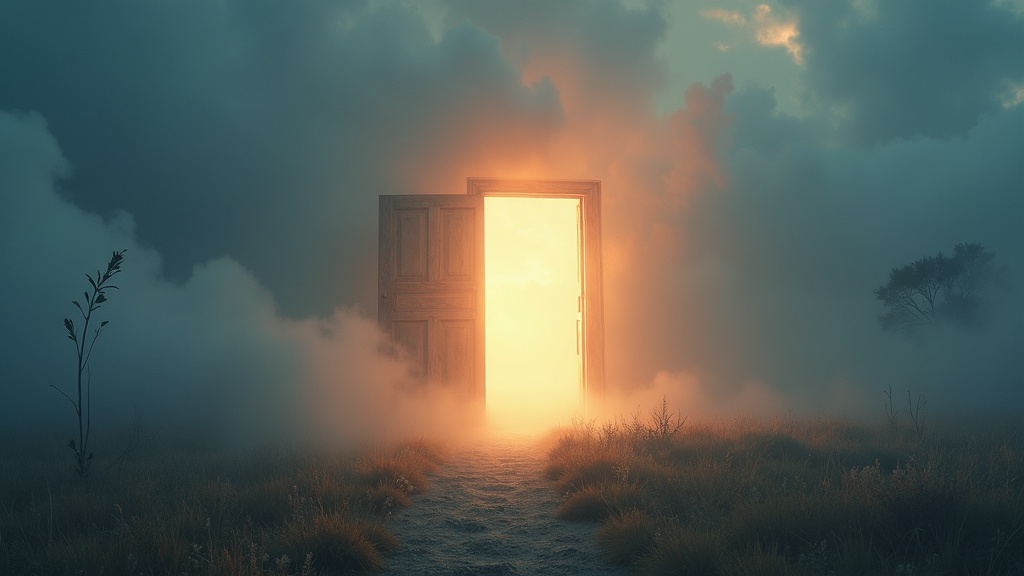
Life after death or near death experiences have fascinated people across the globe for centuries. Even if you’ve never had one yourself, stories of others describing vivid scenes, floating sensations, or reuniting with loved ones on the “other side” can be really captivating. Whether you’re deeply curious, a little skeptical, or somewhere in between, it’s a topic that sparks big questions about what it means to be alive, and what might come after.
What Does “Life After Death Experience” Really Mean?
A life after death experience often refers to events reported by people who have been very close to dying, or even pronounced clinically dead, before coming back to life or being resuscitated. These aren’t just ordinary dreams or daydreams; people describe them as feeling super real and meaningful. Usually, it’s something that leaves a lasting impression, sometimes changing the way people view their lives purely by how intense it feels.
If you search around, you’ll see that the terms “neardeath experience” (NDE) and “life after death experience” get used a lot. They overlap in meaning, but aren’t always identical. Generally, an NDE is the scientific or medical phrase for what people go through during a brush with death, but many interpret these events as brief glimpses into what happens when physical life stops. Some religious and spiritual writers use “life after death experience” to talk about messages, visions, or feelings people get that seem to come from another realm after someone dies.
Core Features of Life After Death Experiences
Most of what we know about life after death experiences comes from thousands of personal stories. Everyone’s experience is unique, but some common features show up again and again:
- Outofbody sensations: Many people report floating above their body, looking down on doctors, relatives, or their own physical form from someplace outside themselves.
- Moving through a tunnel: A feeling of traveling rapidly through a dark tunnel toward a bright, welcoming light is one of the most recognized details.
- Unusual peace and calm: Even during a medical emergency, people often say they felt very serene or protected, as if their pain or distress suddenly stopped.
- Meeting deceased loved ones or beings of light: Some describe seeing relatives who have passed away, or encountering figures that radiate warmth and comfort.
- Life review: There are plenty of accounts of people suddenly recalling big moments or small details from their lives, almost like a movie playing out in fast forward.
- Being told it’s “not your time”: It’s common for people to sense, hear, or “know” that they’re supposed to return to their body and continue living.
Each person’s story is their own, but the consistency among these elements makes researchers and spiritual seekers pretty curious about what they might mean.
Meaning and Theories Around Life After Death
Wondering what these accounts actually mean is something people have wrestled with for ages. Here are some ways different traditions and thinkers approach the question:
- Religious and Spiritual Views: Many religions, like Christianity, Buddhism, Islam, and Hinduism, have long taught that life continues in some form after death. Some describe heaven, reincarnation, or other spiritual realms. Personal stories from life after death experiences often line up with these beliefs, bringing people a sense of hope or reassurance.
- Scientific and Skeptical Approaches: Some scientists think life after death experiences might be caused by the brain’s chemical changes when it’s low on oxygen or under severe stress. For them, these events are real to the person but not proof of another realm. Others feel it could be a survival mechanism, or the brain trying to comfort itself.
- Psychological Perspectives: There’s also a belief that these experiences can help people cope with trauma, grief, or fear of dying. Even if you see them as a kind of psychological “reset,” they can deeply change how someone views their own mortality.
These different perspectives cover a lot of ground. No matter the explanation you lean toward, these experiences usually leave people with deep questions about what matters most in life, and what might come next. Interestingly, recent discussions have also mentioned crosscultural similarities, suggesting that certain features of these experiences might be nearly universal. That gets people thinking about whether these are wired into our brains or hint at something collective or spiritual beyond individual psychology.
What Do People See During Neardeath Experiences?
Ready to put this into action?
Start your free journey today — no credit card required.
Neardeath experiences offer the most common backdrop for life after death stories. If you ask people who’ve described one of these, you’ll hear about:
- Unbelievably real environments: Landscapes or worlds that feel clearer and more vivid than waking life, like bright meadows, beautiful gardens, or endless skies.
- The classic tunnel and light: The famous tunnel with a shining light at the end is described across cultures.
- Reunions and important messages: Encounters with loved ones or encounters with wise, comforting figures, such as guides, or our heavenly father, that give advice, encouragement, or sometimes even a gentle nudge to return to life.
- Heights and journeys: The feeling of flying, floating, or being “carried” somewhere peaceful is very common.
These visions often feel more convincing than dreams or memories from waking life. Many people report the colors, sounds, and feelings as well beyond what they’ve ever felt before. Some mention words or insights that stick with them for years—even changing their life’s direction, relationships, or spiritual beliefs. These core details crop up whether someone lives in the U.S., India, or any other parts of the world, showing just how universal some aspects of these stories can be.
Do We Continue to Another Realm After Physical Life?
One of the biggest debates is whether a life after death experience actually proves someone travels to a new realm after dying. It’s a massive question that gets lots of thoughtful, spirited responses.
Spiritual teachers and religious leaders often see these reports as a peek behind the curtain, or like a teaser for whatever comes after. You’ll hear lots of stories where people feel a deep sense that their soul, energy, or consciousness keeps going, even if the details get fuzzy. For those who are religious, this matches what’s been passed down through teachings and sacred texts.
On the other hand, researchers and nonreligious folks look at the evidence and point out that the brain can do weird things under extreme stress, like lack of oxygen, anesthesia, or trauma. They say there’s no solid way to prove someone actually “went somewhere else,” since what they describe could be created inside their own mind. Some neurologists, like Dr. Kevin Nelson, argue that similar sensations, like seeing tunnels or feeling at peace, happen in people with fainting spells, too.
It’s pretty clear that there isn’t agreement on what these experiences “mean,” but it’s also obvious that they leave a real mark on people who have them. Many people say they find comfort when thinking about the possibility of living on, while others are content seeing it as their brain’s response to stress. Either way, it encourages a lot of conversations about life’s mysteries.
Is There Any Proof of an Afterlife?
Evidence for or against an afterlife is one of those topics where it really depends who you ask. Here’s a breakdown of the kinds of “proof” debated most often:
- Personal accounts: There are thousands of firsthand reports. These are moving and sometimes have similarities across people who’ve never met. That said, stories alone can’t be independently verified by scientists.
- Medical cases: Some research has looked at cardiac arrest patients who’ve been revived and have specific memories about their experience. Occasionally, these patients recount things happening in the room that they logically “shouldn’t” have known, which is pretty thoughtprovoking for some researchers. For details, check out research by Dr. Sam Parnia at NYU’s Langone Medical Center.
- Brain activity studies: Modern scans haven’t found evidence that a person’s consciousness leaves their body, but the science of what consciousness actually is remains pretty fuzzy.
So far, there are plenty of personal stories and patterns that keep people curious, but nothing most scientists would call “conclusive proof.” Still, the comfort and motivation these experiences offer shouldn’t be dismissed either. The debate is far from over; as scientific tools get better, more research may help us dig into the mysterious line between life and death.
Why Life After Death Experiences Matter
Regardless of where you land on the question of proof, these experiences have some big impacts on the people who report them, and even on those who just hear about them.
- Reduced fear of dying: Many people say they’re less afraid of death or dying after a life after death experience, even when faced with another health scare.
- Stronger focus on kindness and purpose: People sometimes become more interested in helping others, making better choices, or living in the moment.
- Healing after grief: Stories of seeing or feeling loved ones who’ve died can bring comfort after loss, easing fears and offering hope.
The ripple effect of these stories goes well beyond the individual experience. They shape philosophies, inspire movies and books, and keep people hoping for answers about what comes next. Many support groups and online communities have sprung up in recent years, letting people share their stories and find others with similar experiences. This helps break down feelings of isolation and gives a sense of meaning to what might otherwise be a frightening memory.
Frequently Asked Questions About Life After Death Experiences
Are life after death experiences always positive?
Most people report feelings of peace or joy, but a small percentage describe fear, emptiness, or confusion. Not every experience feels comforting, though positive themes are the most common.
Can anyone have a life after death experience?
They happen across all ages, backgrounds, and belief systems. While many are reported during cardiac arrest or trauma, some people describe experiences during meditation, sleep, or serious illness.
If I have a life after death experience, was it “real”?
What feels “real” is unique to every individual. Whether it’s a product of the mind or a glimpse beyond, the effects can be lasting. For some, it changes their perspective or priorities, which is meaningful in itself.
Conclusion
Life after death experiences keep many people wondering, and searching for answers. Whether you view them as powerful brain events, spiritual adventures, or a little of both, there’s no denying the big influence they have on how we think about living, dying, and what may be waiting on the other side.
To view other interesting posts about life after death, feel free to visit my website at ndebeyond.com.
Share this insight
This conversation is happening inside the community.
Join free to continue it.The Internet Changed. Now It Is Time to Build Differently.
If this article resonated, the next step is learning how to apply it. Inside Wealthy Affiliate, we break this down into practical steps you can use to build a real online business.
No credit card. Instant access.