How to Use Jaaxy for Keyword Research in 2026 and Get Real Results


Published on January 18, 2026
Published on Wealthy Affiliate — a platform for building real online businesses with modern training and AI.

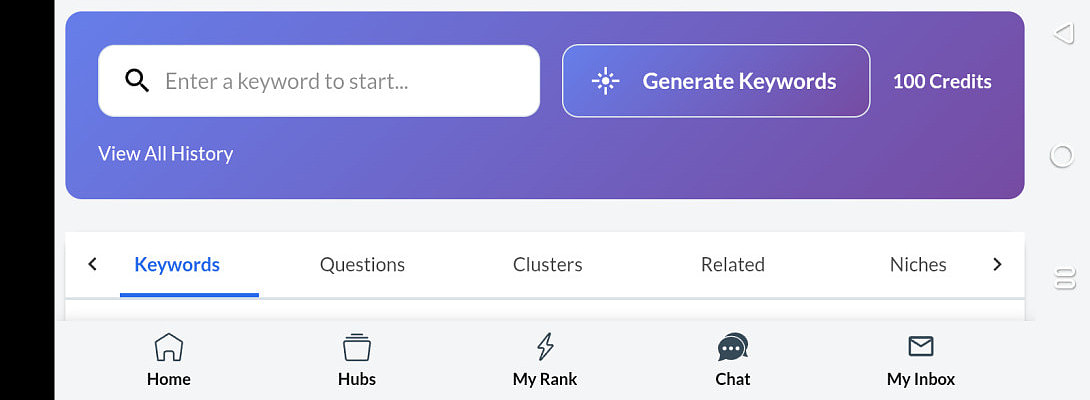
Learn how to use Jaaxy for keyword research in 2026. Discover how to read metrics, match search intent, use questions, clusters, and related keywords to create content that ranks and drives traffic.
Keyword research used to feel simple. Bloggers would type a phrase into a tool, check the numbers, write a post, and wait for traffic. That approach often worked, especially when search volume was high and competition was low. Today, search engines are much smarter, as they do more than count keywords. They look at whether a page fully answers a user’s question, evaluate clarity, depth, usefulness, and whether the content satisfies intent across the topic. Pages that include keywords but lack real insight rarely rank well. Content that does not meet user expectations can quickly fall in search results.
Google has confirmed this with its Helpful Content system and several core updates. Pages succeed because they genuinely serve the searcher’s purpose, not because a keyword appears in the title or body. Many bloggers still struggle because their content appears structured and contains keywords, yet it does not fully satisfy what users are looking for. Understanding how search behavior has changed and how tools like Jaaxy work is essential for anyone who wants content to be discovered, trusted, and ranked.
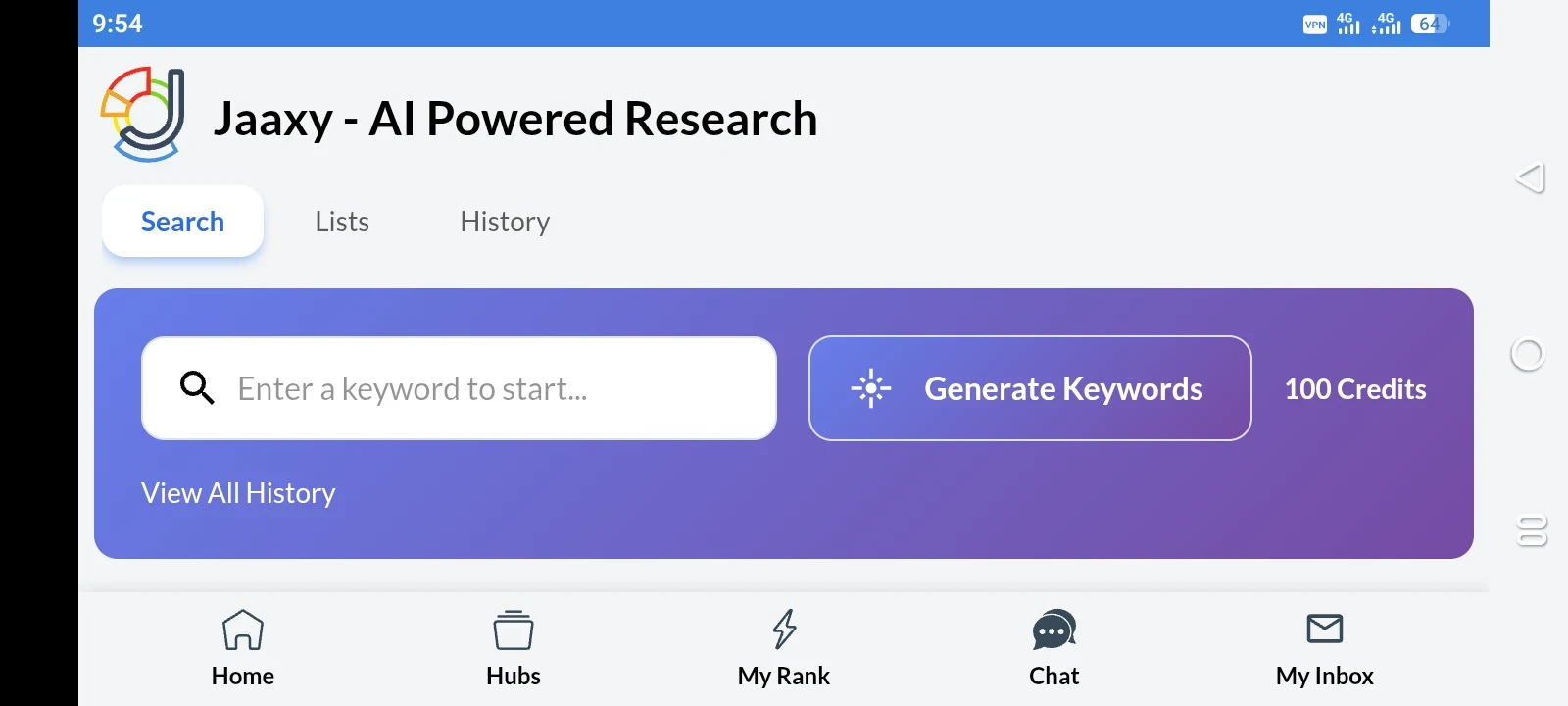
Modern Keyword Research and Why Metrics Matter
Keyword research today is not about chasing high search volume alone. Metrics matter only when interpreted correctly. According to Ahrefs, over 94% of all keywords get 10 searches per month or fewer. This shows that relying on search volume alone can be misleading. Meanwhile, SparkToro found that 58% of Google searches end without a click. Users often get answers directly on the search results page.
Backlinko analyzed 11 million Google search results and found that top-ranking pages rarely focus on a single keyword. Instead, these pages naturally cover hundreds of related terms and variations. They rank because they satisfy user intent across a topic, not because of a single keyword. Google itself emphasizes that pages rank for topics, not isolated keywords. Jaaxy’s current interface reflects this reality. Its tabs — Keywords, Questions, Clusters, Related, Niche, SEO, Social, PPC, and Intent — show how a topic behaves in search and which keywords are worth pursuing.
Semrush also confirms that keywords with moderate difficulty and clear intent tend to maintain stable rankings even after core updates. This demonstrates that chasing only high-volume keywords can backfire if intent and topic coverage are ignored. The goal now is to combine insight, intent, and coverage rather than chase arbitrary numbers.
Understanding the Keywords Tab and Its Figures
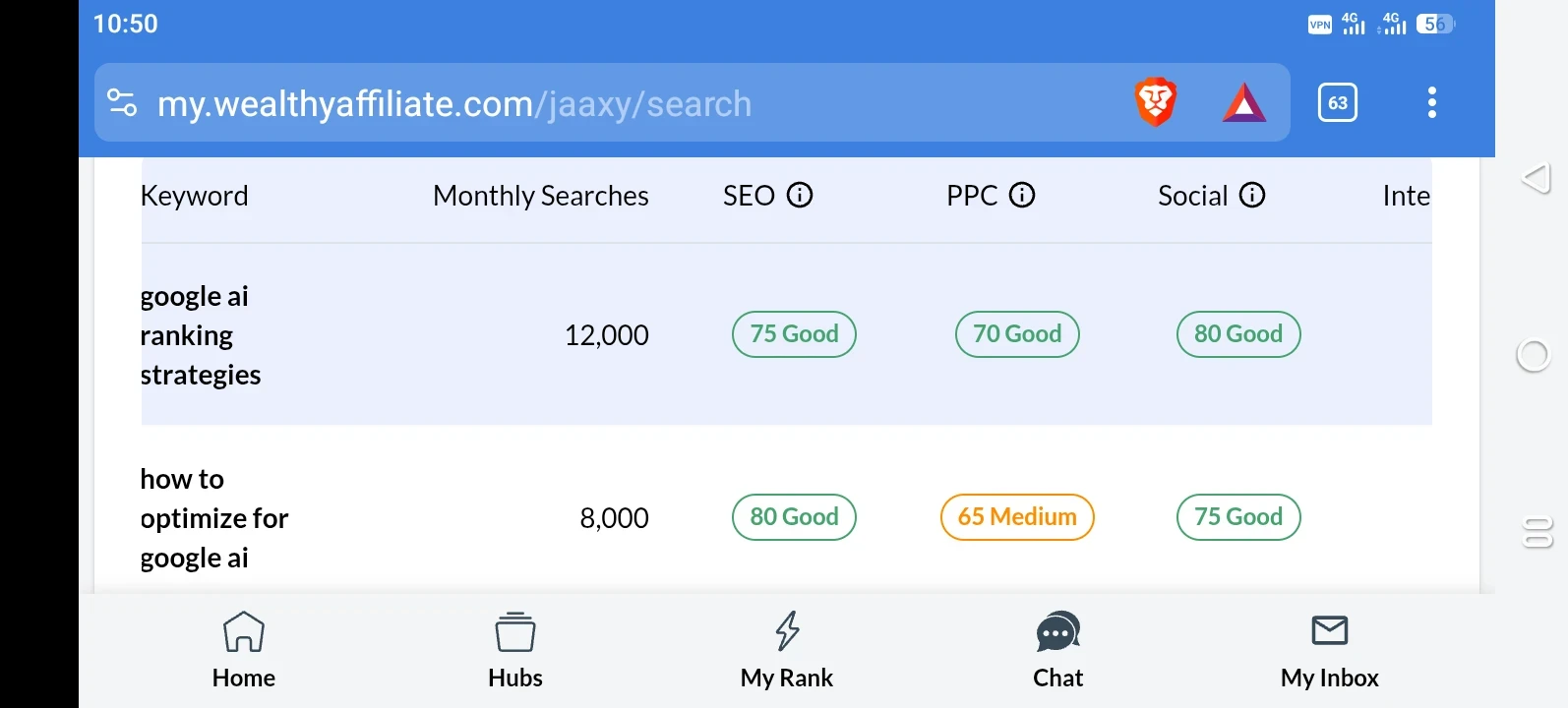
When you enter a keyword into Jaaxy, the Keywords tab shows terms closely tied to your topic. Each metric gives insight into the keyword’s potential and competitiveness.
Monthly Searches Shows Interest Not Guaranteed Traffic
Monthly Searches shows how often a keyword is searched per month on average. High numbers indicate interest, but low numbers can still perform well. Many high-ranking pages rely on long-tail keywords with modest search volume. Ahrefs reports that top-ranking pages often earn most of their traffic from long-tail and related searches rather than the main keyword alone.
A keyword with 300–500 searches can still perform very well if:
- The intent is clear
- The topic allows for depth
- Current search results are weak or outdated
SEO Score Shows Ranking Potential
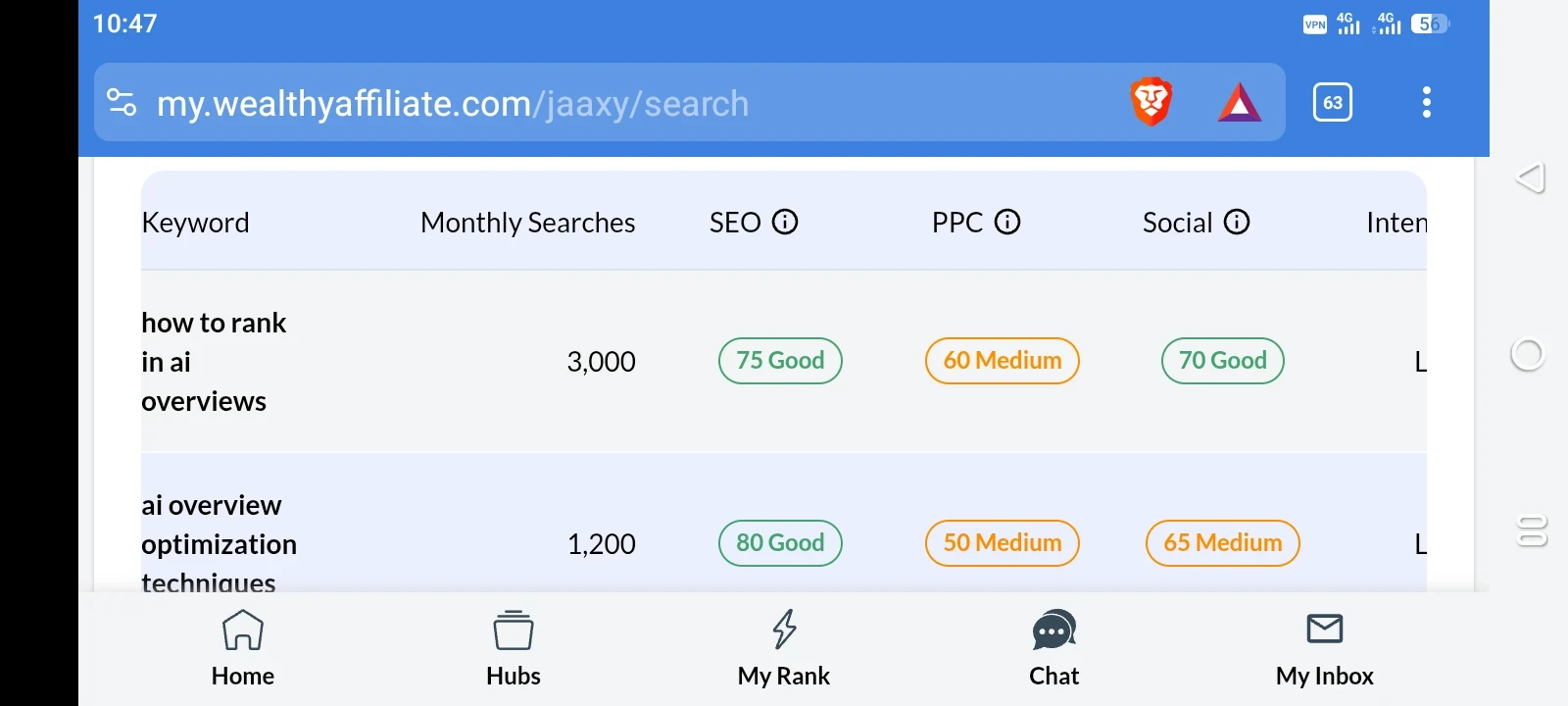
Jaaxy’s SEO score estimates how achievable it is to rank for a keyword in current search results. Scores in the 70 to 80 range usually offer the best balance. They are competitive enough to matter but still achievable with quality content.
Scores below 50 often indicate weak demand or unstable results. Scores above 90 usually require established domain authority to compete effectively. Semrush confirms that keywords with moderate difficulty and clear intent tend to hold rankings better than “easy” keywords with weak intent alignment.
PPC Score Shows Market Demand
The PPC score shows advertiser interest for a keyword. High PPC suggests commercial potential, while very low PPC indicates little advertiser competition. Knowing this helps identify topics with affiliate or product monetization potential.
Social Score Indicates Popularity and Engagement
The Social score measures how often a topic is shared online. High Social scores do not directly affect rankings. However, they provide insight into engagement potential and secondary traffic. Topics that generate discussion can drive visibility and authority outside search results.
Intent Determines Searcher Satisfaction
Ready to put this into action?
Start your free journey today — no credit card required.
Intent is the most important metric in modern SEO. Jaaxy labels keywords as Learn, Compare, or Buy:
- Learn means users want educational content
- Compare means users want to evaluate options or alternatives
- Buy means users are ready to take action
Matching content to intent is essential. Google rewards pages that satisfy user expectations. Pages that mismatch intent often drop after updates. Semrush studies show that intent alignment predicts ranking stability more reliably than search volume alone.
Understanding Questions and Related Keywords
The Questions Tab Shows What People Really Ask
More users now search with full questions instead of just keywords. Moz and AnswerThePublic data show that around 8-10% of searches are written as questions. These queries often appear in featured snippets, People Also Ask boxes, or AI-generated summaries.
By building your articles around these questions, Google can understand your content better. Readers also get clear answers. For instance, your article could cover questions like:
- What is AI search?
- How do AI search engines rank content?
- How can I optimize content for AI search results?
Writing your content this way aligns with user intent. Research by Brian Dean shows that pages with question-based headings are much more likely to earn featured snippets or appear in AI summaries, which helps boost visibility and traffic.
Related Keywords Expand Topic Coverage
Jaaxy’s Related tab lists terms closely connected to your main keyword. Including these keywords naturally helps your content cover the topic fully without repeating the main keyword. Google rewards pages that show topic understanding, not pages that just repeat keywords.
Data from Ahrefs confirms that high-ranking pages often rank for terms the author did not target, simply because related keywords appear naturally. For example, if your main keyword is “affiliate marketing,” related keywords might include:
- affiliate marketing for beginners
- affiliate marketing strategies
- affiliate marketing vs dropshipping
Adding these related terms naturally makes your content more comprehensive. It also increases the chances that Google will show your page for multiple related searches.
Clusters, Niche Focus, and Choosing Strong Topics
Clusters Help Build Authority
The Clusters tab groups keywords that belong together. Google favors pages that cover a topic thoroughly instead of splitting it into several thin posts. Combining related keywords like:
- what is AI search
- AI search ranking strategies
- how to rank for AI search results
…into a single, in-depth article is more effective than creating separate posts. Backlinko research shows that long-form, detailed content ranks higher because it answers multiple related questions, not just because it is long. This type of content also attracts more backlinks.
Niche Alignment Matters for Long-Term Success
Focusing on a clear niche helps both readers and search engines understand your site’s purpose. According to Gartner, more than 80% of online content discovery still starts with search. Search engines prefer sites that maintain a consistent theme. Keywords that fit your niche tend to perform better over time, even if search volume is lower, because they consistently meet audience expectations.
What to Do When Metrics Are Weak
Jaaxy provides signals to help avoid wasting time on low-potential keywords. Watch for these situations:
- Low monthly searches – Check that intent is clear and cluster support exists.
- Very high SEO score – Narrow the topic or add question-based headings to improve clarity.
- Unclear intent – Skip the keyword, because mismatched content rarely ranks.
- Thin topic coverage – Expand your content to include clusters or drop the keyword.
Following these signals helps you focus on keywords with strong potential for sustainable ranking.
Tracking Progress the Right Way
Jaaxy’s SiteRank tool remains useful, but its purpose has shifted. Rank tracking now focuses on identifying content quality issues rather than just checking competition. Drops often signal intent mismatch, outdated information, or insufficient topic coverage.
Monitoring results this way allows you to improve content for usefulness and freshness. This approach aligns with Google’s emphasis on providing clear, valuable information to users.
Final Thought
Keyword research in 2026 is no longer about chasing big numbers. The real focus is on understanding what people want to learn, how Google evaluates helpful content, and how topics are connected. Using Jaaxy effectively shows you:
- What questions people are asking
- Which keywords and clusters are most relevant
- How search engines interpret topic authority
By reading metrics carefully, matching intent, and covering topics fully, your content earns rankings naturally. Authority sources such as Backlinko, Ahrefs, Semrush, SparkToro, Moz, and Gartner demonstrate that pages focusing on user needs and providing depth outperform those chasing volume or trying to game search engines.
Jaaxy does not replace good writing or insight. Instead, it helps you discover what people search for and how topics relate. Using it to understand users rather than just keywords ensures your content ranks because it is genuinely useful, complete, and authoritative.
Share this insight
This conversation is happening inside the community.
Join free to continue it.The Internet Changed. Now It Is Time to Build Differently.
If this article resonated, the next step is learning how to apply it. Inside Wealthy Affiliate, we break this down into practical steps you can use to build a real online business.
No credit card. Instant access.