LinkedIn: Distinguishing Your Business


Published on September 10, 2026
Published on Wealthy Affiliate — a platform for building real online businesses with modern training and AI.
Building a presence on LinkedIn gives me a professional space to showcase what my business stands for. Unlike many other platforms, LinkedIn users expect credible expertise, meaningful networking, and thoughtful sharing rather than direct selling or loud promotion. Standing out here means developing a profile and a content plan that show real value to the right audience. Here’s how I sharpen my LinkedIn business identity and use the platform to create connections and opportunities.

Why LinkedIn is Worth My Attention as a Business Owner
For reaching decision makers, professionals, and new partners, LinkedIn is a space few platforms can rival. With more than 950 million users worldwide as of 2024, it remains the go-to network for business-to-business marketing, industry research, and recruitment. On LinkedIn, people are motivated to find solutions, grow firms, and advance careers. If I want my business to be seen as a trusted resource, this is a platform where it pays to invest time and effort.
I’ve found that traditional sales pitches rarely work here. Building trust comes from clear communication and showing practical knowledge. Most business owners I talk to say that consistent, thoughtful engagement is what helps people remember your name, and what you offer.
Creating a Profile That Sells Without Selling
My LinkedIn profile acts as a landing page. Before sharing content or reaching out to connect, I make sure my page reflects the business’s values and expertise instead of reading like a sales flier. Here’s what I pay the most attention to:
- Headline: My headline isn’t just my title. I use it to describe who I help and how, like “Helping tech startups find reliable funding” instead of just “Founder, GrowthHelp Co.”
- About Section: I share stories about my background and the problems I’m skilled at solving. Rather than selling, I focus on insights learned through my own industry experience.
- Featured Section: I include links to my business website, press mentions, guides, and case studies. This helps establish trust and allows people to quickly see what I can do.
- Recommendations: I request honest recommendations from partners, clients, or colleagues I’ve actually worked with. These reviews matter much more than endorsements of random skills.
Reviewing these sections every few months helps me keep my profile fresh and accurate. Small improvements, like adding a new project, updating the cover photo, or rewriting the ‘About’ section, go a long way in keeping people interested in what I do.
Sharing Value Without Turning People Off
On LinkedIn, building my business reputation comes down to providing real value more often than I promote my services. I try to stick to an 80/20 balance:
- 80% Value: The majority of my posts offer tips, recent business lessons, market updates, or simple explainer videos. These bits of advice come from my own experience and are tailored to my audience’s day-to-day issues.
- 20% Promotion: For the rest, I mention new workshops, services, or tools, but only when they fit with a problem I’m already discussing. Even then, I avoid direct pitches or publishing links in every post.
This approach keeps my audience engaged and helps me build long-term trust. People are much more willing to work with someone who helps them solve problems, rather than someone always pushing a sales message.
Understanding LinkedIn Content Types
LinkedIn supports different kinds of content, each with its role in distinguishing my business. Here’s how I use them:
- Short Posts: I use short status updates for business tips, relevant questions, or sharing industry news. Brief posts spark comments and quick conversations.
- Longform Articles: When I want to share deeper insight, such as detailed guides or opinion pieces, I use LinkedIn’s article tool. This is great for showing my expertise.
- Documents & Carousels: For visual summaries, I upload PDFs or multiimage carousels. These can break down how a process works or summarize key case studies.
- Videos: Short videos talking through a tip, showing behind-the-scenes moments, or offering a quick tutorial usually get strong engagement.
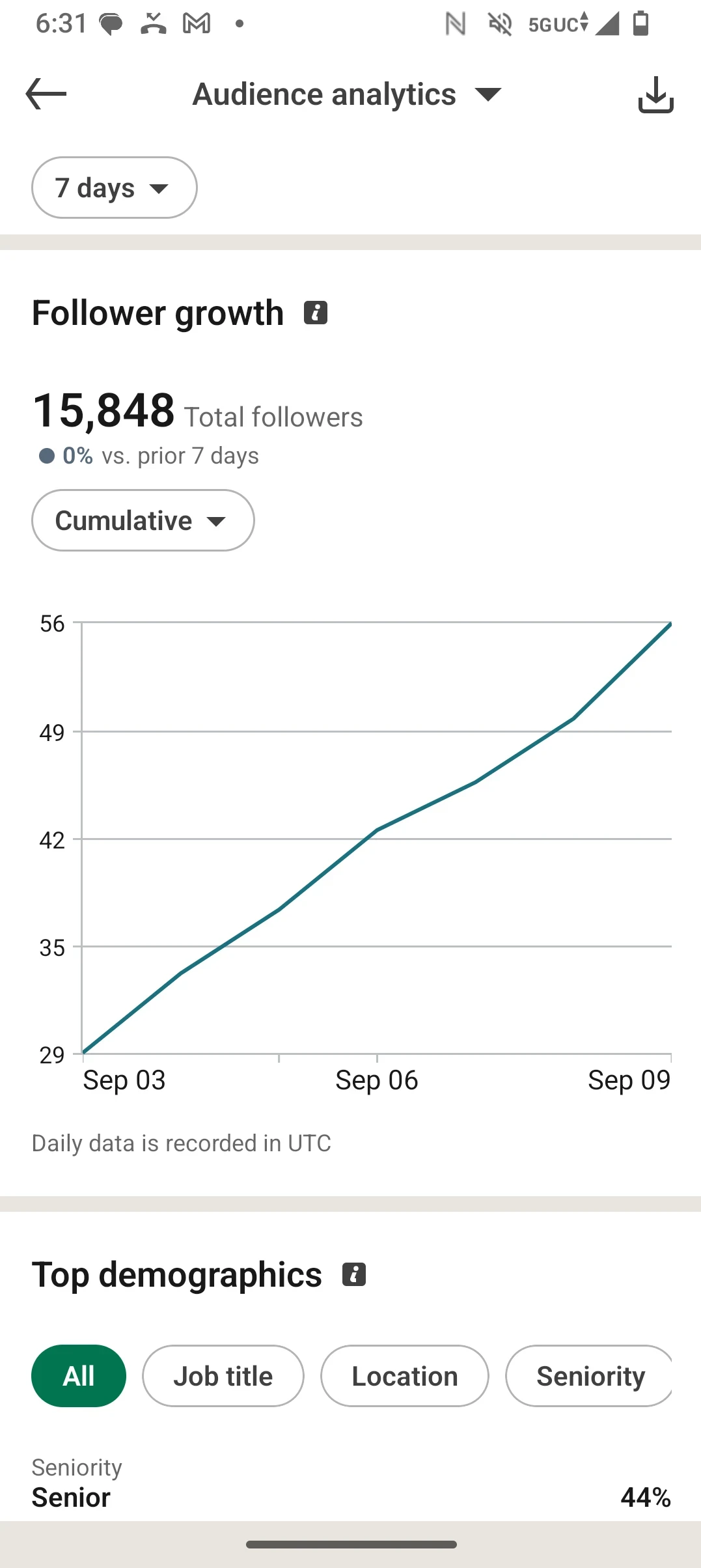
Mixing content types keeps my feed interesting and helps me reach different learning styles. On LinkedIn, showing up in someone’s news feed multiple ways helps keep my business top of mind. In addition, regularly checking analytics can reveal what content performs best, allowing me to adjust my content strategy and keep things fresh. For instance, you might notice that posts with images get more engagement than plain text updates, or that longer how-tos spark more in-depth conversations. Paying attention to these data points gives me the chance to continually tune my approach for better results.
Building My Network with Intention
Ready to put this into action?
Start your free journey today — no credit card required.
LinkedIn connections are most valuable when they are meaningful. Instead of sending dozens of invitations, I narrow in on people within my field or industry. Here’s my approach:
- I only connect with people who share similar interests, work in my target industries, or could benefit from a real partnership.
- When I reach out, I include a short message explaining why I’m connecting, such as referencing a recent post of theirs, a mutual interest, or a shared event.
- I make sure to follow up with new connections by commenting on their posts or sending a thank you message. Real conversations build stronger business networks than a growing list of names.
As my LinkedIn network grows, I get more referrals, invitations to team up, and even press requests. Staying active and involved pays off over time. I also try to attend virtual webinars or industry talks promoted through LinkedIn, since these often lead to productive new relationships that wouldn’t happen through a simple connection request. Regular participation in LinkedIn groups has introduced me to niche discussions and new business opportunities as well.
Positioning My Business with Thought Leadership
Standing out on LinkedIn means being seen as a trusted authority. I aim to publish my own research, share firsthand stories, or offer commentary on changes in my sector. Ways I work on this include:
- Posting unique data, results, or lessons gained directly from my business experience.
- Commenting on hot-button topics or sharing my predictions for future industry changes.
- Highlighting community involvement, charity programs, or notable successes from my team. This shows a commitment to the broader field, not just making money.
Thought leadership helps new prospects view me as someone worth following and learning from, not just another service provider making noise. I also participate in trending conversations by commenting on posts from industry leaders, which increases my visibility and helps spread the word about my business without outright self-promotion.
Practical Challenges and How I Handle Them
Gaining traction on LinkedIn definitely comes with challenges. Here are a few situations I’ve run into and how I try to handle each:
- Algorithm Changes: LinkedIn updates its algorithm, and sometimes my reach drops. Sticking with genuine engagement, commenting on other posts, replying to messages, or sharing useful comments tends to help me rebound.
- Imposter Syndrome: Being surrounded by so many accomplished professionals can be intimidating. I remind myself that sharing my real experiences, including failures, helps build authentic relationships.
- Time Management: I set aside a few minutes each morning for commenting, posting, and managing my inbox so LinkedIn doesn’t become a time drain.
- Negative Comments: If I receive criticism or abrasive feedback, I respond politely or use it as a learning opportunity. Keeping a level head helps my reputation and keeps conversations constructive.
Algorithm Changes
When posts underperform or the algorithm switches up, I try not to get discouraged. I look for patterns, such as time of posting, post type, or engagement level, and adjust my approach. Sometimes reaching out with thoughtful comments on others’ posts helps my activity cycle back into the feed. I also ask for feedback from trusted connections to see if there are new types of posts or topics that might get more attention, giving me a chance to switch things up without losing my voice.
Imposter Syndrome
Even experienced business owners feel unsure when comparing themselves to others. I focus on being real. Sharing smaller wins or learning moments often gets the most positive responses. People appreciate honesty. It’s helpful to remind myself that everyone starts somewhere, and the value I bring comes from unique experiences only I can share.
Time Management
It’s easy to lose track of time on platforms like LinkedIn. To keep things manageable, I block out a set time each morning and avoid checking back constantly. Using scheduling tools for posts can also help. Dedicating one hour a week to planning my posts in advance frees up daily time and lets me stay present in other parts of my business.
Negative Comments
Not every discussion goes as planned. I try to respond to negativity with kindness or, if it’s not helpful, simply move on. The way I handle criticism says more to my network than the original comment ever will. Occasionally, I’ll privately message someone if I think the conversation is worth continuing in a more productive manner, but if someone is only negative, I do not let it stop me from contributing to the community.
Growing a respected LinkedIn presence doesn’t happen overnight, but sticking with small, regular actions pays off. The right profile, sharing value, thoughtful networking, and showing real expertise all work together to distinguish my business from the crowd.
Frequently Asked Questions About LinkedIn for Business
Here are a few questions I hear regularly from business owners looking to make the most of LinkedIn:
Question: Should I use my personal profile or create a company page?
Answer: Both have their strengths. My personal profile allows me to build personal connections and showcase my expertise, while a company page works for branding and sharing official updates. I usually focus on my personal profile, especially when starting out, and use a company page for larger campaigns or company wide news.
Question: How often should I post?
Answer: I aim for two or three times a week with a mix of post types. Consistency is more important than frequency. High-value posts do better than quick updates for the sake of filling space. Sometimes, I supplement my main posts with helpful comments on others’ content, which can increase my exposure and show that I am actively contributing to the conversation.
Question: How can I grow my LinkedIn business network?
Answer: I focus on adding people in my field, sending custom messages, joining relevant LinkedIn groups, and commenting on others’ content. This builds real relationships, not just numbers. Additionally, participating in live webinars or Q&A sessions organized through LinkedIn groups can help me meet new contacts I might not reach otherwise.
Question: How do I measure success?
Answer: For me, success is more about the quality of conversations, referrals, and opportunities than just views or likes. Tracking engagement and following up on leads is always useful. I also keep an eye on how many meaningful conversations I start each month, since those often turn into partnerships or collaborations down the line. The number of inquiries I receive from genuine prospects is a sign that my approach is working.
Tools and Resources I Use to Master LinkedIn
There are plenty of tools that help me manage and improve my LinkedIn activity:
- Scheduling Tools: Hootsuite and Buffer let me schedule posts, freeing up my time.
- Analytics Tools: LinkedIn’s builtin analytics and third party apps help me figure out what’s working.
- Resource Guides: LinkedIn’s own guides, plus blogs like HubSpot’s and Sprout Social’s, offer up-to-date ideas and how-to's.
- Training: LinkedIn Learning has ondemand videos that help me improve everything from profile writing to advanced content tactics.
- Graphic Tools: To keep my images and documents professional and eye-catching, I put Canva and Adobe Express to work, since visuals matter in making a fast impression.
Combining my own experiences with these tools keeps my growth on track and my business ahead in a professional space. If you’re looking to set up your LinkedIn strategy, it helps to make use of at least one analytics tool and one scheduling tool, so you don’t have to do it all by hand and can focus on high-impact activities. Plus, joining a community forum or mastermind group specifically for LinkedIn users can provide support, feedback, and a steady stream of new ideas.
LinkedIn serves those who focus on giving value, building relationships, and sharing practical business insights. Standing out requires more than just online noise; it takes a clear voice, regular activity, and a keen understanding of what helps your audience most. I find that staying involved and sharing what I know always leads to new connections and open doors for my business. Investing time on LinkedIn becomes a long-term asset for visibility, authority, and steady opportunity, making this social network a smart play for any business intent on growing in their field.
Share this insight
This conversation is happening inside the community.
Join free to continue it.The Internet Changed. Now It Is Time to Build Differently.
If this article resonated, the next step is learning how to apply it. Inside Wealthy Affiliate, we break this down into practical steps you can use to build a real online business.
No credit card. Instant access.